

Neezh
- General Articles
- May 28, 2026
- 87 views
Business Productivity Practices for Sustainable Results
Achieving consistent, long-term success in today’s dynamic business environment demands more than just sporadic bursts of effort; it requires a systematic approach to productivity. Sustainable results stem from ingrained practices that optimize operations, empower people, and foster continuous improvement, ensuring that growth is not only achieved but also maintained over time. These practices build resilience, drive innovation, and ultimately contribute to a more robust and profitable enterprise.
Overview
- Strategic goal alignment provides a clear direction for all business activities, preventing wasted effort.
- Integrating appropriate technology streamlines tasks and automates repetitive processes, freeing up human capital.
- A strong company culture that promotes accountability and active participation is vital for collective output.
- Optimizing workflows by identifying and removing operational bottlenecks enhances efficiency across departments.
- Investing in employee well-being and ongoing skill development boosts morale, retention, and overall capability.
- Utilizing data analytics offers valuable insights for informed decision-making and performance adjustments.
- Regularly reviewing processes and being prepared to adapt to new information or market changes is key to enduring relevance.
Strategic Planning and Goal Alignment for Focus
For productivity to be sustainable, it must be directed toward common objectives. Businesses often struggle when individual efforts are misaligned or when there’s a lack of clarity regarding overarching goals. Effective strategic planning involves setting clear, measurable, achievable, relevant, and time-bound (SMART) goals that cascade from the top level down to individual team members. This ensures every action contributes to the broader vision. Regular communication of these goals, coupled with transparent progress tracking, helps maintain focus and prevents resources from being diverted to non-essential tasks. When everyone understands the ‘why’ behind their work, engagement naturally increases, leading to more purposeful and impactful output.
Leveraging Technology for Operational Efficiency
Technology serves as a powerful accelerator for productivity, but its implementation must be strategic. Simply adopting the latest tools without a clear purpose can introduce more complexity than benefit. The key is to identify specific pain points and processes that can be improved through automation, better data management, or enhanced communication platforms. This includes everything from CRM systems and project management software to accounting automation and collaborative workspaces. Such tools reduce manual errors, speed up routine tasks, and free up employees to focus on higher-value activities that require human intellect and creativity. For instance, platforms that centralize document management or automate reporting can significantly cut down on administrative burdens, allowing teams to dedicate more time to innovation. Companies like powerboss.pt often provide solutions that help businesses manage their operational aspects, leading to improved resource allocation and reduced downtime.
Cultivating a Culture of Accountability and Engagement
Sustainable productivity is not just about tools or processes; it’s deeply rooted in people and the environment they work in. A culture that values accountability means individuals and teams take ownership of their tasks and outcomes. This is fostered through clear expectations, constructive feedback, and recognition of achievements. Engagement goes hand-in-hand with accountability; employees who feel valued, heard, and connected to the company’s mission are more likely to be proactive, innovative, and committed

- General Articles
- May 2, 2026
- 68 views
Business Growth Opportunities Through Market Insight
In today’s dynamic business world, sustainable growth hinges on more than just a great product or service. It requires a deep, ongoing understanding of the market, customers, and competitors. Market insight, derived from careful data collection and analysis, provides the clarity needed to identify new opportunities, mitigate risks, and make informed strategic decisions. Businesses that prioritize this approach are better positioned to adapt, innovate, and expand their reach effectively.
Overview
- Market insight is crucial for identifying viable growth avenues and mitigating potential business risks.
- Understanding customer needs and preferences through data allows for targeted product or service development.
- Analyzing competitor strategies helps businesses differentiate themselves and find unique market positions.
- Market intelligence aids in optimizing pricing structures and refining marketing campaign effectiveness.
- Operational efficiencies and strategic partnerships can be identified by understanding broader market dynamics.
- Continuous monitoring of trends, even in niche markets like collectibles, is essential for sustained relevance.
- Data-driven understanding of customer behavior fosters stronger relationships and builds loyalty over time.
Identifying Untapped Customer Needs and Preferences for Business Growth A core benefit of market insight is its ability to reveal what customers truly want, often before they even articulate it themselves. By studying purchasing patterns, feedback, online behaviors, and demographic data, businesses can pinpoint specific pain points or desires that existing solutions do not fully address. This deep dive into customer psychology and behavior helps in shaping new product features, developing entirely new offerings, or refining current services to better align with user expectations. For instance, if data shows a segment of customers values sustainability, a business might adjust its supply chain or product materials to meet that preference, thereby attracting a new, loyal customer base. This proactive approach ensures products remain relevant and highly desirable.
Strengthening Product and Service Development Through Market Insight Market insight directly fuels innovation by providing a clear roadmap for product and service development. Instead of relying on assumptions, businesses can use data to validate ideas, test concepts, and iterate designs based on real-world feedback. This includes understanding feature priorities, acceptable price points, and usability preferences. Before launching a new item, companies can conduct market research to assess its potential reception, identify necessary adjustments, and forecast demand. This process significantly reduces the risk of product failure and ensures that resources are allocated to initiatives with the highest potential for success. Businesses, including specialized retailers like funkopop.dk, utilize this type of insight to stock items that resonate with collector communities, understanding specific trends in demand for rare or popular figures.
Optimizing Market Entry and Expansion Strategies with Market Insight Expanding into new markets or launching new ventures requires a thorough understanding of the local landscape. Market insight provides critical information on market size, regulatory environments, cultural nuances, and competitive intensity in a new region. It helps businesses assess the viability of entry, identify the most promising segments, and tailor their approach to suit local tastes and preferences. For example, a global food chain would use market insight to adjust its menu items

- General Articles
- March 16, 2026
- 72 views
How Can Businesses Strengthen Their Online Presence
The digital landscape is a powerful arena where businesses compete for attention and customers. A robust online presence is no longer just an advantage; it’s a fundamental requirement for growth and survival in almost every industry. Businesses that effectively establish and maintain their digital footprint can reach wider audiences, build credibility, foster customer loyalty, and ultimately drive revenue. Understanding the core strategies to build and maintain this presence is crucial for long-term success.
Overview
- A well-designed, mobile-responsive website forms the bedrock of an online strategy.
- Search Engine Optimization (SEO) is vital for visibility, ensuring your business appears high in search results.
- Active participation and engagement on relevant social media platforms connect businesses directly with their audience.
- Regular creation and sharing of high-quality, relevant content positions a business as an authority.
- Proactively managing and encouraging online reviews builds trust and reputation.
- Strategic email marketing campaigns cultivate leads and nurture existing customer relationships.
- Targeted paid advertising expands reach and generates immediate traffic.
- Continuous analysis of performance data allows for ongoing adjustments and improvements.
Building a Strong Foundational Website
The first step for any business aiming to strengthen its online presence is to have a functional, user-friendly website. This site acts as your digital storefront and information hub. It must be mobile-responsive, meaning it adapts seamlessly to various screen sizes, from desktops to smartphones, given that a significant portion of internet traffic comes from mobile devices. Clear navigation, fast loading times, and engaging visuals are paramount. The site should accurately reflect your brand identity and offer an intuitive experience for visitors to find information, contact you, or make purchases. Security, including an SSL certificate, is also non-negotiable to protect user data and build trust.
Optimizing for Search Engines (SEO)
Appearing high in search engine results pages (SERPs) is critical for organic visibility. Search Engine Optimization (SEO) involves a series of tactics to make your website more appealing to search engines like Google. This includes thorough keyword research to identify terms your target audience uses, optimizing website content with these keywords, and ensuring your site has a solid technical foundation (e.g., proper sitemaps, fast speeds). Local SEO is particularly important for businesses serving specific geographic areas, involving optimizing Google My Business profiles and securing local citations. Building high-quality backlinks from reputable websites also signals authority to search engines. These efforts contribute to your site’s E-E-A-T (Experience, Expertise, Authoritativeness, Trustworthiness) signals, which Google values heavily.
Actively Using Social Media Platforms
Social media offers a direct channel to engage with current and potential customers. Businesses should identify which platforms their target audience uses most frequently and establish an active presence there. This isn’t just about posting; it’s about engagement – responding to comments, participating in discussions, and sharing content that resonates. Visual content, such as images and videos, often performs well. Consistency in posting and maintaining a brand voice helps build community and loyalty. Social media also provides valuable insights into customer preferences and market trends, allowing businesses to tailor their offerings and messaging.
Creating Valuable

- Business Product , Business Products & Services
- October 30, 2025
- 381 views
Small Business Tools for Entrepreneurs Growth
Starting a small business is an exciting venture, but it also presents a unique set of challenges. From managing finances to marketing your product or service, entrepreneurs often juggle multiple roles and responsibilities. Fortunately, a plethora of small business tools are available to streamline operations, boost productivity, and drive growth. Finding the right tools can feel overwhelming, so we’ve compiled a list of some of the most impactful resources to help you thrive.

Key Takeaways:
- Leveraging the right small business tools can significantly improve efficiency and productivity.
- There are affordable and free options available to suit various budget constraints.
- Focusing on tools that address your specific business needs will yield the best results.
- Proper implementation and training are crucial for maximizing the benefits of any tool.
Why Investing in the Right Small Business Tools Matters
Investing in the appropriate small business tools is no longer a luxury; it’s a necessity for survival and growth in today’s competitive market. These tools automate tasks, improve communication, and provide valuable insights that help us make informed decisions. Think about the time saved by using project management software instead of endless email chains, or the increased sales generated by a well-executed email marketing campaign. The right tools empower you to work smarter, not harder, freeing up valuable time and resources to focus on strategic initiatives. Furthermore, many small business tools are cloud-based, offering accessibility from anywhere, anytime, and promoting collaboration among team members, regardless of their location. A customer relationship management (CRM) system, for example, allows you to track customer interactions, manage leads, and personalize marketing efforts, leading to improved customer satisfaction and loyalty. Ignoring the power of these tools means potentially lagging behind competitors who are already leveraging technology to gain an edge. Choosing wisely and integrating these small business tools into your workflows is an investment in the future success of your business.
Essential Marketing Small Business Tools for Growth
Marketing is the lifeblood of any small business, and having the right tools is crucial for reaching your target audience and driving sales. Email marketing platforms like Mailchimp or Sendinblue allow you to build email lists, create engaging newsletters, and automate email campaigns. Social media management tools like Buffer or Hootsuite help you schedule posts, track engagement, and manage multiple social media accounts from a single dashboard. Search Engine Optimization (SEO) tools like Semrush or Ahrefs provide valuable insights into keyword research, competitor analysis, and website ranking, helping you improve your online visibility. Content creation tools like Canva or Adobe Spark make it easy to create professional-looking graphics and videos, even without design experience. Remember that effective marketing is about more than just promoting your product or service; it’s about building relationships with your customers and providing valuable content that resonates with them. These small business tools empower you to do just that, allowing you to connect with your audience, build brand awareness, and ultimately drive growth. Don’t underestimate the power of analytics either; track your marketing efforts to see what’s working

- Business Service
- October 25, 2025
- 496 views
Virtual Assistant Services for Global Business
Are you a global business owner feeling overwhelmed by administrative tasks, struggling to keep up with international market demands, or simply wishing you had more time to focus on strategic growth? You’re not alone. Many businesses face these challenges when operating on a global scale. That’s where Virtual Assistant Services come in, offering a flexible and cost-effective solution to lighten your workload and boost your efficiency.

Key Takeaways:
- Virtual Assistant Services can significantly reduce operational costs and free up valuable time for strategic initiatives.
- A virtual assistant can handle a wide range of tasks, from administrative support and customer service to specialized global market research.
- Hiring a virtual assistant offers flexibility and scalability, allowing you to adjust your support levels based on your business needs.
- By delegating tasks to a virtual assistant, you can improve productivity, focus on core competencies, and drive business growth.
Understanding Your Needs for Virtual Assistant Services
Before diving into the benefits of Virtual Assistant Services, it’s crucial to assess your specific needs. What tasks are consuming most of your time? Where are the bottlenecks in your operations? What skills or expertise are you currently lacking? Identifying these pain points will help you determine the type of virtual assistant you need and the services they should provide. For example, if you’re struggling to manage your social media presence across different time zones, a virtual assistant with social media management experience could be a game-changer. Or, if you need assistance with translating documents or communicating with international clients, a multilingual virtual assistant would be a valuable asset. Thinking critically about where us needing support is the first step.
Benefits of Outsourcing Virtual Assistant Services for Global Expansion
Expanding your business globally comes with unique challenges, including navigating different cultures, languages, and regulations. Virtual Assistant Services can provide invaluable support in these areas, helping you overcome obstacles and seize opportunities. Imagine having a dedicated assistant who can research new markets, translate documents, schedule meetings across different time zones, and provide customer support in multiple languages. This level of support can significantly streamline your operations and improve your chances of success in the global marketplace. Furthermore, by outsourcing these tasks to a virtual assistant, you can avoid the costs associated with hiring full-time employees, such as salaries, benefits, and office space.
Finding the Right Virtual Assistant Services Provider
Choosing the right Virtual Assistant Services provider is essential to ensuring a successful partnership. Look for a provider that has experience working with global businesses and a proven track record of delivering high-quality services. Consider factors such as the provider’s pricing structure, communication methods, and security protocols. It’s also important to find a provider that offers a wide range of services to meet your evolving needs. Read reviews and testimonials from other clients to get a sense of the provider’s reputation and reliability. And don’t hesitate to ask for references or request a trial period before committing to a long-term contract. Working with a trusted provider will give us more

- Business & Economic
- June 3, 2025
- 1473 views
Unlock Explosive Business Growth Proven Strategies
Understanding Your Target Audience: The Foundation of Growth
Before you even think about marketing campaigns or new product launches, you need a deep understanding of your ideal customer. Who are they? What are their needs, pain points, and aspirations? What motivates them to buy? Thorough market research, including surveys, focus groups, and analyzing existing customer data, is crucial. This knowledge forms the bedrock of all effective growth strategies. Knowing your audience allows you to tailor your message, choose the right channels, and ultimately, connect with them on a meaningful level. Without this understanding, your efforts will likely be scattered and ineffective.
Leveraging Data Analytics for Informed Decisions
In today’s digital age, data is king. Track key metrics like website traffic, conversion rates, customer acquisition cost, and customer lifetime value. Analyze this data to identify trends, understand what’s working and what’s not, and make data-driven decisions. Tools like Google Analytics provide invaluable insights, allowing you to refine your strategies and optimize your performance. Don’t just collect data; actively analyze it to gain a competitive edge and make informed decisions about resource allocation.

Mastering the Art of Digital Marketing
A strong online presence is no longer optional; it’s essential. Develop a comprehensive digital marketing strategy encompassing SEO (search engine optimization), SEM (search engine marketing), social media marketing, email marketing, and content marketing. Each of these channels plays a unique role in reaching your target audience. SEO ensures your website ranks highly in search engine results, driving organic traffic. SEM uses paid advertising to reach a wider audience quickly. Social media builds brand awareness and fosters engagement. Email marketing nurtures leads and keeps customers informed. Content marketing provides valuable information and establishes your expertise.
The Power of Strategic Partnerships
Collaborating with complementary businesses can unlock significant growth opportunities. Strategic partnerships can expand your reach, introduce you to new audiences, and enhance your brand credibility. Identify businesses that share your target market but offer different products or services. Joint ventures, cross-promotions, and co-marketing initiatives can be incredibly effective ways to achieve mutual growth. The key is to find partners who align with your values and business goals.
Building a Strong Brand and Cultivating Customer Loyalty
Your brand is more than just a logo; it’s the overall perception of your company. Invest in building a strong brand identity that resonates with your target audience. Consistency in messaging, visual elements, and customer experience is vital. Focus on providing exceptional customer service, building strong relationships, and exceeding expectations. Loyal customers are invaluable; they’re more likely to make repeat purchases, provide positive word-of-mouth referrals, and become brand advocates.
Embracing Innovation and Adaptability
The business landscape is constantly evolving, so staying ahead of the curve is crucial for long-term growth. Embrace innovation by exploring new technologies, products, and services. Be willing to adapt your strategies as needed, based on market trends and customer feedback. Continuous improvement is key. Monitor your competitors, stay informed about industry best practices, and be prepared to adjust your approach as circumstances change. Flexibility and

- Business & Economic
- April 29, 2025
- 656 views
Inside Scoop Our Company’s Amazing Growth
A Humble Beginning: From Garage Startup to Global Presence
It all started in a small garage, much like countless other tech success stories. A few passionate individuals, driven by a shared vision and fueled by copious amounts of coffee, laid the foundation for what would become a global enterprise. Those early days were characterized by long hours, lean budgets, and an unwavering belief in our product. We focused on building a strong foundation, meticulously crafting our core offering, and relentlessly pursuing excellence in every aspect of our work. This dedication, coupled with a bit of luck and a lot of hard work, paved the way for our future growth.
Innovation as Our Driving Force: Constantly Evolving to Meet Market Demands
From the outset, we understood that staying stagnant was not an option. The tech world is a rapidly evolving landscape, and to thrive, we needed to be equally dynamic. We committed to continuous innovation, consistently investing in research and development to enhance our product and explore new possibilities. This commitment to pushing boundaries has allowed us to adapt to changing market demands, anticipate future trends, and consistently deliver cutting-edge solutions to our customers. Our willingness to embrace new technologies and approaches has been key to our success.

Building a Stellar Team: The Power of Collaboration and Expertise
Our success isn’t solely attributed to a brilliant product; it’s also a testament to the incredible team we’ve assembled. We’ve carefully cultivated a diverse and talented workforce, bringing together individuals with diverse backgrounds, skills, and perspectives. This collaborative environment fosters creativity, innovation, and a shared commitment to excellence. We empower our employees, encouraging open communication, and providing opportunities for professional growth. We believe that investing in our people is the most valuable investment we can make.
Strategic Partnerships: Expanding Our Reach and Impact
Understanding the power of collaboration extends beyond our internal team. We’ve strategically forged partnerships with key players in our industry, creating synergistic relationships that have significantly broadened our reach and impact. These partnerships have not only opened up new markets but have also provided invaluable access to expertise, resources, and technology that have propelled our growth. It’s a testament to our belief in the power of collective effort.
Customer-Centric Approach: Putting Our Clients First
At the heart of our success lies a deep-seated commitment to our customers. We understand that their satisfaction is paramount. We actively seek their feedback, constantly striving to improve our products and services to better meet their needs. This customer-centric approach has fostered strong, long-lasting relationships with clients who trust us to deliver high-quality solutions. Building these relationships has been fundamental to our sustainable growth.
Embracing Challenges: Learning from Setbacks and Celebrating Victories
Our journey hasn’t been without its challenges. We’ve encountered setbacks, faced competition, and navigated unexpected hurdles. However, we’ve learned from each experience, viewing challenges as opportunities for growth and improvement. We’ve celebrated our victories, acknowledging the hard work and dedication that went into achieving them. This balanced approach – embracing both challenges and

- Marketing Definition
- May 14, 2024
- 457 views
Launching Your Home Business Essential Tips for Success
Starting a business from the comfort of your home can be an exciting and rewarding venture. Here are some essential tips to help you navigate the journey of launching and growing a successful home-based business.
Define Your Business Idea
The first step in starting a home business is to define your business idea. Consider your passions, skills, and interests. What products or services can you offer that solve a problem or fulfill a need in the market? Take the time to brainstorm and research different business ideas to find the one that aligns best with your goals and vision.
Conduct Market Research
Before diving into your home business venture, it’s crucial to conduct thorough market research. Understand your target market, their needs, preferences, and purchasing behaviors. Analyze your competitors to identify gaps in the market and opportunities for differentiation. This research will help you make informed decisions and create a strong business strategy.
Create a Detailed Business Plan
A well-crafted business plan is essential for the success of your home business. Outline your business goals, target market, marketing strategies, financial projections, and operational plans. Your business plan will serve as a roadmap, guiding your decisions and helping you stay on track as you grow your business.
Set Up Your Home Office
Creating a dedicated workspace is essential for productivity and focus when running a home business. Choose a quiet and organized area in your home where you can work without distractions. Invest in ergonomic furniture, proper lighting, and essential office supplies to create a conducive work environment.
Establish a Professional Online Presence
In today’s digital age, having a professional online presence is crucial for the success of your home business. Create a professional website that showcases your products or services, provides information about your business, and makes it easy for customers to contact you. Utilize social media platforms to engage with your target audience and build brand awareness.
Develop a Marketing Strategy
A robust marketing strategy is essential for attracting customers to your home business. Identify your target market and create a plan to reach them through various channels such as social media, email marketing, content marketing, and networking events. Invest in branding, advertising, and promotions to create visibility and attract customers.
Leverage Networking Opportunities
Networking is a valuable tool for home business owners to connect with potential customers, partners, and mentors. Attend industry events, join online forums or communities, and participate in local business groups. Building relationships with other professionals can open doors to collaborations, partnerships, and business opportunities.
Manage Your Finances Wisely
Effective financial management is key to the success and sustainability of your home business. Keep track of your income, expenses, and profits using accounting software or spreadsheets. Set a budget for your business expenses and stick to it. Save for taxes, create an emergency fund, and seek professional advice if needed.
Stay Organized and Efficient
As a home business owner, it’s essential to stay organized and manage your time effectively. Create a schedule for your work

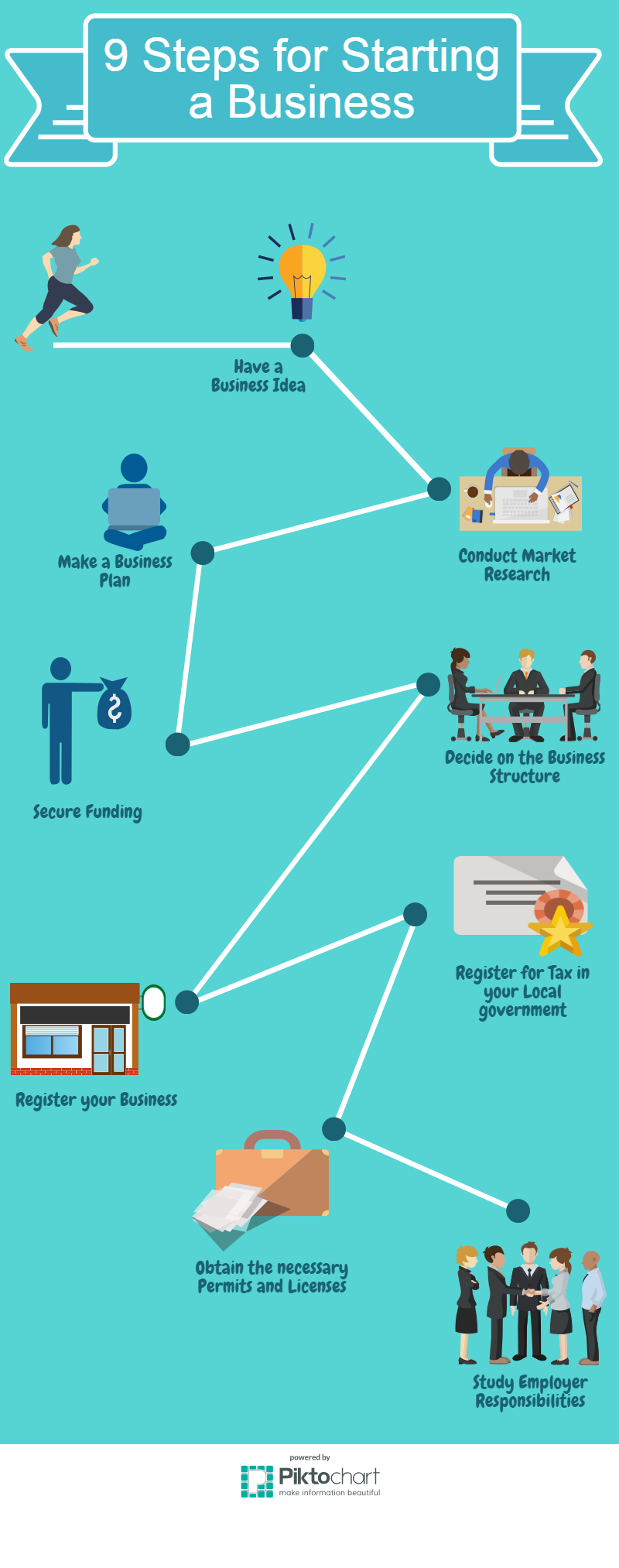
Essential Tips for Starting Your Own Small Business
Tips for Starting Your Own Small Business: Your Roadmap to Entrepreneurial Success
So, you’ve got a vision, a passion, and a burning desire to break free from the traditional 9-to-5 grind. Starting your own small business is an exciting venture, but it can also be a daunting one. Fear not, aspiring entrepreneur! Here are some invaluable tips to guide you on your path to building a successful small business empire.
Clarify Your Business Idea
The first step to starting your own small business is to have a clear and well-defined business idea. What products or services will you offer? Who is your target market? How will your business solve a problem or fulfill a need? Take the time to brainstorm, research, and refine your business concept until it’s a crystal-clear vision.
Do Your Market Research
Before diving headfirst into your business venture, it’s crucial to understand the market you’re entering. Who are your competitors? What are the current market trends? Is there a demand for your products or services? Conduct thorough market research to gather valuable insights that will inform your business strategy.
Develop a Solid Business Plan
A well-thought-out business plan is the roadmap to your entrepreneurial journey. Outline your business goals, target market, marketing strategy, financial projections, and operational plan. Your business plan will not only serve as a guide for you but also as a tool to attract potential investors or lenders.
Secure Adequate Funding
Starting a small business requires capital, whether it’s for product development, marketing, or operational expenses. Explore different funding options such as personal savings, loans, grants, or crowdfunding. Ensure you have enough financial resources to cover your startup costs and sustain your business until it becomes profitable.
Build Your Brand Identity
Your brand is what sets you apart from the competition and leaves a lasting impression on customers. Develop a strong brand identity that reflects your values, personality, and the unique value proposition of your business. From your logo and color palette to your brand voice and messaging, consistency is key.
Create a Strong Online Presence
In today’s digital age, having a strong online presence is essential for small businesses. Build a professional website that showcases your products or services, provides valuable information to customers, and makes it easy for them to contact you. Utilize social media platforms to engage with your target audience, share updates, and build a community around your brand.
Invest in Marketing and Promotion
No matter how great your product or service is, it won’t sell itself. Invest in marketing and promotion to reach your target market and attract customers. Explore different marketing channels such as social media advertising, email campaigns, SEO, and partnerships with influencers or local businesses.
Focus on Customer Satisfaction
Happy customers are the lifeblood of any successful business. Focus on providing exceptional customer service and building strong relationships with your clients. Listen to their feedback, address their concerns promptly, and go the extra mile to exceed their expectations. A satisfied customer is likely to become
- Marketing Strategy
- April 19, 2024
- 607 views
Proven Strategies for Starting Your Dream Business
Tips for Starting a Company: Your Roadmap to Entrepreneurial Success
So, you’ve got this burning idea, this spark of innovation that’s been keeping you up at night. You’re ready to take the plunge and start your own company. Exciting times ahead! But before you dive headfirst into the entrepreneurial waters, let’s map out your journey with some essential tips to set you on the path to success.
Defining Your Vision and Mission
Every successful company starts with a clear vision and a strong mission. What problem are you solving? What sets your company apart from the competition? Define your purpose, your values, and the impact you want to make in the world. This will not only guide your decisions but also attract like-minded customers and employees.
Research, Research, Research
Knowledge is power, especially in the world of business. Research your industry, your target market, and your competitors. Understand the trends, the gaps in the market, and the needs of your potential customers. This groundwork will inform your business strategy and help you make informed decisions every step of the way.
Crafting Your Business Plan
Consider your business plan as the roadmap for your company’s journey. It outlines your goals, your strategies for achieving them, and the financial projections to make it all happen. From marketing plans to operational details, a well-crafted business plan is your blueprint for success.
Building a Solid Team
No company is an island, and neither should you be. Surround yourself with a team of talented individuals who share your passion and vision. Whether it’s co-founders, employees, advisors, or mentors, each person brings unique skills and perspectives that can propel your company forward.
Legal and Regulatory Considerations
Ah, the less glamorous but oh-so-important side of starting a company – the legal stuff. Register your business, obtain necessary licenses and permits, and ensure compliance with local, state, and federal regulations. Consulting with legal professionals can save you headaches down the road.
Creating a Strong Brand Identity
Your brand is more than just a logo or a name – it’s the essence of your company. Develop a brand identity that resonates with your target audience. From your messaging to your visual elements, consistency is key. A strong brand creates trust, loyalty, and a lasting impression.
Marketing and Sales Strategies
Now comes the fun part – getting your company out there and attracting customers. Develop a comprehensive marketing strategy that encompasses digital marketing, social media, content creation, and more. Don’t forget about sales – identify your sales channels and tactics to drive revenue.
Financial Management and Budgeting
Money makes the world go round, especially in the world of business. Set up a solid financial management system from the get-go. Create a budget, track your expenses, manage cash flow, and explore funding options such as loans, investors, or crowdfunding. Financial stability is the backbone of a successful company.
Embracing Innovation and Adaptability
The business landscape is constantly evolving, so it’s crucial to stay nimble and adaptable. Embrace innovation in your products,


