

 Laura
The Ultimate Guide to Must-Visit Sightseeing Places Around the World
Sightseeing is an integral part of travel, allowing us to connect with new cultures, witness breathtaking landscapes, and create unforgettable memories. With countless locations to choose from, Sightseeing places can be overwhelming to plan your next adventure. This guide highlights some of the most captivating sightseeing destinations across the globe, providing you with insights into their history, significance, and what makes them worth visiting.
1. The Eiffel Tower, Paris, France
One of the most iconic landmarks in the world, the Eiffel Tower is synonymous with romance and elegance. Designed by Gustave Eiffel, this iron lattice tower stands at 1,083 feet tall and attracts millions of visitors each year.
History and Significance
Constructed for the 1889 Exposition Universelle (World’s Fair) held in Paris, the Eiffel Tower was initially met with mixed reviews. Today, it is a global cultural icon and a symbol of France’s artistic and engineering prowess.
What to Do
Visitors can take an elevator ride to the top for panoramic views of the Paris skyline. Dining at one of its restaurants or enjoying a picnic in the nearby Champ de Mars park enhances the experience. At night, the tower is illuminated, creating a magical ambiance.
2. The Great Wall of China
Stretching over 13,000 miles, the Great Wall of China is a remarkable feat of ancient engineering. This UNESCO World Heritage site showcases the historical significance of China’s dynasties.
History and Significance
Construction of the wall began as early as the 7th century BC and continued until the 16th century. Initially built for defense against invasions, it also served as a means of trade and communication.
What to Do
Visitors can access various sections of the wall, with Badaling and Mutianyu being the most popular. Hiking along the wall provides not only a glimpse into its history but also stunning views of the surrounding landscape.
3. Machu Picchu, Peru
Nestled high in the Andes Mountains, Machu Picchu is an ancient Incan city that dates back to the 15th century. Often referred to as the “Lost City of the Incas,” it is one of the most significant archaeological sites in South America.
History and Significance
Machu Picchu was built during the reign of Inca Emperor Pachacuti and later abandoned during the Spanish Conquest. Rediscovered in 1911 by Hiram Bingham, it has since become a major tourist attraction.
What to Do
Visitors can hike the Inca Trail for a multi-day trek to the site or take a train from Cusco. Guided tours provide insights into the history and architecture, while the breathtaking views of the surrounding mountains make for an unforgettable experience.
4. The Colosseum, Rome, Italy
The Colosseum is an iconic symbol of Ancient Rome and one of the best-preserved monuments from that era. This amphitheater once hosted gladiatorial contests and public spectacles.
History and Significance
Completed in AD 80, the Colosseum could hold up to 80,000 spectators. It represents the ingenuity of Roman engineering and remains a testament to the cultural practices of ancient civilizations.
What to Do
Guided …

 Neezh
Tesla Supplier Portal Streamlining Procurement Processes
Streamlining Procurement Processes with Tesla’s Supplier Portal
In today’s fast-paced business environment, efficiency is paramount. From manufacturing to distribution, every aspect of operations must be optimized for maximum productivity and cost-effectiveness. For companies like Tesla, whose success hinges on innovation and agility, streamlining procurement processes is crucial. Enter Tesla’s Supplier Portal – a game-changing solution designed to revolutionize the way suppliers interact with the company.
Empowering Suppliers with Seamless Collaboration
One of the standout features of Tesla’s Supplier Portal is its ability to facilitate seamless collaboration between the company and its suppliers. Through the portal, suppliers can access real-time information about inventory levels, production schedules, and quality requirements, enabling them to align their operations with Tesla’s needs more effectively. This level of transparency fosters trust and strengthens partnerships, ultimately driving better outcomes for both parties.
Maximizing Supply Chain Performance through Enhanced Visibility
Visibility is key to optimizing supply chain performance, and Tesla’s Supplier Portal delivers in spades. By providing suppliers with access to comprehensive data and analytics, the portal empowers them to identify potential bottlenecks and inefficiencies proactively. Armed with this information, suppliers can make informed decisions to streamline their processes and ensure timely delivery of goods and services, thus enhancing the overall efficiency of Tesla’s supply chain.
Driving Efficiency with Effortless Procurement
Procurement can be a time-consuming and complex process, but Tesla’s Supplier Portal is changing the game. With its intuitive interface and seamless integration with Tesla’s ERP system, the portal makes procurement effortless for both the company and its suppliers. From submitting purchase orders to tracking shipments, every step of the procurement process is streamlined, saving time and eliminating unnecessary paperwork. This efficiency not only reduces costs but also improves the overall agility of Tesla’s supply chain.
Enhancing Supplier Experience through Innovation
Tesla prides itself on being at the forefront of innovation, and its Supplier Portal is no exception. Built on cutting-edge technology, the portal offers a host of features designed to enhance the supplier experience. From automated alerts to predictive analytics, suppliers have access to tools that empower them to anticipate and respond to Tesla’s needs more effectively. This level of innovation not only improves efficiency but also sets a new standard for supplier collaboration in the industry.
Strengthening Supplier Partnerships for Long-Term Success
At Tesla, partnerships are more than just business transactions – they’re the foundation of success. The Supplier Portal plays a crucial role in strengthening these partnerships by fostering open communication and collaboration. By providing suppliers with a platform to voice concerns, share feedback, and suggest improvements, Tesla demonstrates its commitment to mutual success. This collaborative approach not only builds trust but also drives continuous improvement across the supply chain.
Empowering Procurement Teams with Next-Gen Solutions
Procurement teams are the backbone of any successful supply chain, and Tesla’s Supplier Portal empowers them with next-gen solutions. From automated procurement workflows to real-time inventory management, the portal equips procurement teams with the tools they need to work smarter, not harder. By automating repetitive tasks and streamlining

Tesla Radar Revolution Navigating the Future of Autonomy
Tesla Radar Revolution: Navigating Autonomous Excellence
The Genesis of Radar Mastery
In the evolving landscape of autonomous driving, Tesla has steered toward a technological frontier with its radar capabilities. The saga of Tesla’s radar mastery isn’t just a glimpse into the future; it’s a precision-driven journey that reshapes the narrative of autonomous vehicle advancements.
Unveiling the Symphony of Precision
Tesla’s radar brilliance goes beyond the ordinary—it’s a symphony of precision in motion. With a meticulous blend of hardware and software, Tesla has unveiled a radar technology that doesn’t merely detect obstacles but orchestrates a harmonious dance of data to enhance driving dynamics.
Breaking Limits with Radar Innovation
Tesla’s radar technology isn’t confined by limits; it breaks through them. By pushing the boundaries of traditional autonomy, Tesla has created a radar system that operates beyond the horizon, providing a comprehensive view of the driving environment and enabling more nuanced decision-making for its vehicles.
Radar Odyssey: Mapping Driving Excellence
The journey of Tesla’s radar technology is nothing short of an odyssey—a quest for driving excellence. It’s not merely about detecting objects on the road; it’s a meticulous mapping of the driving landscape, navigating through challenges with a precision that sets new standards in autonomous driving.
Precision Unleashed in Motion
Tesla’s radar mastery is a revelation of precision unleashed. The technology isn’t static; it’s a dynamic force that adapts in real-time, responding to the complexities of the road with unparalleled accuracy. This precision isn’t just a feature; it’s a testament to Tesla’s commitment to redefining the driving experience.
Radar Marvels Explored
The marvels of Tesla’s radar technology extend beyond the surface. By delving into the intricacies of radar data, Tesla has uncovered a realm of possibilities. From identifying objects to predicting their movements, the radar marvels explored in this journey redefine the expectations of what autonomous driving can achieve.
Shaping Tomorrow with Radar Precision
Tesla’s radar revolution isn’t just about the present; it’s a shaping force for tomorrow’s driving landscape. The precision embedded in every radar scan isn’t just a technological feat; it’s a visionary stride toward safer, more efficient, and ultimately autonomous roads.
Autonomy Ascendant: Tesla’s Radar Trailblazing
In the world of autonomy, Tesla’s radar is ascendant. It doesn’t merely follow trends; it blazes its own trail. The radar technology isn’t just a part of the autonomous conversation; it’s a leading force, setting benchmarks and redefining what’s possible in the realm of self-driving vehicles.
Radar Symphony: Advancing Driving Dynamics
Tesla’s radar isn’t just a tool; it’s a symphony of advancing driving dynamics. From enhancing safety features to refining the Autopilot system, the radar technology plays a pivotal role in creating a driving experience that’s not just automated but finely tuned for optimal performance.
Precision Beyond Limits
Tesla’s radar brilliance doesn’t bow to limits; it exceeds them. By embracing a philosophy of precision beyond boundaries, Tesla’s radar technology opens doors to a future where autonomous driving isn’t a compromise but an elevation of the entire driving experience.
In Conclusion
In the symphony of
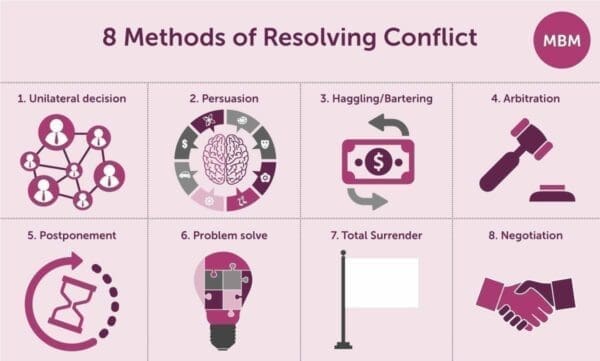
Conflict Resolution Strategies for Peaceful Resolutions
Strategies for Peaceful Resolutions
In the workplace, conflicts are inevitable. Whether they stem from differing opinions, personalities, or priorities, knowing how to handle conflicts effectively is essential for maintaining a harmonious and productive environment.
Understanding the Nature of Conflict
Conflict is a natural part of human interaction and can arise from a variety of sources. It may be rooted in misunderstandings, competing interests, or unresolved issues. By understanding the underlying causes of conflict, you can approach resolution with empathy and clarity.
Creating a Culture of Open Communication
Open communication is the cornerstone of conflict resolution. Encourage team members to voice their concerns openly and honestly, and foster an environment where differing viewpoints are valued and respected. By promoting transparency and dialogue, you lay the groundwork for resolving conflicts constructively.
Active Listening and Empathy
Effective conflict resolution requires active listening and empathy. Take the time to listen to all parties involved, seeking to understand their perspectives and emotions. Empathize with their experiences and validate their feelings, demonstrating that you value their input and are committed to finding a solution that meets everyone’s needs.
Seeking Common Ground
In many cases, conflicts arise from a clash of interests or priorities. Look for areas of common ground or shared goals that can serve as a foundation for resolution. By focusing on shared objectives, you can shift the conversation away from differences and towards collaborative problem-solving.
Exploring Multiple Perspectives
Encourage a diversity of perspectives when approaching conflict resolution. Invite input from all parties involved, including those who may not be directly affected by the conflict but whose insights can provide valuable perspective. By considering a range of viewpoints, you can uncover creative solutions that address underlying issues effectively.
Maintaining Neutrality and Fairness
As a mediator or facilitator of conflict resolution, it’s essential to remain neutral and impartial. Avoid taking sides or playing favorites, and strive to maintain fairness and objectivity throughout the process. By establishing yourself as a neutral party, you create an environment where all parties feel heard and respected.
Using Collaborative Problem-Solving Techniques
Collaborative problem-solving techniques can be highly effective in resolving conflicts. Encourage brainstorming, idea generation, and consensus-building among all parties involved. By involving everyone in the process of finding a solution, you promote ownership and buy-in, increasing the likelihood of successful resolution.
Managing Emotions and Diffusing Tension
Conflicts can often evoke strong emotions, ranging from frustration and anger to sadness and fear. As a mediator, it’s essential to manage emotions effectively and help diffuse tension when necessary. Encourage constructive communication, and intervene if discussions become heated or unproductive.
Implementing Conflict Resolution Strategies
Once a resolution has been reached, it’s important to implement and follow through on agreed-upon solutions. Clearly communicate expectations and timelines, and ensure that all parties are committed to upholding their end of the agreement. Regularly monitor progress and address any issues that arise promptly.
Learning and Growing from Conflict
Conflict, when handled effectively, can be a catalyst for positive change and growth. Encourage reflection and feedback following the

Unlocking AdSense Success: Proven Strategies
Navigating the Path to AdSense Success
Embarking on a journey toward AdSense success requires a strategic approach and a keen understanding of proven strategies. In this article, we’ll explore key insights to help unlock the full potential of your AdSense endeavors.
AdSense Success Strategies: A Comprehensive Guide
For comprehensive insights and actionable strategies, explore AdSense Success Strategies. This guide is a valuable resource that delves into proven techniques to optimize your AdSense performance and maximize your revenue.
Understanding AdSense Fundamentals
Before diving into strategies, it’s crucial to grasp the fundamentals of AdSense. Familiarize yourself with ad types, placement options, and the significance of user experience. A strong foundation ensures you can implement strategies effectively for optimal results.
AdSense Success Strategies: Strategic Ad Placement
Strategic ad placement is a cornerstone of AdSense success. Experiment with various positions on your website to identify high-performing spots. Consider user behavior, focus on above-the-fold areas, and maintain a balance between visibility and user experience.
Crafting Quality Content for Higher Revenue
Content quality directly influences AdSense revenue. Create valuable, engaging, and relevant content that resonates with your audience. Quality content not only attracts more visitors but also encourages higher engagement, leading to increased ad impressions and revenue.
AdSense Success Strategies: Mobile Optimization
With the rise of mobile users, optimizing your site for mobile devices is imperative. Ensure that your website’s design and ad placements are mobile-friendly. Google rewards mobile-optimized sites with better visibility and, consequently, increased AdSense performance.
Utilizing AdSense Ad Styles
Experimenting with different ad styles can significantly impact your success. Test various ad formats, sizes, and styles to find what resonates best with your audience. Tailoring ad styles to match your website’s design enhances user experience and boosts engagement.
AdSense Success Strategies: Analyzing Performance Data
Regularly analyze AdSense performance data to uncover valuable insights. Track metrics such as click-through rates, impressions, and earnings. This data empowers you to identify trends, optimize your strategy, and make informed decisions for ongoing success.
Incorporating Relevant Keywords
Keywords play a pivotal role in AdSense success. Research and incorporate relevant keywords into your content to attract targeted ads. Aligning your content with high-value keywords enhances ad relevance, resulting in better-paying ads and increased revenue.
AdSense Success Strategies: Continuous Optimization
AdSense success is an ongoing journey. Continuously optimize your strategy based on performance data and industry trends. Stay informed about updates from Google, experiment with new features, and adapt your approach to remain competitive and maximize earnings.
Emphasizing User Experience for Long-Term Success
While optimizing for AdSense, never compromise on user experience. An ad-heavy site can deter visitors. Strive for a seamless and enjoyable user experience, ensuring that ads enhance, rather than disrupt, the overall content consumption on your website.
Conclusion
AdSense success is achievable through a combination of understanding fundamentals, strategic planning, and continuous optimization. Whether it’s through strategic ad placement, crafting quality content, or embracing mobile optimization, implementing these proven strategies is key. For ongoing guidance and in-depth strategies, refer to AdSense Success Strategies to ensure your

Adsense Earnings Boost Strategies: Unleash Your Revenue Potential
Unlocking the Full Potential of Your Adsense Earnings: Proven Strategies for Boosting Revenue
In the dynamic world of online content creation, Google AdSense remains a go-to platform for many publishers looking to monetize their websites. To maximize your Adsense earnings, it’s essential to employ effective strategies that go beyond the basics. Let’s explore some proven tactics to boost your Adsense revenue and enhance your online income.
Optimizing Ad Placement
Strategic ad placement is a critical factor in maximizing Adsense earnings. Experiment with different ad positions on your website to find the optimal locations that yield the highest click-through rates (CTRs). Placing ads near engaging content or at the end of articles often proves effective in capturing user attention.
Utilizing Responsive Ad Units
With the increasing prevalence of mobile devices, it’s crucial to ensure a seamless user experience across various screen sizes. Implement responsive ad units that automatically adjust to different device dimensions. This not only improves user experience but also increases the likelihood of ad engagement.
Implementing AdSense Link Units
Link units are an often-overlooked feature of AdSense that can contribute significantly to your earnings. These units display a list of topics related to your content, offering users additional navigation options. Experiment with link unit placement and observe the impact on user engagement and ad clicks.
Creating High-Quality, Relevant Content
Content is king, and this holds true for Adsense earnings as well. Focus on producing high-quality, relevant content that resonates with your target audience. Google’s algorithms prioritize content relevance, and by consistently delivering valuable information, you can attract more visitors and increase ad impressions.
Regularly Updating and Refreshing Content
Fresh and up-to-date content not only attracts new visitors but also encourages repeat visits. Regularly update your website with new articles, blog posts, or multimedia content to keep your audience engaged. This can lead to increased page views and, subsequently, higher Adsense earnings.
Optimizing Ad Sizes and Formats
Experiment with different ad sizes and formats to find the most effective combination for your website layout. Larger ad sizes often perform better, but it’s essential to strike a balance that complements your content without overwhelming the user experience.
A/B Testing for Continuous Improvement
Implementing A/B testing is a valuable practice to refine your Adsense strategy continually. Test different variables such as ad placement, colors, and formats to identify what resonates best with your audience. This iterative process can lead to incremental improvements in your Adsense earnings over time.
Exploring Niche Targeting
Tailor your content and ad strategy to specific niches within your broader audience. Advertisers are often willing to pay higher rates for targeted audiences. By identifying and catering to niche interests, you can attract more relevant ads and potentially increase your Adsense revenue.
Monitoring Analytics and Performance Metrics
Regularly analyze your website’s performance through Google Analytics and Adsense reports. Identify trends, understand user behavior, and adjust your strategy accordingly. This data-driven approach allows you to make informed decisions to optimize your Adsense earnings.
Adsense Earnings Boost Strategies: A Comprehensive Guide
For

Monetize Strategies Tips 2023: Boost Your Revenue Success
Elevating Your Revenue: Monetize Strategies Tips for 2023
In the ever-evolving landscape of online monetization, staying abreast of effective strategies is crucial for creators and businesses seeking to boost their revenue. Let’s delve into actionable Monetize Strategies Tips for 2023 that can contribute to financial success in the digital realm.
Diversify Income Streams for Stability
One of the fundamental Monetize Strategies Tips for 2023 is diversifying income streams. Relying solely on one source of revenue can be risky. Explore avenues such as affiliate marketing, sponsored content, digital products, and memberships. Diversification not only increases overall income but also provides stability in the face of market fluctuations.
Optimize Ad Revenue with Strategic Placement
For content creators and website owners, optimizing ad revenue is a key focus. Strategic ad placement, including above-the-fold and in-content placements, can significantly impact ad performance. Experiment with different ad formats and positions to find the optimal combination that maximizes revenue without compromising user experience.
Explore Subscription and Membership Models
Subscription and membership models continue to be effective Monetize Strategies Tips. Offering exclusive content, perks, or early access to subscribers can create a reliable income stream. Platforms like Patreon and YouTube Memberships provide creators with tools to implement subscription-based models and connect with their most dedicated fans.
Implement Effective Affiliate Marketing Campaigns
Affiliate marketing remains a powerful tool for monetization. Identifying relevant products or services and incorporating affiliate links into content can generate income through commissions. The key is to choose affiliates aligned with your niche and promote them authentically to maintain trust with your audience.
Harness the Power of Sponsored Content
Sponsored content collaborations with brands present a lucrative opportunity for monetization. As a Monetize Strategy Tip, focus on building genuine relationships with brands that align with your content and resonate with your audience. Authenticity in sponsored content enhances credibility and contributes to long-term revenue potential.
Create and Sell Digital Products
The digital era provides ample opportunities to create and sell digital products. Whether it’s e-books, online courses, or digital artwork, monetizing your expertise and creativity can be a rewarding strategy. Platforms like Gumroad and Teachable facilitate the process of creating and selling digital products.
Leverage Social Media for Monetization
Social media platforms offer diverse monetization features. Explore options like live donations, fan subscriptions, and brand collaborations. Building a strong presence on platforms like Instagram, Twitter, and TikTok can open up new avenues for monetization through partnerships and sponsored content.
Invest in Email Marketing for Direct Engagement
Email marketing remains a powerful tool for direct engagement with your audience. As part of Monetize Strategies Tips, focus on building and nurturing your email list. Utilize newsletters, exclusive offers, and product launches to connect directly with your audience and drive revenue through targeted campaigns.
Stay Informed About Emerging Trends
Monetization strategies evolve with technology and market trends. Stay informed about emerging trends in your niche and the digital landscape. Early adoption of new technologies or platforms can give you a competitive edge and open up fresh opportunities for monetization.


