

Neezh
- Advertisement
- May 12, 2024
- 376 views
Effective Strategies for Workplace Conflict Resolution
Effective Strategies for Workplace Conflict Resolution
Understanding Workplace Conflict
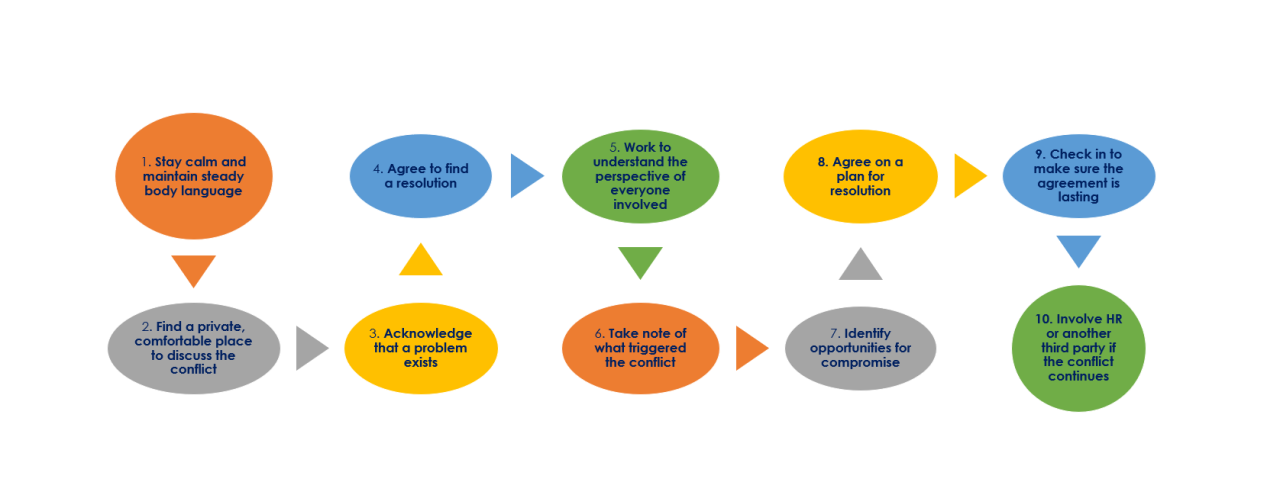
Workplace conflict is an inevitable aspect of professional life. It can arise from differences in personalities, communication styles, or conflicting priorities among colleagues. Understanding the root causes of conflict is crucial for developing effective strategies to address and resolve these issues.
Clear Communication: The Key to Conflict Resolution
One of the most important aspects of resolving workplace conflicts is clear communication. Encouraging open and honest dialogue allows employees to express their concerns, perspectives, and feelings in a safe environment. Active listening plays a vital role in this process, as it fosters understanding and empathy between conflicting parties.
Identifying Common Conflict Triggers
To effectively address workplace conflicts, it’s essential to identify common triggers that contribute to these disputes. Whether it’s miscommunication, competing priorities, or differences in working styles, recognizing these triggers enables organizations to implement preventative measures and mitigate potential conflicts before they escalate.
Promoting a Culture of Collaboration and Respect
A workplace culture that values collaboration, mutual respect, and diversity can significantly reduce the occurrence of conflicts. By fostering an environment where employees feel valued, heard, and supported, organizations can create a sense of unity and teamwork that encourages individuals to work through disagreements constructively.
Implementing Conflict Resolution Training
Providing employees with conflict resolution training equips them with the necessary skills and techniques to address conflicts effectively. This training can include strategies for managing emotions, active listening techniques, and negotiation skills. By investing in employee development, organizations empower their workforce to navigate conflicts with confidence and professionalism.
Establishing Clear Policies and Procedures
Clear policies and procedures for addressing workplace conflicts are essential for promoting fairness and consistency. Establishing a formal process for reporting and resolving conflicts ensures that all parties involved understand their rights and responsibilities. This transparency helps to prevent misunderstandings and minimizes the risk of conflicts escalating.
Seeking Mediation and Third-Party Intervention
In cases where conflicts cannot be resolved through internal channels, seeking mediation or third-party intervention may be necessary. Mediators are trained professionals who facilitate constructive dialogue and help conflicting parties find mutually acceptable solutions. Third-party intervention provides an impartial perspective and can help resolve disputes impartially.
Encouraging Collaborative Problem-Solving
Encouraging collaborative problem-solving approaches can help transform conflicts into opportunities for innovation and growth. By focusing on finding solutions that benefit all parties involved, organizations can turn potentially divisive situations into catalysts for positive change and improvement.
Fostering a Culture of Forgiveness and Reconciliation
Forgiveness and reconciliation play a crucial role in healing relationships damaged by conflicts. Encouraging employees to acknowledge mistakes, take responsibility for their actions, and seek forgiveness fosters a culture of accountability and personal growth. By promoting forgiveness, organizations can rebuild trust and strengthen interpersonal connections in the workplace.
Continuous Improvement and Learning
Resolving workplace conflicts is an ongoing process that requires continuous improvement and learning. Organizations must regularly assess their conflict resolution strategies, solicit feedback from employees, and make adjustments as needed. By prioritizing conflict resolution as a core competency, organizations can create a
- Home Products & Services
- May 4, 2024
- 448 views
Conflict Management Tips Navigating Workplace Disputes
Navigating Conflict in the Workplace: Essential Tips for Success
Understanding the Nature of Workplace Conflict
Conflict is an inevitable part of any workplace, stemming from differences in personalities, priorities, and perspectives. Understanding the nature of workplace conflict is the first step in effectively managing and resolving disputes. By recognizing its root causes and underlying dynamics, managers can develop strategies to address conflict constructively.
Encouraging Open Communication
Open communication is essential for resolving workplace conflict. Encourage employees to express their concerns, opinions, and perspectives openly and respectfully. Create opportunities for dialogue and discussion, whether through team meetings, one-on-one conversations, or anonymous suggestion boxes. By fostering a culture of open communication, managers can address conflicts before they escalate and promote a sense of transparency and trust within the team.
Setting Clear Expectations and Boundaries
Setting clear expectations and boundaries is crucial for preventing and managing workplace conflict. Clearly define roles, responsibilities, and performance expectations for each team member. Establish guidelines for acceptable behavior and communication, and ensure that everyone understands the consequences of violating these boundaries. By setting clear expectations, managers can reduce misunderstandings and conflicts arising from ambiguity or uncertainty.
Active Listening and Empathy
Active listening and empathy are powerful tools for resolving workplace conflict. Take the time to listen to all parties involved, seeking to understand their perspectives and concerns. Show empathy and compassion, acknowledging the emotions and experiences underlying their grievances. By demonstrating empathy, managers can build rapport and trust with employees, paving the way for more effective conflict resolution.
Seeking Common Ground
In many cases, workplace conflict arises from miscommunication or differing priorities rather than irreconcilable differences. Encourage employees to identify common ground and shared goals, focusing on areas of agreement rather than contention. By highlighting shared interests and objectives, managers can foster collaboration and cooperation, reducing the likelihood of conflict and promoting a more harmonious work environment.
Developing Conflict Resolution Skills
Effective conflict resolution is a skill that can be developed and refined over time. Provide training and resources to help employees develop conflict resolution skills, such as active listening, negotiation, and problem-solving. Offer workshops, seminars, or online courses on conflict management techniques and strategies. By investing in employee development, managers can empower their teams to address conflicts more effectively and proactively.
Addressing Conflict Proactively
Proactive conflict management is key to preventing minor disputes from escalating into major conflicts. Encourage employees to address conflicts early on, rather than letting them fester and grow. Provide channels for employees to raise concerns or grievances in a safe and confidential manner, such as through HR or mediation services. By addressing conflicts proactively, managers can nip potential issues in the bud and maintain a positive and productive work environment.
Mediation and Facilitation
In some cases, conflicts may require the intervention of a neutral third party to facilitate resolution. Consider engaging a trained mediator or facilitator to help resolve complex or deeply entrenched conflicts. Mediators can help facilitate productive dialogue, identify common ground, and explore mutually acceptable solutions. By bringing in an

- Marketing Plan
- April 11, 2024
- 341 views
Empower Your Team Time Management Techniques for Employees
Introduction:
In today’s fast-paced work environment, time management is crucial for employee success. With proper techniques, employees can boost productivity, meet deadlines, and maintain a healthy work-life balance. Let’s explore some effective strategies to enhance time management skills in the workplace.
Setting Clear Priorities:
One of the fundamental aspects of effective time management is setting clear priorities. Employees should identify tasks that are urgent and important, focusing their efforts on completing them first. By categorizing tasks based on priority, individuals can allocate their time more efficiently and avoid unnecessary stress.
Utilizing Time Blocking:
Time blocking is a powerful technique that involves dedicating specific blocks of time to different tasks or activities. By scheduling uninterrupted periods for focused work, employees can minimize distractions and maximize productivity. Whether it’s responding to emails, attending meetings, or working on projects, time blocking ensures that each task receives the necessary attention.
Implementing the Pomodoro Technique:
The Pomodoro Technique is a popular time management method that involves breaking work into intervals, typically 25 minutes in length, separated by short breaks. This approach helps employees maintain focus and prevent burnout by encouraging regular breaks. By working in short bursts of concentrated effort, individuals can accomplish more in less time while avoiding fatigue.
Avoiding Multitasking:
Contrary to popular belief, multitasking can actually hinder productivity and lead to decreased efficiency. When employees juggle multiple tasks simultaneously, they may become overwhelmed and prone to errors. Instead, encourage employees to focus on one task at a time, completing it before moving on to the next. This approach allows for better concentration and higher quality work.
Utilizing Technology Tools:
In today’s digital age, there is no shortage of technology tools designed to aid in time management. From task management apps to calendar reminders, employees can leverage various tools to organize their schedules and stay on track. Encourage employees to explore different applications and find the ones that best suit their needs and preferences.
Practicing Effective Communication:
Effective communication is essential for effective time management in the workplace. Clear and open communication ensures that employees understand expectations, deadlines, and priorities. Encourage employees to communicate proactively with colleagues and supervisors, seeking clarification when needed and providing updates on progress.
Setting Realistic Goals:
Setting realistic goals is crucial for effective time management. Employees should establish achievable objectives that align with their skills, resources, and time constraints. By breaking larger goals into smaller, manageable tasks, individuals can track their progress and maintain motivation. Encourage employees to set SMART goals—specific, measurable, achievable, relevant, and time-bound—to increase their chances of success.
Practicing Self-Care:
Finally, it’s essential for employees to prioritize self-care as part of their time management strategy. Encourage individuals to take regular breaks, get adequate sleep, exercise regularly, and maintain a healthy work-life balance. When employees prioritize their well-being, they are better equipped to manage their time effectively and perform at their best in the workplace.
Conclusion: Read more about time management techniques for employees

- Marketing Jobs
- April 3, 2024
- 366 views
The Push for Change Tesla Workers Organize for Unionization
Forming a Union: Tesla Employees Advocate for Fair Representation
In the heart of Silicon Valley, amidst the buzz of innovation and technological advancement, a different kind of movement is brewing within Tesla’s ranks. Employees are banding together, not just to build groundbreaking electric cars or push the boundaries of renewable energy, but to advocate for their own rights within the workplace.
The Push for Change: Tesla Workers Organize for Unionization
For years, Tesla has been at the forefront of the electric vehicle revolution, captivating the world with its sleek designs and commitment to sustainability. But behind the scenes, some workers have voiced concerns about working conditions, wages, and job security. Now, these concerns are fueling a grassroots movement towards unionization.
Tesla Labor: Uniting for Equity and Workplace Rights
At the heart of the push for unionization is a desire for fairness and equity in the workplace. Tesla employees, from factory workers to engineers, are coming together to demand a seat at the table when it comes to decision-making processes that affect their lives and livelihoods. They want better working conditions, fair wages, and a voice in shaping the future of the company they helped build.
Empowering Workers: The Case for a Tesla Union
Proponents of the Tesla union argue that collective bargaining is essential for ensuring that workers’ rights are protected and their voices are heard. By forming a union, employees can negotiate for better pay, benefits, and working conditions, as well as have a say in issues like safety protocols and job security. It’s about empowering workers to have a stake in the success of the company they devote their time and talent to.
Unveiling Solidarity: The Drive for a Tesla Employee Union
The push for a Tesla union is not without its challenges. The company has historically been resistant to unionization efforts, with CEO Elon Musk expressing skepticism about the need for a unionized workforce. However, employees remain undeterred, citing a growing sense of solidarity and determination to see their voices heard and their concerns addressed.
Tesla Staff: Striving for Unionization and Collective Bargaining
Unionization efforts at Tesla are part of a larger trend across the tech industry, where workers are increasingly advocating for their rights and pushing back against issues like long hours, discriminatory practices, and lack of transparency. As one of the most high-profile companies in the world, Tesla’s approach to labor rights could set a precedent for how other tech giants respond to similar movements within their own ranks.
Unionizing Tesla: Employees Advocate for Workplace Equity
The road to unionization is not easy, and Tesla employees face significant obstacles along the way. From potential retaliation from management to legal battles over labor rights, the path forward is fraught with challenges. But for many workers, the potential benefits of unionization far outweigh the risks, and they are committed to seeing the process through to the end.
Sparks of Change: Tesla Employees Mobilize for Unionization
Despite the obstacles, momentum for a Tesla union continues to grow. Employees


