

Neezh
- General Articles
- May 28, 2026
- 76 views
Business Productivity Practices for Sustainable Results
Achieving consistent, long-term success in today’s dynamic business environment demands more than just sporadic bursts of effort; it requires a systematic approach to productivity. Sustainable results stem from ingrained practices that optimize operations, empower people, and foster continuous improvement, ensuring that growth is not only achieved but also maintained over time. These practices build resilience, drive innovation, and ultimately contribute to a more robust and profitable enterprise.
Overview
- Strategic goal alignment provides a clear direction for all business activities, preventing wasted effort.
- Integrating appropriate technology streamlines tasks and automates repetitive processes, freeing up human capital.
- A strong company culture that promotes accountability and active participation is vital for collective output.
- Optimizing workflows by identifying and removing operational bottlenecks enhances efficiency across departments.
- Investing in employee well-being and ongoing skill development boosts morale, retention, and overall capability.
- Utilizing data analytics offers valuable insights for informed decision-making and performance adjustments.
- Regularly reviewing processes and being prepared to adapt to new information or market changes is key to enduring relevance.
Strategic Planning and Goal Alignment for Focus
For productivity to be sustainable, it must be directed toward common objectives. Businesses often struggle when individual efforts are misaligned or when there’s a lack of clarity regarding overarching goals. Effective strategic planning involves setting clear, measurable, achievable, relevant, and time-bound (SMART) goals that cascade from the top level down to individual team members. This ensures every action contributes to the broader vision. Regular communication of these goals, coupled with transparent progress tracking, helps maintain focus and prevents resources from being diverted to non-essential tasks. When everyone understands the ‘why’ behind their work, engagement naturally increases, leading to more purposeful and impactful output.
Leveraging Technology for Operational Efficiency
Technology serves as a powerful accelerator for productivity, but its implementation must be strategic. Simply adopting the latest tools without a clear purpose can introduce more complexity than benefit. The key is to identify specific pain points and processes that can be improved through automation, better data management, or enhanced communication platforms. This includes everything from CRM systems and project management software to accounting automation and collaborative workspaces. Such tools reduce manual errors, speed up routine tasks, and free up employees to focus on higher-value activities that require human intellect and creativity. For instance, platforms that centralize document management or automate reporting can significantly cut down on administrative burdens, allowing teams to dedicate more time to innovation. Companies like powerboss.pt often provide solutions that help businesses manage their operational aspects, leading to improved resource allocation and reduced downtime.
Cultivating a Culture of Accountability and Engagement
Sustainable productivity is not just about tools or processes; it’s deeply rooted in people and the environment they work in. A culture that values accountability means individuals and teams take ownership of their tasks and outcomes. This is fostered through clear expectations, constructive feedback, and recognition of achievements. Engagement goes hand-in-hand with accountability; employees who feel valued, heard, and connected to the company’s mission are more likely to be proactive, innovative, and committed

- General Articles
- May 12, 2026
- 112 views
Business Productivity Practices That Improve Employee Focus
Maintaining a sharp and consistent focus among employees is a persistent challenge for many businesses today. In an environment rich with digital distractions and competing priorities, implementing strategic productivity practices is no longer an option but a necessity. Companies that actively cultivate an atmosphere conducive to concentration often see marked improvements in output quality, efficiency, and overall employee satisfaction. By understanding and applying specific techniques, organizations can help their teams cut through the noise and direct their attention more effectively towards meaningful work, ultimately driving business success.
Overview
- Creating dedicated, distraction-free workspaces significantly helps employees maintain concentration.
- Implementing structured time management techniques, such as the Pomodoro method, aids in sustained focus periods.
- Establishing clear, open communication channels reduces ambiguity and helps employees prioritize tasks efficiently.
- Promoting regular breaks and encouraging work-life balance are crucial for preventing burnout and sustaining attentiveness.
- Utilizing specific technologies designed for focus and collaboration can minimize interruptions and streamline workflows.
- Clearly defined goals and expectations provide direction, allowing employees to channel their energy towards specific objectives.
- Investing in skill development keeps employees engaged and motivated, directly contributing to their ability to concentrate on tasks.
- Cultivating a culture of accountability empowers employees, improving their ownership and focus on tasks.
- Streamlining workflow processes removes unnecessary friction, freeing up mental energy for core tasks.
Establishing a Conducive Work Environment
The physical and digital surroundings play a significant role in an employee’s ability to focus. A cluttered desk, noisy office, or constant digital pings can fragment attention. Businesses can improve focus by designing workspaces that minimize distractions. This might involve setting up quiet zones for deep work, using noise-canceling headphones, or even implementing “no-meeting” blocks to allow uninterrupted time. For remote teams, providing guidelines on creating a productive home office environment, free from personal interruptions, can be equally beneficial. Ensuring essential tools are readily available and digital workspaces are organized also reduces time spent searching and redirects that energy towards tasks.
Implementing Effective Time Management Strategies
Structured approaches to time management can dramatically improve employee focus by breaking down overwhelming tasks into manageable segments. Techniques like the Pomodoro Method, where work is performed in focused 25-minute intervals followed by short breaks, can train the brain to sustain attention. Encouraging employees to prioritize tasks using matrices (e.g., urgent/important) or creating daily “most important task” lists provides clarity and directs their focus to high-impact activities first. Teaching employees to batch similar tasks together, such as answering emails only at specific times, also prevents context-switching and preserves mental energy for deep work.
Fostering Clear Communication Channels
Ambiguous instructions or a lack of clear objectives are major detractors from employee focus. When employees are unsure of what is expected, they spend valuable time seeking clarification or guessing, rather than executing. Establishing clear, concise, and consistent communication channels ensures everyone is on the same page. Regular check-ins, well-structured meeting agendas, and easily accessible project documentation help clarify roles, responsibilities, and project goals. Furthermore, promoting a culture where questions are encouraged and answers are readily provided

- General Articles
- April 17, 2026
- 67 views
Business Productivity Practices for Stronger Work Quality
Achieving high work quality is a primary goal for any successful business. It directly impacts customer satisfaction, reputation, and long-term sustainability. While often viewed as separate concepts, productivity and quality are intrinsically linked; efficient processes and well-managed time allow teams to dedicate more focus and precision to their tasks, ultimately leading to superior output. Implementing structured productivity practices is not just about doing more, but about doing things better, ensuring that every effort contributes meaningfully to the business’s objectives and raises the bar for excellence.
Overview
- Strategic planning and clear goal setting provide direction and purpose for all tasks.
- Effective time management techniques help individuals focus on high-impact activities.
- Streamlining workflows eliminates bottlenecks and unnecessary steps, saving time and resources.
- Cultivating an environment of continuous learning keeps skills sharp and adaptable.
- Leveraging appropriate technology automates routine tasks and improves communication.
- Prioritizing employee well-being and engagement leads to a more motivated and productive workforce.
- Regular feedback and performance reviews drive ongoing improvement and accountability.
Strategic Planning and Goal Setting for Quality Output
The foundation of robust work quality begins with clear, strategic planning and well-defined goals. Without a precise understanding of what needs to be achieved and why, efforts can become fragmented and lack direction. Businesses should establish SMART goals (Specific, Measurable, Achievable, Relevant, Time-bound) at both the organizational and individual levels. This ensures that every team member understands their contribution to the larger picture. Regular reviews of these goals help keep projects on track and allow for adjustments as circumstances evolve. Breaking down large objectives into smaller, manageable tasks makes them less daunting and easier to execute with precision, directly influencing the quality of each completed segment.
Implementing Effective Time Management Techniques
Effective time management is crucial for improving both individual and team productivity, which in turn elevates work quality. Techniques like the Pomodoro Technique, time blocking, or the Eisenhower Matrix can help employees prioritize tasks and allocate focused time for deep work. Encouraging team members to identify and minimize distractions, such as excessive notifications or non-essential meetings, creates a more conducive environment for concentration. When individuals have dedicated periods free from interruptions, they can apply greater attention to detail and critical thinking, preventing errors and improving the overall caliber of their deliverables. This disciplined approach to time ensures that urgent tasks don’t overshadow important, quality-focused work.
Streamlining Workflows and Business Processes
Inefficient workflows are major detractors from both productivity and work quality. Identifying bottlenecks, redundant steps, and areas of manual repetition can yield significant improvements. Businesses should regularly audit their operational processes with an eye toward simplification and automation. Process mapping can visualize current workflows, making it easier to pinpoint areas for optimization. Standardizing procedures for common tasks not only saves time but also ensures consistency and reduces variability in output, directly contributing to higher quality. Tools that facilitate workflow automation can free up valuable human resources to focus on complex, creative, and quality-critical aspects of their roles, rather than mundane administrative duties.
Fostering a Culture of Continuous Learning
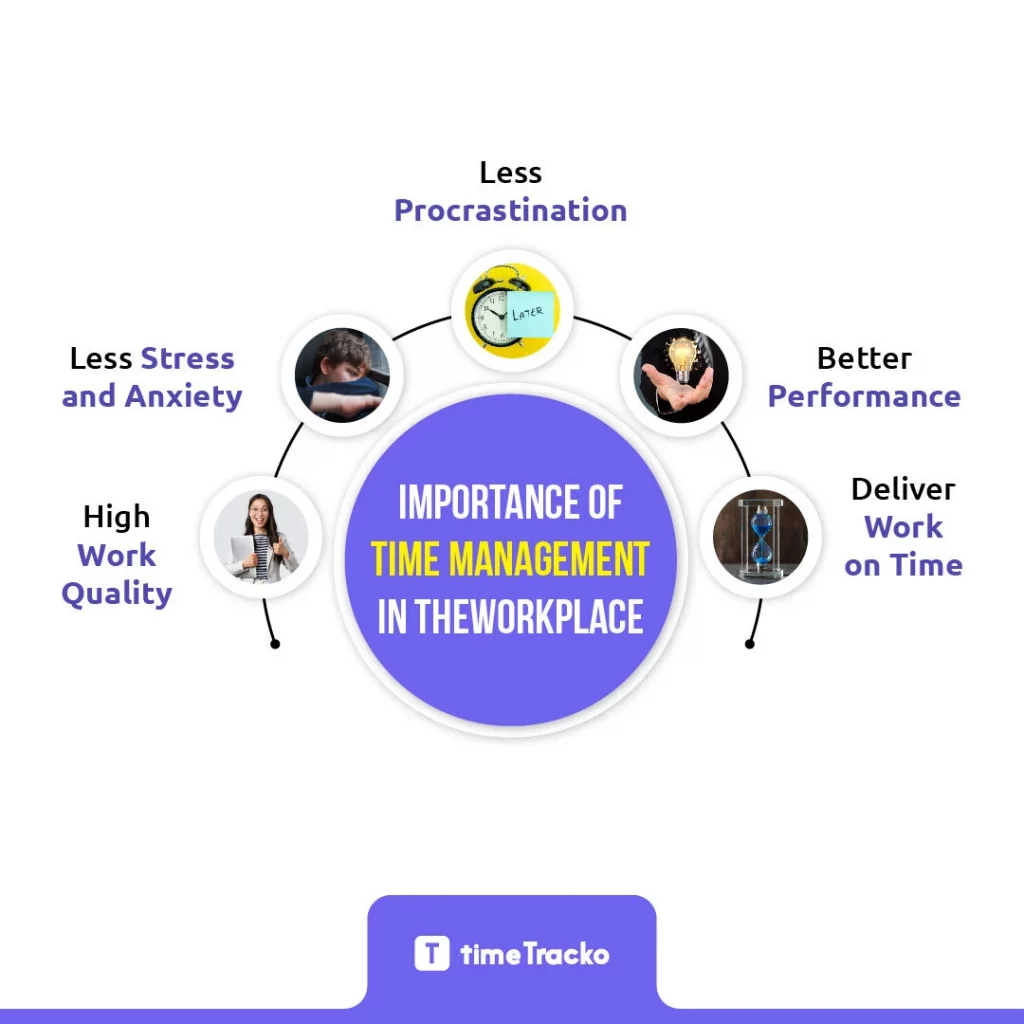
Boost Productivity Essential Time Management Strategies
Boost Productivity: Essential Time Management Strategies
Understanding Time Management
Effective time management is crucial for anyone looking to maximize their productivity and achieve their goals. It’s about making the most of the time we have, prioritizing tasks, and staying focused on what matters most. By mastering time management strategies, individuals can increase their efficiency, reduce stress, and accomplish more in less time.
Setting Clear Goals and Priorities
One of the first steps in effective time management is setting clear goals and priorities. This involves identifying what needs to be accomplished and determining the most important tasks. By setting specific, achievable goals and prioritizing them accordingly, individuals can stay focused and on track towards success.
Creating a Structured Schedule
A structured schedule is essential for effective time management. This involves allocating specific blocks of time for different tasks and activities, whether it’s work-related projects, personal commitments, or leisure activities. By creating a schedule and sticking to it as much as possible, individuals can ensure that they’re making the most of their time and staying organized.
Eliminating Distractions
Distractions can derail even the best-laid plans, so it’s important to minimize them as much as possible. This may involve turning off notifications on your phone or computer, setting aside dedicated time for focused work, or creating a quiet workspace free from distractions. By eliminating distractions, individuals can maintain their focus and productivity throughout the day.
Using Time Management Tools
There are countless tools and apps available to help individuals manage their time more effectively. From calendar apps and task managers to productivity trackers and time-blocking tools, these resources can streamline processes, automate repetitive tasks, and keep individuals on track towards their goals. By leveraging these tools, individuals can optimize their workflow and achieve better results in less time.
Prioritizing Tasks Effectively
Not all tasks are created equal, so it’s important to prioritize them based on their importance and urgency. This involves identifying high-priority tasks that directly contribute to your goals and tackling them first. By prioritizing tasks effectively, individuals can ensure that they’re focusing their time and energy where it matters most, rather than getting bogged down by less important tasks.
Learning to Say No
One of the most valuable skills in time management is learning to say no. This means recognizing when you’re overcommitted and politely declining additional tasks or responsibilities that don’t align with your goals or priorities. By saying no strategically, individuals can avoid spreading themselves too thin and maintain a healthy work-life balance.
Taking Regular Breaks
Contrary to popular belief, taking regular breaks is essential for maintaining productivity and avoiding burnout. By stepping away from work periodically, individuals can recharge their batteries, clear their minds, and return to their tasks with renewed focus and energy. Whether it’s taking a short walk, practicing mindfulness, or simply stepping away from your desk, taking breaks can help individuals stay fresh and alert throughout the day.
Reflecting and Adjusting
Effective time management isn’t a one-size-fits-all solution – it requires constant reflection and adjustment.
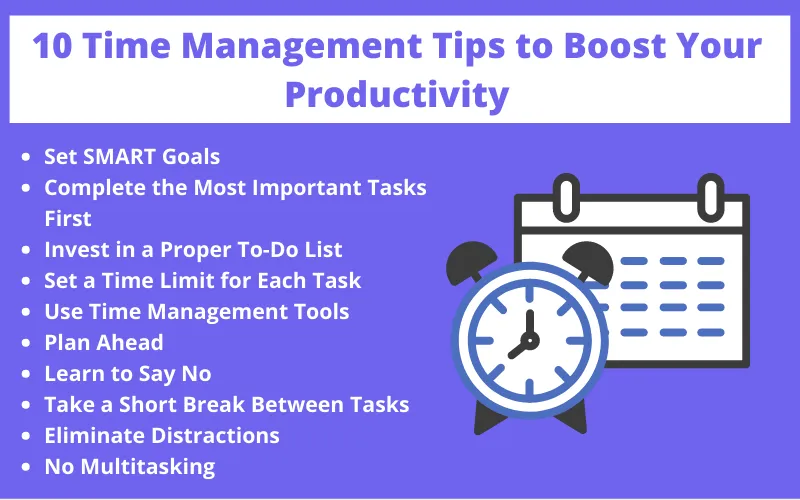
Boost Productivity Time Management Techniques for Success
Introduction:
In today’s fast-paced world, increasing productivity is a goal many strive for. Time management techniques play a crucial role in achieving this objective. By implementing effective strategies, individuals can optimize their time, accomplish more tasks, and ultimately achieve greater success in both personal and professional spheres.
Setting Clear Goals:
A key aspect of time management techniques to boost productivity is setting clear and specific goals. Without a clear direction, it’s easy to get lost in the shuffle of daily tasks. By defining your objectives and prioritizing them accordingly, you can focus your efforts on what truly matters, ensuring that your time is spent on activities that align with your overarching goals.
Prioritizing Tasks:
Not all tasks are created equal. Prioritization is essential for maximizing productivity. Identify the tasks that are most important and time-sensitive, and tackle them first. This prevents you from getting bogged down by less critical tasks and ensures that your energy is directed towards activities that move the needle forward.
Utilizing Time Blocking:
Time blocking is a powerful technique for managing your time effectively. By allocating specific blocks of time to different activities or projects, you create dedicated periods for focused work. This minimizes distractions and helps you maintain momentum on your tasks. Whether it’s a 30-minute block for email correspondence or a two-hour block for project work, time blocking ensures that each task receives the attention it deserves.
Implementing the Pomodoro Technique:
The Pomodoro Technique is a popular time management method that involves working in short bursts, typically 25 minutes in length, followed by a short break. This approach helps prevent burnout and maintains focus by breaking work into manageable intervals. By dividing your workday into Pomodoro sessions, you can increase productivity and maintain a high level of concentration throughout the day.
Minimizing Distractions:
Distractions are the enemy of productivity. Whether it’s email notifications, social media alerts, or interruptions from colleagues, distractions can derail your focus and impede progress on your tasks. Take proactive steps to minimize distractions in your work environment. This may involve turning off notifications, setting boundaries with colleagues, or working in a quiet, distraction-free space.
Taking Regular Breaks:
While it may seem counterintuitive, taking regular breaks is essential for maintaining productivity. Breaks help prevent burnout, alleviate mental fatigue, and improve focus. Incorporate short breaks into your workday to rest and recharge. Whether it’s a quick walk around the block, a few minutes of stretching, or a brief meditation session, taking breaks allows you to return to your tasks feeling refreshed and rejuvenated.
Practicing Time Management:
Time management is a skill that requires practice and discipline. It’s not enough to simply learn time management techniques; you must also put them into practice consistently. Make time management a priority in your daily routine. Set aside dedicated time for planning and organizing your tasks, and regularly review your progress to identify areas for improvement. With practice, you can develop habits that support greater productivity and success.
Seeking Continuous Improvement:
Finally, productivity is a journey,
- Miscellaneous
- April 15, 2024
- 471 views
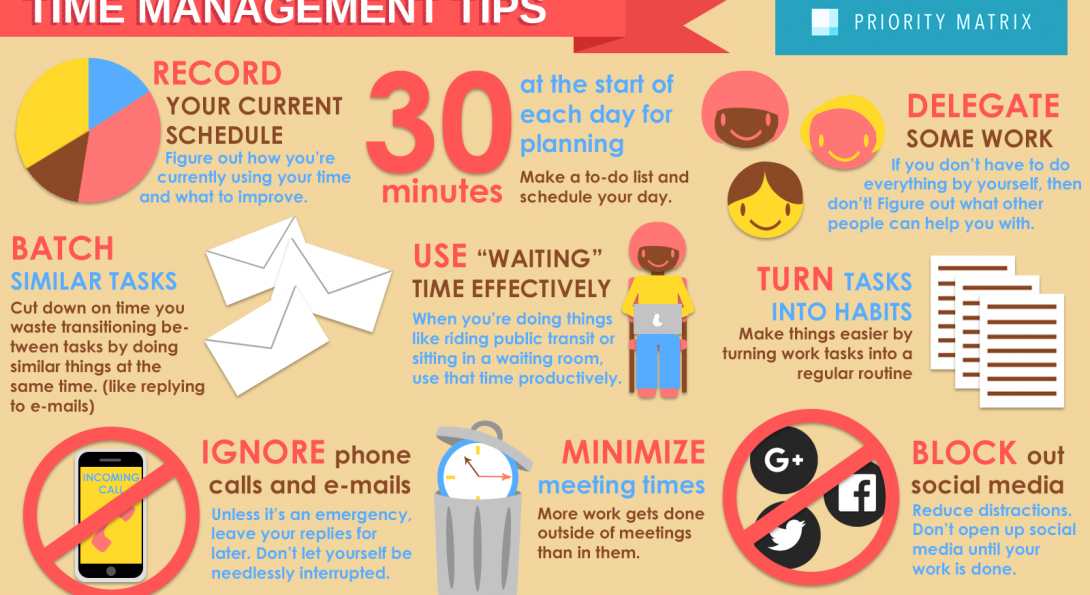
Unlocking Productivity Essential Time Management Skills
Maximizing Your Time: Essential Time Management Tips
In today’s fast-paced world, mastering time management is crucial for success. Whether you’re a student trying to juggle coursework, a professional aiming to meet deadlines, or simply someone looking to make the most out of each day, effective time management skills are indispensable. In this article, we’ll explore some essential tips to help you take control of your time and boost your productivity.
Understanding Your Priorities
One of the first steps in effective time management is understanding your priorities. Take the time to identify your most important tasks and goals, both short-term and long-term. This will help you allocate your time and energy more efficiently, ensuring that you’re focusing on what truly matters.
Creating a Clear Schedule
A clear and organized schedule is essential for effective time management. Take the time to plan out your day, week, or even month, depending on your needs. Use tools like calendars or planners to map out your tasks and appointments, and be sure to allocate sufficient time for each one. By having a clear roadmap of what needs to be done, you’ll be better equipped to stay on track and avoid procrastination.
Setting Realistic Goals
Setting realistic and achievable goals is key to effective time management. Break down larger tasks into smaller, more manageable ones, and set deadlines for each step. This will help prevent overwhelm and ensure that you’re making progress consistently. Be sure to also factor in some buffer time for unexpected delays or challenges that may arise.
Eliminating Time Wasters
Identifying and eliminating time wasters is crucial for maximizing productivity. Take a critical look at your daily habits and routines, and identify any activities that are not contributing to your goals. This could include excessive time spent on social media, unnecessary meetings, or procrastination. By cutting out these time wasters, you’ll free up more time for activities that truly matter.
Prioritizing Tasks Effectively
Not all tasks are created equal, and it’s important to prioritize them accordingly. Use techniques like the Eisenhower Matrix to categorize tasks based on their urgency and importance. Focus on tackling high-priority tasks first, and delegate or defer less important ones when possible. By prioritizing effectively, you’ll ensure that you’re making the most of your time and energy.
Staying Organized
A cluttered workspace can lead to a cluttered mind, making it difficult to focus and stay productive. Take the time to declutter your physical and digital spaces, organizing your files, documents, and belongings in a way that makes sense to you. This will help reduce distractions and streamline your workflow, allowing you to work more efficiently.
Using Time Management Tools
In today’s digital age, there are countless tools and apps available to help you manage your time more effectively. From task management apps to time tracking software, find tools that work for you and integrate them into your daily routine. Experiment with different techniques and methods to see what helps you stay organized and productive.
Taking Regular Breaks
While it

- Real Estate
- April 7, 2024
- 417 views
Boost Your Efficiency Time Management Productivity Tips”
Maximizing Productivity with Time Management Tips
Introduction: The Quest for Productivity
In today’s fast-paced world, productivity is a prized asset. With competing demands on our time and attention, mastering time management techniques is essential for achieving peak productivity. In this article, we’ll explore practical time management tips that can help you maximize your productivity and achieve your goals with greater efficiency.
Setting Clear Goals and Priorities
The first step in effective time management is setting clear goals and priorities. Take the time to define what you want to accomplish and identify the tasks that are most important to achieving those goals. By prioritizing your tasks based on their importance and urgency, you can focus your time and energy where it matters most, ensuring that you make meaningful progress towards your objectives.
Creating a Structured Schedule
A structured schedule is essential for effective time management. Block out dedicated time slots for different tasks and activities, including work, meetings, breaks, and personal commitments. Stick to your schedule as much as possible, but also be flexible enough to adapt to unexpected changes or interruptions. By having a clear plan for how you’ll spend your time, you can avoid wasting valuable minutes and ensure that you make the most of each day.
Minimizing Distractions
Distractions are the enemy of productivity. Whether it’s email notifications, social media alerts, or noisy coworkers, distractions can derail your focus and impede your progress. Take proactive steps to minimize distractions and create a distraction-free work environment. This may involve turning off notifications, setting aside designated “focus time” for uninterrupted work, or finding a quiet space where you can concentrate without interruptions.
Utilizing Time Management Tools
In today’s digital age, there are countless tools and apps available to help you manage your time more effectively. From calendar apps and task management software to time tracking tools and productivity plugins, there’s no shortage of resources to streamline your workflow and boost your productivity. Experiment with different tools to find what works best for you, and integrate them into your daily routine to stay organized and on track.
Practicing Time Blocking
Time blocking is a time management technique that involves scheduling specific blocks of time for different tasks or activities. By allocating dedicated time slots for focused work, meetings, and other commitments, you can ensure that you have enough time to complete important tasks without feeling rushed or overwhelmed. Time blocking also helps you create a sense of structure and rhythm to your day, making it easier to stay on track and maintain momentum.
Taking Regular Breaks
While it may seem counterintuitive, taking regular breaks is essential for maintaining productivity over the long term. Research has shown that taking short breaks throughout the day can help improve concentration, boost creativity, and prevent burnout. Schedule regular breaks into your day, and use them to recharge your batteries, stretch your legs, and clear your mind. You’ll return to your work feeling refreshed and ready to tackle the next task with renewed energy.
Practicing Mindfulness

- Marketing Jobs
- April 5, 2024
- 349 views
Effective Time Management for Business Communication
Efficient Time Management in Business Communication
Introduction: The Role of Time Management in Business Communication
In the fast-paced world of business, effective communication is crucial for success. Whether it’s conveying ideas, negotiating deals, or resolving conflicts, clear and efficient communication can make or break a company’s fortunes. However, amidst the flurry of emails, meetings, and phone calls, time management often takes a back seat. In this article, we’ll explore the importance of time management in business communication and share practical strategies for maximizing efficiency.
Setting Clear Objectives and Priorities
The first step in effective time management is setting clear objectives and priorities. Before diving into communication tasks, take a moment to define what needs to be accomplished and prioritize tasks based on their importance and urgency. This ensures that your time and energy are focused on activities that align with your business goals and deliver the greatest impact.
Utilizing Technology Tools for Efficiency
Technology has revolutionized the way we communicate in business, offering a plethora of tools and platforms to streamline communication processes. From email management software to project management platforms and video conferencing tools, there are countless resources available to help you communicate more efficiently. Take advantage of these tools to organize your communication channels, automate repetitive tasks, and collaborate seamlessly with colleagues and clients.
Implementing Structured Communication Processes
A structured communication process can help eliminate confusion, reduce misunderstandings, and save time. Establish clear guidelines for how communication should flow within your organization, including protocols for scheduling meetings, responding to emails, and sharing information. By establishing consistent processes, you can streamline communication and ensure that everyone is on the same page.
Effective Email Management Practices
Email is a ubiquitous communication tool in the business world, but it can also be a major time sink if not managed properly. To avoid getting overwhelmed by your inbox, implement effective email management practices. Set aside dedicated time slots for checking and responding to emails, use filters and folders to organize incoming messages, and unsubscribe from irrelevant mailing lists. By taking control of your inbox, you can free up valuable time for more meaningful work.
Maximizing Meeting Efficiency
Meetings are a common fixture in business communication, but they can often be a source of frustration and inefficiency. To make the most of your meeting time, set clear agendas, invite only necessary participants, and establish time limits for each agenda item. Encourage active participation and keep discussions focused to ensure that meetings stay on track and productive.
Utilizing Time-Blocking Techniques
Time-blocking is a time management technique that involves scheduling specific blocks of time for different tasks or activities. By allocating dedicated time slots for communication-related tasks, such as responding to emails, making phone calls, or attending meetings, you can ensure that important tasks don’t get overlooked and that your time is used efficiently throughout the day.
Practicing Active Listening
Effective communication is not just about conveying your message; it’s also about listening actively to others. By practicing active listening – fully engaging with the


