

Neezh
- Business Product
- July 1, 2026
- 62 views
Prioritizing Business Product Usability for Users
Prioritizing business product usability is crucial for user adoption and success. Learn practical strategies from real-world expertise. In the competitive landscape of digital solutions, the success of any business product hinges directly on its user experience. A product, no matter how feature-rich or technologically advanced, will falter if users struggle to understand, operate, or integrate it into their daily workflows. From my years working with various B2B and enterprise software platforms, I’ve observed firsthand that prioritizing business product usability isn’t merely a nice-to-have; it is a fundamental requirement for achieving high adoption rates, user satisfaction, and ultimately, sustained revenue growth. Ignoring usability leads to wasted development efforts, increased support costs, and frustrated customers. Overview Many organizations develop powerful tools, yet overlook the human element. This often results in complex, clunky interfaces that users dread. We’ve seen projects in the US where brilliant engineering was undermined by a lack of attention to user interaction. When users struggle, they become less productive. This directly impacts their ability to complete tasks, leading to slower processes and potentially errors. For businesses, this translates into higher operational costs, as employees spend more time on basic tasks or require extensive training. Furthermore, a poorly usable product creates a drain on support resources. Answering repetitive “how-to” questions or troubleshooting user frustration diverts valuable time from more complex issues. Over time, this erodes user confidence and loyalty. Companies that intentionally design for ease of use gain a significant advantage. Their products are adopted faster, require less support, and contribute directly to user efficiency, making them indispensable. Adopting a user-centric approach is non-negotiable for effective business product usability. This begins long before coding starts. It involves truly understanding the end-users – their roles, their pain points, their environments, and their desired outcomes. Techniques like user interviews, contextual inquiries, and persona development help build deep empathy. We create detailed user journey maps, visualizing every interaction point and potential hurdle. Simple, intuitive design patterns are always preferred. This means clear navigation, consistent interface elements, and logical information architecture. Avoid jargon where plain language will suffice. Focus on minimizing cognitive load; each screen should present only necessary information and actions. Iterative prototyping and testing with actual users provide invaluable feedback, catching usability issues early before they become costly to fix. Remember, design is an ongoing conversation, not a one-time event. Measuring the impact of
Why Prioritizing business product usability Matters
User-Centric Design Principles for business product usability
Measuring Usability Success


- Business Product
- May 6, 2026
- 114 views
Ensuring Business Product Accessibility for Everyone
Ensuring business product accessibility benefits all users and drives market growth. Learn practical strategies for inclusive design and compliance. Creating products everyone can use is not just good practice; it is a fundamental business imperative. My experience working with various companies, from startups to large enterprises in the US, has repeatedly shown that neglecting accessibility leads to missed market opportunities and potential legal challenges. True success comes when inclusion is baked into the product development lifecycle from the start. Building products with accessibility in mind is an investment, not an afterthought. In my career, I have seen projects stalled because fundamental design flaws made them unusable for a segment of customers. Retrofitting accessibility features after launch is almost always more expensive and time-consuming. Imagine trying to add a ramp to a completed building versus incorporating it into the original blueprints. The same logic applies to digital and physical products. An accessible product reaches a wider audience. This includes individuals with permanent disabilities, temporary impairments like a broken arm, and situational limitations such as bright sunlight on a screen. The purchasing power of people with disabilities and their families represents a significant market segment. Ignoring them means leaving money on the table. Companies that champion business product accessibility also build a stronger brand reputation, attracting both customers and talent. True accessibility stems from an organizational culture that values inclusion. It starts with leadership commitment and trickles down to every team member. Product managers, designers, and engineers all have a role to play. Regular training on accessibility principles and guidelines is essential. For instance, understanding Web Content Accessibility Guidelines (WCAG) is not just for web developers; it informs content creation, visual design, and interactive elements across all digital products. We learned the importance of embedding accessibility champions within each development squad. These individuals act as internal consultants, reviewing designs and code from an accessibility lens. They ensure that considerations for screen reader users, keyboard navigation, and contrast ratios are part of daily discussions. This proactive approach prevents issues from becoming deeply entrenched and difficult to resolve later. It shifts the mindset from “checking a box” to genuinely designing for everyone. At its heart, business product accessibility means creating products that can be perceived, understood, operated, and interacted with by people of all abilities. This involves several key areas. For digital products, it means ensuring compatibility with assistive technologies like screen readers, speech recognition software, Overview
The Long-Term Value of Business Product Accessibility
Fostering a Culture of Inclusion in Product Development
Understanding the Core of Business Product Accessibility


- General Articles
- March 16, 2026
- 63 views
How Can Businesses Strengthen Their Online Presence
The digital landscape is a powerful arena where businesses compete for attention and customers. A robust online presence is no longer just an advantage; it’s a fundamental requirement for growth and survival in almost every industry. Businesses that effectively establish and maintain their digital footprint can reach wider audiences, build credibility, foster customer loyalty, and ultimately drive revenue. Understanding the core strategies to build and maintain this presence is crucial for long-term success. Overview The first step for any business aiming to strengthen its online presence is to have a functional, user-friendly website. This site acts as your digital storefront and information hub. It must be mobile-responsive, meaning it adapts seamlessly to various screen sizes, from desktops to smartphones, given that a significant portion of internet traffic comes from mobile devices. Clear navigation, fast loading times, and engaging visuals are paramount. The site should accurately reflect your brand identity and offer an intuitive experience for visitors to find information, contact you, or make purchases. Security, including an SSL certificate, is also non-negotiable to protect user data and build trust. Appearing high in search engine results pages (SERPs) is critical for organic visibility. Search Engine Optimization (SEO) involves a series of tactics to make your website more appealing to search engines like Google. This includes thorough keyword research to identify terms your target audience uses, optimizing website content with these keywords, and ensuring your site has a solid technical foundation (e.g., proper sitemaps, fast speeds). Local SEO is particularly important for businesses serving specific geographic areas, involving optimizing Google My Business profiles and securing local citations. Building high-quality backlinks from reputable websites also signals authority to search engines. These efforts contribute to your site’s E-E-A-T (Experience, Expertise, Authoritativeness, Trustworthiness) signals, which Google values heavily. Social media offers a direct channel to engage with current and potential customers. Businesses should identify which platforms their target audience uses most frequently and establish an active presence there. This isn’t just about posting; it’s about engagement – responding to comments, participating in discussions, and sharing content that resonates. Visual content, such as images and videos, often performs well. Consistency in posting and maintaining a brand voice helps build community and loyalty. Social media also provides valuable insights into customer preferences and market trends, allowing businesses to tailor their offerings and messaging.
Building a Strong Foundational Website
Optimizing for Search Engines (SEO)
Actively Using Social Media Platforms
Creating Valuable

- Sport & Hobby
- October 21, 2025
- 476 views
UI UX Design Projects in Personal Portfolios
Are you a UI/UX designer looking to land your dream job? Your personal portfolio is your golden ticket. It’s not just a collection of pretty screens; it’s a powerful narrative that demonstrates your problem-solving skills, design process, and understanding of user needs. Including UI/UX Design (Personal Projects) in your portfolio is a fantastic way to showcase your abilities, especially when you’re just starting out or want to explore different design domains. Key Takeaways: When including UI/UX Design (Personal Projects), treat them with the same level of professionalism as you would client work. Each project should tell a story, from the initial problem to the final solution. Don’t just present the finished designs; walk viewers through your thought process. Explain why you made certain design decisions and how they addressed the user’s needs. Think about the projects you choose carefully. Select those that demonstrate a range of skills and showcase your passion. It’s better to have a few well-executed projects than a dozen half-finished ideas. Consider projects that allow you to explore different design challenges and platforms, such as mobile apps, websites, or even emerging technologies like voice interfaces. We need to make sure it appeals to a wide variety of audiences. The way you present your UI/UX Design (Personal Projects) is crucial. Each project should have a clear structure that highlights your process and impact. A good case study typically includes the following elements: Not all UI/UX Design (Personal Projects) are created equal. When selecting projects for your portfolio, prioritize those that demonstrate your core skills and align with your career goals. Ask yourself the following questions:
Showcasing UI/UX Design (Personal Projects) Effectively
Structuring Your UI/UX Design (Personal Projects) Case Studies
Choosing the Right UI/UX Design (Personal Projects)


Boost AdSense Click-Through Rate: Effective Tips for Success
Unlocking Success: Effective Tips for Boosting AdSense Click-Through Rate Google AdSense is a powerful tool for monetizing websites, but success relies heavily on the Click-Through Rate (CTR). Learn essential tips to enhance your AdSense CTR and optimize revenue. Understanding the Significance of CTR Click-Through Rate is a key metric indicating the percentage of users who click on an ad compared to the total number of users who view the page. A higher CTR not only improves revenue but also signals to Google that your content is relevant, potentially leading to better ad placement and rates. Strategic Placement of Ad Units One of the most impactful factors on CTR is the strategic placement of ad units. Experiment with different positions on your page, considering above-the-fold and in-content placements. Ensure the ads are seamlessly integrated without disrupting the user experience. Balancing Ad Density for User Experience While optimizing CTR is crucial, maintaining a balance with user experience is equally important. Avoid overwhelming your page with too many ads, as this can deter users and result in a higher bounce rate. Strike a balance that allows for effective monetization without compromising the overall user experience. Utilizing Responsive Ad Units for Mobile Users Given the increasing number of users accessing websites on mobile devices, it’s imperative to optimize ad units for responsiveness. Responsive ads automatically adjust to different screen sizes, ensuring a consistent and visually appealing experience for mobile users, ultimately boosting CTR. Experimenting with Ad Styles and Colors The appearance of ad units can significantly impact CTR. Experiment with different ad styles and colors to find what blends seamlessly with your website’s design. Sometimes, subtle changes in the color or style of the ads can catch the user’s eye without appearing intrusive. Crafting Compelling Ad Copy and Design The content and design of the ad itself play a crucial role in enticing users to click. Write compelling ad copy that is relevant to your audience. Choose clear and visually appealing designs that stand out while maintaining coherence with your website’s overall aesthetics. Optimizing for Relevant Keywords Relevance is key to attracting users who are likely to engage with the ads. Optimize your content and ad placements for relevant keywords. Aligning the content of your website with the ads presented increases the likelihood of clicks from users genuinely interested in the offerings. AdSense CTR Tips: Your Comprehensive Resource For a deeper dive into advanced strategies and actionable insights on boosting AdSense CTR, explore the AdSense CTR Tips resource. This comprehensive guide covers a range of topics, from ad optimization techniques to understanding user behavior. Visit www.twitterconcepts.com to access the guide and elevate your AdSense CTR strategy. Regular Monitoring and A/B Testing Continuous improvement is key to boosting CTR. Regularly monitor the performance of your ad units through Google AdSense analytics. Conduct A/B testing to compare different ad placements, styles, and colors. Use the data to refine your strategy based on what resonates most with your audience. Adapting to Changes in User Behavior and Trends

Optimizing AdSense Performance: Essential Tips for Success
Maximizing Ad Revenue: AdSense Performance Optimization Tips In the realm of online monetization, Google AdSense remains a primary choice for many website owners and content creators. To unlock the full potential of AdSense, it’s essential to focus on performance optimization. Let’s explore key tips for enhancing your AdSense performance and maximizing your revenue. Understanding the Importance of Optimization AdSense performance optimization is not just about increasing revenue; it’s about creating a seamless and engaging experience for users. By optimizing your AdSense setup, you improve user satisfaction, encourage longer site visits, and ultimately boost your overall performance metrics. Strategic Ad Placement for Maximum Impact The placement of ads on your website plays a crucial role in user interaction and revenue generation. Experiment with different ad formats and positions to find the optimal balance between visibility and user experience. Strategic ad placement ensures that ads are noticed without compromising the quality of your content. Balancing Ad Density for User Experience While maximizing ad placements is essential, it’s equally important to maintain a balance. Crowding your pages with too many ads can lead to a cluttered and distracting user experience. Strike a balance between ad density and user-friendly design to ensure a positive browsing experience for your visitors. Leveraging Responsive Ad Units In an era where users access websites from various devices, optimizing for mobile and desktop is imperative. Utilize responsive ad units that automatically adjust to different screen sizes. This ensures that your ads look visually appealing and maintain their effectiveness across a range of devices. Exploring Different Ad Formats for Variety AdSense offers various ad formats, including display ads, link units, and matched content. Experimenting with different formats allows you to identify what resonates best with your audience. Diversifying ad formats not only adds variety to your site but also provides more opportunities for engagement and revenue. Monitoring Performance with AdSense Reports Google AdSense provides detailed reports on your account’s performance. Regularly review these reports to gain insights into ad impressions, click-through rates, and earnings. Analyzing this data allows you to identify trends, understand user behavior, and make informed decisions for further optimization. Custom Channels for Targeted Optimization Custom channels in AdSense allow you to group ad units based on specific criteria, such as ad type or placement. Creating custom channels enables targeted optimization by providing detailed insights into the performance of different ad units. This data-driven approach helps you refine your strategy for maximum effectiveness. Implementing A/B Testing for Continuous Improvement A/B testing involves comparing two or more variations of a webpage to determine which performs better. Apply A/B testing to different ad placements, colors, and formats to understand what resonates most with your audience. Continuous testing and refinement lead to ongoing improvements in AdSense performance. Optimizing Website Speed for User Retention Website speed is a critical factor influencing both user experience and search engine rankings. Optimize your website’s loading time to reduce bounce rates and improve user retention. Faster-loading pages contribute to higher ad viewability and, consequently, enhanced AdSense

Maximizing AdSense Income: Strategic Approaches for Success
Unlocking Earnings: Effective AdSense Income Strategies In the digital landscape, Google AdSense stands as a prominent avenue for content creators and website owners to monetize their platforms. Maximizing AdSense income requires a thoughtful approach and a keen understanding of strategies that can enhance your revenue potential. Understanding AdSense Basics Before diving into advanced strategies, it’s crucial to grasp the basics of Google AdSense. Ensure your website complies with AdSense policies, and follow best practices for ad placement. Proper integration sets the foundation for successful monetization. Optimizing Ad Placement Strategic ad placement significantly impacts user engagement and revenue generation. Experiment with ad positions to find the sweet spot that balances visibility and user experience. Placing ads near high-traffic areas can enhance click-through rates and overall earnings. Utilizing Responsive Ad Units In a mobile-centric era, optimizing for various devices is essential. Utilize responsive ad units that adjust seamlessly to different screen sizes. This ensures a consistent and visually appealing experience for users across desktops, tablets, and smartphones. Exploring Different Ad Formats Google AdSense offers various ad formats, including display ads, link units, and matched content. Experimenting with different formats allows you to understand what resonates best with your audience. Diversifying ad formats can lead to increased engagement and higher earnings. Creating High-Quality Content Quality content is the backbone of any successful AdSense strategy. Google values valuable and relevant content, and advertisers are more likely to bid on ad space within premium content. Regularly update your website with informative and engaging content to attract both users and advertisers. Implementing AdSense Auto Ads Google’s Auto Ads feature uses machine learning to determine the best placements for ads on your site. Enabling Auto Ads can save time on manual placement and potentially enhance revenue by optimizing ad locations based on user behavior. Utilizing AdSense Custom Channels Custom channels allow you to track the performance of specific ad units. By creating custom channels, you gain insights into which ad formats and placements are generating the most revenue. This data-driven approach empowers you to make informed decisions for optimization. Monitoring Performance with Google Analytics Integrating Google Analytics with your AdSense account provides a comprehensive view of your website’s performance. Analyze user behavior, traffic sources, and ad interaction data. This information is invaluable for refining your content and ad strategy. Staying Informed About Industry Trends The digital advertising landscape is dynamic, with trends and technologies evolving rapidly. Stay informed about industry changes, emerging ad formats, and shifts in user behavior. Adapting to these trends ensures your AdSense strategy remains effective and competitive. Optimizing for User Experience A positive user experience is crucial for retaining visitors and encouraging engagement. Balance the placement of ads with the overall design and functionality of your website. Prioritize user experience to create a harmonious environment for both your audience and advertisers. AdSense Income Strategies for Sustainable Earnings In conclusion, effective AdSense income strategies involve a combination of optimization techniques, content quality, and staying informed about industry developments. For more in-depth insights and strategies,

- Marketing Plan
- February 8, 2024
- 413 views
Maximizing Mobile Ad Revenue: Essential Tips
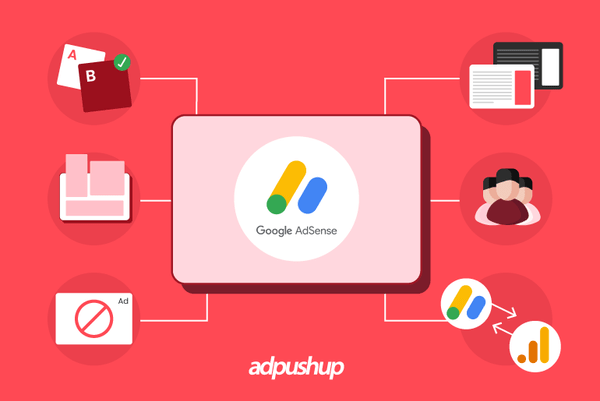
Unlocking the Potential: Strategies for Maximizing Mobile Ad Revenue In the rapidly evolving landscape of digital advertising, mobile ad revenue has become a critical aspect of monetization for businesses and content creators alike. To harness the full potential of this revenue stream, it’s essential to adopt effective strategies. In this article, we’ll explore key tips to help you maximize mobile ad revenue and elevate your overall monetization strategy. Understanding the Mobile Landscape To succeed in mobile ad revenue, it’s crucial to understand the unique dynamics of the mobile landscape. Mobile users behave differently from desktop users, often seeking quick and accessible content. Tailor your ad strategy to cater to the mobile audience, ensuring that ads are seamlessly integrated into the user experience without causing disruption. Optimizing Ad Placement The placement of mobile ads plays a pivotal role in their effectiveness. Strategic ad placement can significantly impact user engagement and, subsequently, your revenue. Experiment with different positions, such as in-app banners, interstitial ads, or native placements, to identify what works best for your audience. A/B testing can provide valuable insights into optimizing ad placement for maximum impact. Creating Engaging Ad Content Capturing the attention of mobile users requires engaging and concise ad content. Craft compelling visuals and concise copy that quickly communicates the value proposition. Mobile users scroll through content rapidly, so make sure your ads are visually appealing and deliver the intended message within seconds. Implementing Targeted Advertising Targeted advertising is a powerful tool for maximizing mobile ad revenue. Leverage user data and analytics to understand your audience better. By delivering targeted ads based on user preferences, behavior, and demographics, you increase the likelihood of capturing user interest and, consequently, boosting ad revenue. Utilizing Video Ads for Impact Video ads have proven to be highly effective in the mobile space. They grab attention and convey messages in a dynamic way. Consider incorporating short, engaging video content into your mobile ad strategy. Ensure that videos are optimized for mobile viewing, with attention-grabbing visuals and a clear call-to-action. Mobile-Friendly Website Design A seamless user experience is essential for driving mobile ad revenue. Ensure your website is mobile-friendly, with responsive design and fast load times. A positive user experience encourages users to explore more content and engage with ads, contributing to increased revenue. Stay Informed About Ad Formats and Trends The mobile advertising landscape is dynamic, with new formats and trends emerging regularly. Stay informed about the latest developments in ad formats, technologies, and trends. Being adaptable and integrating innovative ad formats can give you a competitive edge and enhance your overall mobile ad revenue strategy. Implementing Ad Mediation for Optimization Ad mediation is a technique that allows you to optimize ad revenue by managing multiple ad networks. It ensures that your mobile app or website always shows the highest-paying ads available. By implementing ad mediation, you can maximize fill rates and increase overall revenue. Balancing Ad Frequency While ads are a crucial revenue stream, it’s essential to strike a balance to avoid
- Marketing Plan
- January 25, 2024
- 376 views
Optimize AdSense: Proven Strategies for Maximum Revenue
Unlocking Success: Proven AdSense Optimization Strategies In the dynamic landscape of online monetization, optimizing your AdSense strategy is essential. Explore these proven strategies to maximize your AdSense revenue and elevate your online earnings. Understanding the Basics of AdSense Before delving into advanced strategies, it’s crucial to have a solid understanding of the basics of AdSense. Comprehend how ad units work, the AdSense auction process, and the key performance metrics like CPC (Cost Per Click) and CTR (Click Through Rate). This foundational knowledge sets the stage for effective optimization. Strategic Ad Placement for Maximum Impact Ad placement is a critical factor influencing user engagement and revenue. Experiment with different ad positions on your website or platform. Consider placing ads above the fold, within content, or in the sidebar. Monitor user behavior and adjust placements to find the sweet spot that maximizes visibility without disrupting the user experience. Utilizing Responsive Ad Units for Better User Experience In an era where users access content on various devices, responsiveness is paramount. Implement responsive ad units that adapt seamlessly to different screen sizes. Ensuring a positive user experience across desktop, tablet, and mobile devices not only improves engagement but also contributes to increased revenue. Optimizing Ad Styles and Colors for User Appeal The visual appeal of ad units significantly influences user interaction. Experiment with different ad styles, colors, and formats to find the combination that seamlessly integrates with your website’s aesthetics. An aesthetically pleasing and non-intrusive ad unit is more likely to capture user attention and lead to higher click-through rates. Crafting Compelling Ad Copy and Design The content and design of your ad copy play a pivotal role in enticing clicks. Write compelling, relevant ad copy that aligns with your audience’s interests. Choose clear and visually appealing designs that complement your overall website aesthetics. A well-crafted ad copy enhances user engagement and click-through rates. AdSense Optimization Strategies: Your Comprehensive Resource For a deep dive into advanced strategies and actionable tips for AdSense optimization, explore the AdSense Optimization Strategies resource. This comprehensive guide covers everything from ad placement techniques to harnessing the power of analytics for informed decision-making. Visit www.twitterconcepts.com to access the guide and supercharge your AdSense optimization efforts. A/B Testing for Continuous Improvement A/B testing involves comparing different versions of ad units to determine which performs better. Experiment with variations in ad styles, colors, sizes, and placements. Analyze the results to identify the most effective combinations and continuously refine your strategy based on user response. Leveraging Advanced Targeting Options AdSense provides advanced targeting options that allow you to refine the audience for your ads. Explore demographic targeting, interest categories, and custom channels to tailor your ad delivery. This level of precision ensures that ads are presented to users most likely to engage, improving overall ad performance. Monitoring Analytics Metrics for Informed Decisions Regularly monitor AdSense analytics to gain insights into ad performance. Track metrics such as click-through rates, RPM (Revenue Per Mille), and user demographics. Analyzing this data helps you understand user behavior,

Maximize Monetization: Techniques Tips 2024
Unlocking Monetization Potential: Techniques Tips 2024 Monetizing your online endeavors requires staying ahead of the curve and embracing innovative strategies. Here, we delve into key techniques and tips to maximize your monetization efforts in 2024. Understanding Current Trends The digital landscape is dynamic, and understanding current trends is paramount. Stay informed about emerging technologies, shifts in user behavior, and changes in online advertising trends. This knowledge forms the foundation for effective monetization strategies. Diversifying Income Streams Relying on a single income source can be risky. Explore diverse revenue streams, including affiliate marketing, sponsored content, and e-commerce. Diversification not only minimizes risk but also opens up new opportunities for revenue generation. Optimizing Ad Placement for Impact Strategic ad placement is crucial for maximizing revenue. Experiment with different ad positions on your website or platform to find the optimal arrangement. A well-placed ad captures user attention and enhances the overall user experience. Leveraging High-Paying Keywords Identify and integrate high-paying keywords relevant to your content. Advertisers are willing to bid more for targeted placements. By incorporating these keywords naturally, you can attract more lucrative advertising opportunities. Harnessing the Power of Social Media Social media platforms are powerful tools for content distribution and monetization. Build a strong presence on platforms relevant to your audience. Utilize social media to drive traffic to your monetized content and engage with your audience. Investing in User Experience A positive user experience is vital for retaining visitors and maximizing engagement. Invest in a user-friendly website or platform with quick load times and intuitive navigation. A seamless user experience encourages longer stays and increased interactions with ads. Exploring Emerging Technologies Stay abreast of emerging technologies, such as virtual reality, augmented reality, and interactive content. Innovations in technology can open new avenues for monetization. Early adoption of these technologies can give you a competitive edge. Building Strong Partnerships Collaboration is a powerful tool in the world of online monetization. Build strong partnerships with advertisers, fellow content creators, and industry influencers. Networking can lead to mutually beneficial opportunities, expanding your reach and revenue potential. Staying Compliant with Policies Adherence to policies and guidelines is crucial for sustained monetization success. Stay informed about the policies of advertising platforms, affiliate programs, and content distribution channels. Compliance ensures a trustworthy reputation and long-term viability. Embracing Continuous Learning The digital landscape is ever-changing, and continuous learning is essential. Stay informed about industry updates, attend webinars, and participate in relevant forums. An adaptive mindset and a commitment to learning will position you for success in the dynamic world of online monetization. For additional insights and tips on Monetize Techniques in 2024, check out Monetize Techniques Tips 2024 for the latest updates. Implementing these strategies can propel you toward maximizing your monetization potential in the evolving digital space.


