

Neezh
- Market News
- April 22, 2024
- 424 views
Mastering Virtual Leadership Essential Tips for Success
Mastering Virtual Leadership: Essential Tips for Success
In the ever-evolving landscape of modern work, the concept of leadership has transcended physical boundaries. As organizations increasingly rely on remote work arrangements, mastering the art of virtual leadership becomes paramount for success. Here, we delve into essential tips for navigating the intricacies of leading virtual teams.
1. Establish Clear Communication Channels
Effective communication lies at the heart of successful virtual leadership. Without the luxury of face-to-face interactions, establishing clear communication channels is crucial. Utilize a combination of video conferencing, instant messaging, and email to ensure seamless communication flow within your virtual team.
2. Foster a Culture of Trust and Collaboration
Building trust among team members is essential for fostering a collaborative virtual environment. Encourage open communication, respect diverse opinions, and provide opportunities for team bonding activities. When team members feel valued and supported, they are more likely to collaborate effectively towards common goals.
3. Set Clear Expectations and Goals
Clarity breeds efficiency in virtual team settings. Clearly define roles, responsibilities, and project goals from the outset. Establish realistic deadlines and milestones to keep everyone aligned and accountable. Regularly revisit and communicate these expectations to ensure continued clarity and focus.
4. Embrace Technology and Tools
In the digital age, technology serves as the backbone of virtual collaboration. Invest in reliable communication and project management tools to streamline workflows and enhance productivity. Whether it’s video conferencing platforms, task management software, or collaborative document editing tools, leverage technology to facilitate seamless remote teamwork.
5. Prioritize Relationship Building
Despite the physical distance, strong relationships are the cornerstone of successful virtual teams. Take the time to get to know your team members on a personal level. Schedule one-on-one check-ins, virtual coffee chats, or informal team gatherings to foster camaraderie and strengthen interpersonal connections.
6. Lead by Example
As a virtual leader, your actions speak louder than words. Lead by example by demonstrating professionalism, accountability, and adaptability in your own work. Be proactive in addressing challenges, seeking feedback, and embracing change. Your leadership sets the tone for the entire virtual team.
7. Encourage Continuous Learning and Development
In a rapidly evolving digital landscape, continuous learning is essential for staying ahead of the curve. Encourage your virtual team members to pursue professional development opportunities, whether it’s attending virtual workshops, enrolling in online courses, or participating in skill-building exercises. Invest in their growth, and you’ll reap the rewards of a highly skilled and motivated team.
8. Foster a Healthy Work-Life Balance
Remote work blurs the lines between professional and personal life, making it essential to prioritize work-life balance. Encourage your virtual team members to set boundaries, take regular breaks, and disconnect from work when needed. Lead by example by respecting downtime and promoting a culture of self-care within the team.
9. Embrace Flexibility and Adaptability
In the dynamic world of virtual work, adaptability is key to success. Be flexible in your approach to work arrangements, scheduling, and problem-solving. Embrace change as an opportunity for growth and innovation, rather than a

Expert Guidance for Successful Conflict Management
The Importance of Conflict Management: Navigating Through Challenges
Conflict is an inevitable part of human interaction, arising from differences in opinions, values, and goals. However, how we handle conflict determines its outcome and impact on relationships, productivity, and overall well-being. In this article, we delve into the significance of conflict management and explore effective strategies for navigating through challenging situations.
Understanding Conflict: Identifying Root Causes
Before addressing conflict, it’s crucial to understand its root causes. Conflicts often stem from miscommunication, differing expectations, or unresolved issues. By identifying the underlying reasons for conflict, individuals can address them more effectively, leading to sustainable resolutions and improved relationships.
Communication Breakdown: The Catalyst for Conflict
Communication breakdowns exacerbate conflict, leading to misunderstandings and heightened tensions. Effective communication involves active listening, empathy, and clarity in expressing thoughts and feelings. By fostering open and honest dialogue, individuals can prevent conflicts from escalating and find common ground for resolution.
Emotional Intelligence: Managing Emotions During Conflict
Emotions play a significant role in conflict escalation or resolution. Individuals with high emotional intelligence can regulate their emotions, empathize with others’ perspectives, and maintain composure during tense situations. By cultivating emotional intelligence, individuals can navigate conflicts with maturity and foster constructive dialogue for resolution.
Conflict Resolution Styles: Choosing the Right Approach
Various conflict resolution styles exist, including avoidance, accommodation, competition, compromise, and collaboration. Each style has its merits depending on the situation and individuals involved. Understanding these styles empowers individuals to choose the most appropriate approach for effectively managing conflicts and achieving mutually satisfactory outcomes.
Building Trust: The Foundation for Conflict Resolution
Trust forms the foundation of healthy relationships and effective conflict resolution. Establishing trust involves demonstrating reliability, integrity, and respect for others’ perspectives. By building trust within teams and communities, individuals can navigate conflicts more effectively, fostering cooperation and mutual understanding.
Active Listening: Key to Conflict Resolution Success
Active listening is a critical skill in conflict resolution, allowing individuals to understand others’ viewpoints and concerns genuinely. It involves giving full attention, paraphrasing, and asking clarifying questions to ensure comprehension. Through active listening, conflicts can be de-escalated, and solutions can be reached collaboratively.
Seeking Common Ground: Finding Win-Win Solutions
In conflicts, individuals often focus on winning at the expense of others, leading to adversarial outcomes. However, seeking common ground and finding win-win solutions can transform conflicts into opportunities for growth and collaboration. By prioritizing mutual interests and exploring creative solutions, conflicts can be resolved satisfactorily for all parties involved.
Respecting Differences: Embracing Diversity in Perspectives
Diversity in perspectives enriches discussions and decision-making processes but can also lead to conflicts due to differing viewpoints. Respecting differences involves valuing diverse perspectives, fostering inclusivity, and promoting constructive dialogue. By embracing diversity, conflicts can be reframed as opportunities for learning and innovation.
Managing Conflict in the Workplace: Promoting a Positive Culture
Conflict in the workplace can hinder productivity, morale, and employee satisfaction if left unresolved. Organizations must promote a positive culture that encourages open communication, constructive feedback, and conflict resolution training. By addressing conflicts proactively

- Arts & Entertainment
- April 18, 2024
- 478 views
Mastering Leadership Essential Tips for Team Success
The Power of Effective Leadership: Navigating the Terrain of Team Dynamics
In the fast-paced landscape of modern work environments, effective leadership stands as the cornerstone of success. Whether in the corporate realm, nonprofit sector, or entrepreneurial ventures, the ability to lead and inspire a team towards a common goal is paramount. Here, we delve into the intricacies of team leadership, exploring essential strategies and insights for steering teams towards greatness.
Fostering a Culture of Collaboration
At the heart of effective leadership lies the cultivation of a culture where collaboration thrives. A successful team is one where every member feels valued and empowered to contribute their unique insights and skills. As a leader, it is essential to create an environment where open communication and idea-sharing are not only encouraged but celebrated. By fostering a culture of collaboration, teams can harness the collective intelligence and creativity of its members to tackle challenges and drive innovation.
Setting Clear Goals and Expectations
Clarity is key when it comes to setting goals and expectations for your team. As a leader, it is your responsibility to articulate a clear vision and outline actionable objectives that align with the overarching mission of the organization. By setting clear goals and expectations, you provide your team with a roadmap for success and empower them to work towards tangible outcomes. Additionally, clear communication ensures that everyone is on the same page, minimizing misunderstandings and fostering accountability.
Leading by Example
Leadership is not just about giving orders; it’s about leading by example. As a leader, your actions speak louder than words, and your behavior sets the tone for the entire team. By demonstrating integrity, resilience, and a strong work ethic, you inspire trust and confidence in your team members. Leading by example also means being willing to roll up your sleeves and get your hands dirty when necessary, showing your team that you are not above any task and are fully committed to the collective success.
Nurturing Talent and Growth
Great leaders understand the importance of investing in the growth and development of their team members. By nurturing talent and providing opportunities for learning and advancement, you not only foster a sense of loyalty and commitment but also ensure the long-term success of your team. Encourage continuous learning and skill development, and provide constructive feedback and mentorship to help your team members reach their full potential. A team that feels supported and valued is more likely to go above and beyond to achieve shared goals.
Embracing Diversity and Inclusion
In today’s increasingly diverse workplaces, embracing diversity and inclusion is not just a moral imperative but also a strategic advantage. As a leader, it is crucial to create a culture where everyone feels welcome, respected, and valued for their unique perspectives and contributions. Embrace diversity in all its forms and actively seek out opportunities to foster inclusivity within your team. By harnessing the power of diverse viewpoints and experiences, you can drive innovation, creativity, and better decision-making.
Effective Communication and Feedback
Communication

New Team Success Strategies for Effective Management
Key Strategies for Success in Managing a New Team
Understanding the Dynamics
When tasked with managing a new team, it’s crucial to take the time to understand the dynamics at play. Each team member brings unique strengths, personalities, and communication styles to the table. By gaining insights into these dynamics, you can better tailor your approach to leadership and foster a cohesive and productive team environment.
Setting Clear Expectations
One of the first steps in managing a new team is setting clear expectations. Clearly communicate your goals, objectives, and performance expectations from the outset. Be transparent about your leadership style, communication preferences, and the team’s role within the organization. Setting clear expectations lays the foundation for success and minimizes misunderstandings down the line.
Building Trust and Rapport
Trust is essential for effective team management. Take the time to build rapport with your new team members and establish trust-based relationships. Show genuine interest in their ideas, concerns, and professional development goals. Foster an environment where team members feel valued, supported, and empowered to contribute their best work.
Effective Communication
Effective communication is the cornerstone of successful team management. Establish open lines of communication with your team members and encourage regular dialogue. Be approachable and accessible, and actively listen to their feedback and input. Clear and transparent communication builds trust, minimizes misunderstandings, and fosters collaboration within the team.
Providing Support and Resources
As a manager, it’s essential to provide your team with the support and resources they need to succeed. Identify any gaps in skills or knowledge and offer training, mentorship, or professional development opportunities to address them. Ensure that your team has access to the tools, technology, and resources necessary to carry out their responsibilities effectively.
Fostering Collaboration and Teamwork
Promoting collaboration and teamwork is essential for harnessing the collective intelligence of your new team. Encourage team members to share ideas, collaborate on projects, and support one another’s efforts. Create opportunities for team building activities, brainstorming sessions, and cross-functional collaboration to strengthen bonds and enhance productivity.
Managing Conflict Effectively
Conflict is inevitable in any team setting, but how it’s managed can make all the difference. As a manager, it’s essential to address conflicts promptly and constructively. Listen to all perspectives, identify underlying issues, and work with team members to find mutually acceptable solutions. Use conflicts as opportunities for growth and learning, rather than allowing them to escalate and undermine team morale.
Providing Feedback and Recognition
Regular feedback and recognition are powerful tools for motivating and empowering your team. Provide constructive feedback on performance, highlighting strengths and areas for improvement. Recognize and celebrate achievements, milestones, and contributions to reinforce positive behavior and foster a culture of appreciation within the team.
Leading by Example
As a manager, your actions speak louder than words. Lead by example by demonstrating integrity, accountability, and professionalism in your own behavior. Show commitment to the team’s goals and values, and be willing to roll up your sleeves and pitch in when needed. Your leadership sets the tone for
.jpg "Efficient Time Management Techniques for Busy Days")
- Web Resources
- April 16, 2024
- 407 views
Efficient Time Management Techniques for Busy Days
Time Management Secrets for Peak Productivity
In today’s fast-paced world, mastering the art of time management is crucial for achieving success and maintaining a healthy work-life balance. With so many tasks vying for our attention, it’s easy to feel overwhelmed and stressed. However, by implementing effective time management strategies, you can take control of your schedule and boost your productivity like never before.
The Importance of Prioritization
One of the fundamental principles of time management is prioritization. It’s essential to identify the tasks that are most important and urgent and tackle them first. By prioritizing your tasks, you can ensure that you’re focusing your time and energy on the activities that will have the greatest impact on your goals. Whether it’s meeting deadlines at work or spending quality time with your loved ones, prioritization allows you to allocate your resources wisely and achieve optimal results.
Setting Clear Goals and Deadlines
Another key aspect of effective time management is setting clear goals and deadlines. Without specific objectives to work towards, it’s easy to lose sight of what needs to be accomplished and become distracted by less important tasks. By setting realistic and achievable goals for yourself, you can stay focused and motivated, knowing exactly what you need to accomplish and by when. Additionally, establishing deadlines helps create a sense of urgency and prevents procrastination, ensuring that you stay on track and meet your objectives in a timely manner.
Eliminating Time Wasters
In today’s digital age, it’s all too easy to fall into the trap of wasting time on non-essential activities such as scrolling through social media or responding to unnecessary emails. To maximize your productivity, it’s essential to identify and eliminate these time-wasting habits. Set boundaries around your use of technology, such as designating specific times for checking emails or browsing the internet. By minimizing distractions and staying focused on your priorities, you can make the most of your time and accomplish more in less time.
The Power of Time Blocking
Time blocking is a highly effective time management technique that involves allocating specific blocks of time to different tasks or activities. By breaking your day into dedicated time slots for work, leisure, and personal tasks, you can ensure that you’re making progress on your most important priorities while still allowing time for relaxation and self-care. Time blocking helps you stay organized and disciplined, allowing you to manage your time more effectively and make the most of every hour in your day.
Learning to Delegate
One of the biggest challenges of time management is trying to do everything yourself. However, trying to juggle too many tasks at once can lead to burnout and inefficiency. Learning to delegate tasks to others is a crucial skill that can help you free up valuable time and focus on the activities that truly matter. Whether it’s assigning projects to colleagues at work or enlisting the help of family members at home, delegating allows you to leverage the strengths and abilities of others, while also lightening
- Miscellaneous
- April 15, 2024
- 470 views
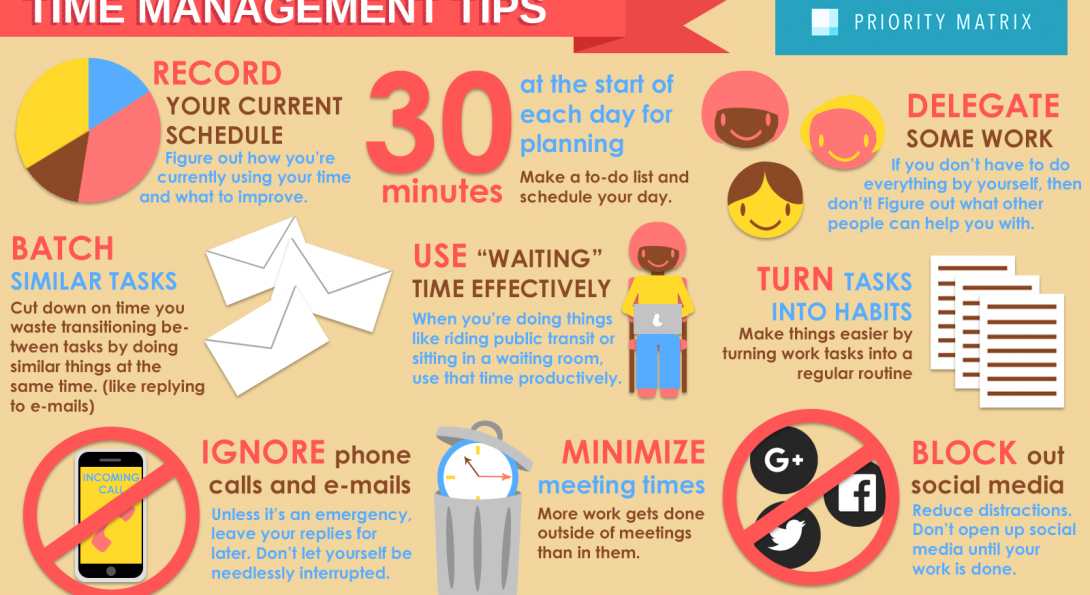
Unlocking Productivity Essential Time Management Skills
Maximizing Your Time: Essential Time Management Tips
In today’s fast-paced world, mastering time management is crucial for success. Whether you’re a student trying to juggle coursework, a professional aiming to meet deadlines, or simply someone looking to make the most out of each day, effective time management skills are indispensable. In this article, we’ll explore some essential tips to help you take control of your time and boost your productivity.
Understanding Your Priorities
One of the first steps in effective time management is understanding your priorities. Take the time to identify your most important tasks and goals, both short-term and long-term. This will help you allocate your time and energy more efficiently, ensuring that you’re focusing on what truly matters.
Creating a Clear Schedule
A clear and organized schedule is essential for effective time management. Take the time to plan out your day, week, or even month, depending on your needs. Use tools like calendars or planners to map out your tasks and appointments, and be sure to allocate sufficient time for each one. By having a clear roadmap of what needs to be done, you’ll be better equipped to stay on track and avoid procrastination.
Setting Realistic Goals
Setting realistic and achievable goals is key to effective time management. Break down larger tasks into smaller, more manageable ones, and set deadlines for each step. This will help prevent overwhelm and ensure that you’re making progress consistently. Be sure to also factor in some buffer time for unexpected delays or challenges that may arise.
Eliminating Time Wasters
Identifying and eliminating time wasters is crucial for maximizing productivity. Take a critical look at your daily habits and routines, and identify any activities that are not contributing to your goals. This could include excessive time spent on social media, unnecessary meetings, or procrastination. By cutting out these time wasters, you’ll free up more time for activities that truly matter.
Prioritizing Tasks Effectively
Not all tasks are created equal, and it’s important to prioritize them accordingly. Use techniques like the Eisenhower Matrix to categorize tasks based on their urgency and importance. Focus on tackling high-priority tasks first, and delegate or defer less important ones when possible. By prioritizing effectively, you’ll ensure that you’re making the most of your time and energy.
Staying Organized
A cluttered workspace can lead to a cluttered mind, making it difficult to focus and stay productive. Take the time to declutter your physical and digital spaces, organizing your files, documents, and belongings in a way that makes sense to you. This will help reduce distractions and streamline your workflow, allowing you to work more efficiently.
Using Time Management Tools
In today’s digital age, there are countless tools and apps available to help you manage your time more effectively. From task management apps to time tracking software, find tools that work for you and integrate them into your daily routine. Experiment with different techniques and methods to see what helps you stay organized and productive.
Taking Regular Breaks
While it
- Marketing Jobs
- April 13, 2024
- 304 views
Navigating Remote Waters Essential Leadership Tips
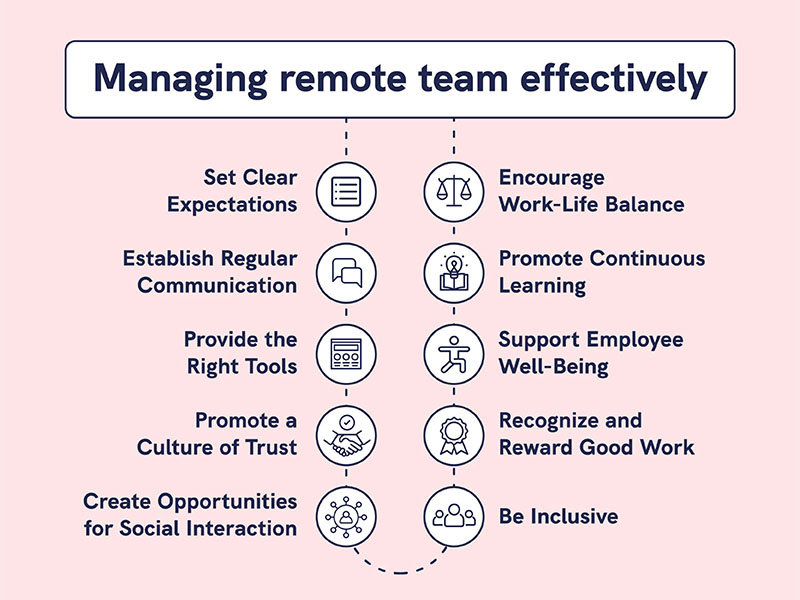
Navigating Remote Waters: Essential Leadership Tips
Embracing the Remote Challenge
In today’s rapidly evolving work landscape, leading remote teams has become more crucial than ever. As businesses adapt to the demands of a globalized world, the ability to effectively manage teams spread across different locations has become a key determinant of success. However, navigating the complexities of remote leadership requires a unique set of skills and strategies.
Building Trust and Communication
One of the cornerstones of successful remote leadership is the establishment of trust and effective communication within the team. When team members are physically distant from each other, it’s essential to foster an environment where everyone feels connected and supported. Regular communication through video calls, emails, and instant messaging platforms can help bridge the gap and ensure that everyone remains aligned with the team’s goals and objectives.
Setting Clear Expectations
Clear communication goes hand in hand with setting clear expectations for remote team members. Leaders should define roles and responsibilities upfront, outlining specific tasks, deadlines, and deliverables. By providing clarity on what is expected from each team member, leaders can minimize confusion and ensure that everyone is working towards a common goal. Regular check-ins and progress updates can help keep everyone on track and accountable for their actions.
Cultivating a Culture of Collaboration
Despite the physical distance, remote teams can still foster a culture of collaboration and teamwork. Leaders should encourage open communication and create opportunities for team members to share ideas, provide feedback, and collaborate on projects. Virtual team-building activities, brainstorming sessions, and collaborative tools can help facilitate interaction and strengthen bonds within the team.
Emphasizing Flexibility and Adaptability
In a remote work environment, flexibility and adaptability are essential qualities for both leaders and team members. Unexpected challenges and disruptions are bound to arise, whether it’s technological issues, personal emergencies, or global events. Leaders should be prepared to adjust their strategies and support their team members through periods of uncertainty. Flexibility in work schedules, deadlines, and communication methods can help accommodate individual needs and preferences.
Promoting Work-Life Balance
Remote work offers the flexibility to work from anywhere, but it can also blur the lines between work and personal life. Leaders play a crucial role in promoting work-life balance and preventing burnout among remote team members. Encouraging regular breaks, setting boundaries around work hours, and offering support for personal well-being can help maintain morale and productivity over the long term.
Investing in Technology and Infrastructure
Effective remote leadership relies heavily on technology and infrastructure to facilitate communication, collaboration, and productivity. Investing in reliable tools and platforms for video conferencing, project management, and document sharing is essential for keeping remote teams connected and organized. Leaders should stay informed about the latest developments in remote work technology and continuously evaluate and upgrade their toolkit to meet the evolving needs of their team.
Providing Ongoing Support and Recognition
Last but not least, remote team members need ongoing support and recognition from their leaders to stay motivated and engaged. Regular feedback, praise for

- Home Products & Services
- April 12, 2024
- 419 views
Lead with Efficiency Time Management Tips for Leaders
- Lead with Efficiency: Time Management Tips for Leaders
- Maximize Leadership Potential with Time Management Strategies
- Unlock Success: Essential Time Management Tips for Leaders
- Time Management Mastery: Tips for Effective Leadership
- Elevate Your Leadership Game with Time Management Tactics
- Streamline Your Schedule: Time Management Tips for Leaders
- Time Management Essentials for Effective Leadership
- Lead by Example: Time Management Tips for Leaders
- Achieve More as a Leader: Time Management Hacks
- Efficient Leadership: Proven Time Management Techniques
- Time Management Secrets for Successful Leaders
- Prioritize Like a Leader: Time Management Tips
- Optimize Your Time: Leadership Time Management Strategies
- Empower Your Leadership Journey with Time Management Tips
- Lead with Purpose: Time Management Techniques for Leaders
- Time Management for Effective Leadership: Insider Tips
- Stay Ahead in Leadership: Time Management Best Practices
- Effective Leadership Through Time Management Mastery
- Master Your Schedule: Time Management for Leaders
- Time Management Tips for Effective Leadership
- Drive Results: Time Management Strategies for Leaders
- Leadership Efficiency: Essential Time Management Tips
- Lead Your Team to Success with Time Management Skills
- Time Management Mastery for Inspirational Leaders
- Unleash Your Leadership Potential: Time Management Advice
- Navigate Leadership Challenges with Time Management Tactics
- Lead with Confidence: Time Management for Effective Leaders
- Leadership Success Starts with Time Management
- Enhance Your Leadership Impact with Time Management Techniques
- Time Management Tips Every Leader Should Know
Read more about time management tips for leaders

- Real Estate
- April 7, 2024
- 417 views
Boost Your Efficiency Time Management Productivity Tips”
Maximizing Productivity with Time Management Tips
Introduction: The Quest for Productivity
In today’s fast-paced world, productivity is a prized asset. With competing demands on our time and attention, mastering time management techniques is essential for achieving peak productivity. In this article, we’ll explore practical time management tips that can help you maximize your productivity and achieve your goals with greater efficiency.
Setting Clear Goals and Priorities
The first step in effective time management is setting clear goals and priorities. Take the time to define what you want to accomplish and identify the tasks that are most important to achieving those goals. By prioritizing your tasks based on their importance and urgency, you can focus your time and energy where it matters most, ensuring that you make meaningful progress towards your objectives.
Creating a Structured Schedule
A structured schedule is essential for effective time management. Block out dedicated time slots for different tasks and activities, including work, meetings, breaks, and personal commitments. Stick to your schedule as much as possible, but also be flexible enough to adapt to unexpected changes or interruptions. By having a clear plan for how you’ll spend your time, you can avoid wasting valuable minutes and ensure that you make the most of each day.
Minimizing Distractions
Distractions are the enemy of productivity. Whether it’s email notifications, social media alerts, or noisy coworkers, distractions can derail your focus and impede your progress. Take proactive steps to minimize distractions and create a distraction-free work environment. This may involve turning off notifications, setting aside designated “focus time” for uninterrupted work, or finding a quiet space where you can concentrate without interruptions.
Utilizing Time Management Tools
In today’s digital age, there are countless tools and apps available to help you manage your time more effectively. From calendar apps and task management software to time tracking tools and productivity plugins, there’s no shortage of resources to streamline your workflow and boost your productivity. Experiment with different tools to find what works best for you, and integrate them into your daily routine to stay organized and on track.
Practicing Time Blocking
Time blocking is a time management technique that involves scheduling specific blocks of time for different tasks or activities. By allocating dedicated time slots for focused work, meetings, and other commitments, you can ensure that you have enough time to complete important tasks without feeling rushed or overwhelmed. Time blocking also helps you create a sense of structure and rhythm to your day, making it easier to stay on track and maintain momentum.
Taking Regular Breaks
While it may seem counterintuitive, taking regular breaks is essential for maintaining productivity over the long term. Research has shown that taking short breaks throughout the day can help improve concentration, boost creativity, and prevent burnout. Schedule regular breaks into your day, and use them to recharge your batteries, stretch your legs, and clear your mind. You’ll return to your work feeling refreshed and ready to tackle the next task with renewed energy.
Practicing Mindfulness

- Event Marketing
- April 6, 2024
- 428 views
Mastering Remote Teams Proven Management Strategies
Maximizing Success: Essential Tips for Managing Teams Remotely
Understanding Remote Team Dynamics
Managing a remote team presents unique challenges compared to traditional in-person teams. Understanding the dynamics at play is crucial for effective leadership. Remote teams often consist of individuals from diverse backgrounds and cultures, spread across different time zones. Recognizing and adapting to these differences is essential for fostering collaboration and productivity.
Establishing Clear Communication Channels
Clear communication is the cornerstone of successful remote team management. Establishing clear communication channels ensures that everyone is on the same page and reduces the risk of misunderstandings. Utilize a combination of video conferencing, instant messaging, email, and project management tools to facilitate communication and collaboration among team members.
Setting Clear Goals and Expectations
Setting clear goals and expectations is essential for remote team success. Clearly define objectives, deadlines, and performance expectations for each team member. This clarity helps team members stay focused and motivated, knowing exactly what is expected of them. Regularly revisit and update goals as needed to adapt to changing circumstances or priorities.
Leveraging Technology for Collaboration
Technology plays a vital role in facilitating collaboration and teamwork in remote teams. Utilize collaboration tools such as Slack, Microsoft Teams, or Zoom to enable real-time communication and collaboration among team members. Project management tools like Asana or Trello can help track progress, assign tasks, and monitor deadlines. Leveraging technology effectively enhances productivity and efficiency in remote teams.
Fostering a Culture of Trust and Accountability
Building trust and accountability is essential for remote team success. Trust your team members to deliver results and empower them to take ownership of their work. Encourage transparency and open communication, and provide regular feedback and support. Establishing a culture of trust and accountability fosters loyalty and commitment among team members, driving overall team performance.
Emphasizing Work-Life Balance
Maintaining work-life balance is crucial for remote team members’ well-being and productivity. Encourage team members to set boundaries between work and personal life and prioritize self-care. Flexibility is a key advantage of remote work, allowing team members to adapt their schedules to accommodate personal commitments and preferences. Emphasizing work-life balance fosters a happier, healthier, and more productive remote team.
Cultivating Team Engagement and Connection
Remote work can sometimes feel isolating, making it essential to cultivate team engagement and connection. Schedule regular team meetings and virtual social events to foster a sense of belonging and camaraderie among team members. Encourage informal interactions and water-cooler chats to simulate the spontaneous connections that occur in an office environment. Cultivating team engagement strengthens bonds and enhances collaboration in remote teams.
Adapting Leadership Styles
Effective leadership in remote teams requires adapting leadership styles to suit the unique challenges of remote work. Empower team members to take initiative and make decisions independently, while providing guidance and support as needed. Be mindful of communication styles and preferences, adapting your approach to accommodate different personalities and communication styles within the team.
Encouraging Continuous Learning and Development
Continuous learning and development are essential for remote team members to stay


