

Neezh
- General Articles
- July 16, 2026
- 72 views
Business Development Planning for Future Expansion
Effective business development planning is the bedrock upon which successful future expansion rests. It involves a systematic approach to identifying new opportunities, defining strategic pathways, and allocating resources to achieve sustained growth. Without a robust plan, businesses risk misdirection, wasted efforts, and failure to capitalize on market potential. This forward-thinking process ensures that expansion is not merely reactive, but a well-orchestrated move designed to strengthen market position and profitability.
Overview
- Business development planning for future expansion requires a clear understanding of current market position and future aspirations.
- It involves setting precise, measurable goals that align with the company’s long-term vision.
- Strategic growth pathways, such as market penetration or diversification, must be carefully selected and tailored.
- Effective resource allocation, including financial capital, human talent, and technological infrastructure, is critical for implementation.
- Continuous monitoring, measurement, and adaptation of the plan are essential for success and agility.
- Risk assessment and the development of contingency strategies are integral to ensuring sustainable growth.
- Leveraging external expertise and digital tools can significantly support the planning and execution phases.
- The entire process is iterative, demanding flexibility and a willingness to adjust strategies based on real-world outcomes.
Understanding Your Current Position and Market Landscape
Before embarking on any expansion journey, a thorough assessment of your present business environment is imperative. This involves an internal review of strengths and weaknesses, alongside an external analysis of opportunities and threats (SWOT analysis). What core competencies does your business possess? Where are there areas for improvement? Simultaneously, a deep dive into the market landscape is necessary. This includes identifying current market trends, understanding customer demographics and their evolving needs, and performing a detailed competitive analysis. Who are your rivals, what are their strategies, and what unique value proposition can your expansion offer that differentiates you? This foundational understanding allows for expansion efforts that are grounded in reality and poised for market acceptance. Understanding the regulatory environment and technological shifts pertinent to your industry is also vital, as these factors can present both challenges and new avenues for growth.
Setting Clear, Measurable Expansion Goals
Vague aspirations rarely lead to tangible results. Successful business expansion requires setting specific, measurable, achievable, relevant, and time-bound (SMART) goals. Instead of simply aiming to “grow the business,” a plan might target “increasing market share in the X region by 15% within the next two years” or “launching three new product lines that capture 10% of their respective niche markets within 18 months.” These goals should be realistic yet ambitious, providing a clear benchmark for success. They must align with the overall strategic vision of the company and be broken down into smaller, actionable milestones. Defining both short-term objectives and long-term strategic aims ensures a balanced approach, allowing for quick wins that build momentum while keeping the ultimate destination in sight. Regular review of these goals helps to keep the team focused and allows for necessary adjustments.
Developing Strategic Growth Pathways
With a clear understanding of your current position and defined goals, the next step is to strategize how

- General Articles
- May 28, 2026
- 79 views
Business Productivity Practices for Sustainable Results
Achieving consistent, long-term success in today’s dynamic business environment demands more than just sporadic bursts of effort; it requires a systematic approach to productivity. Sustainable results stem from ingrained practices that optimize operations, empower people, and foster continuous improvement, ensuring that growth is not only achieved but also maintained over time. These practices build resilience, drive innovation, and ultimately contribute to a more robust and profitable enterprise.
Overview
- Strategic goal alignment provides a clear direction for all business activities, preventing wasted effort.
- Integrating appropriate technology streamlines tasks and automates repetitive processes, freeing up human capital.
- A strong company culture that promotes accountability and active participation is vital for collective output.
- Optimizing workflows by identifying and removing operational bottlenecks enhances efficiency across departments.
- Investing in employee well-being and ongoing skill development boosts morale, retention, and overall capability.
- Utilizing data analytics offers valuable insights for informed decision-making and performance adjustments.
- Regularly reviewing processes and being prepared to adapt to new information or market changes is key to enduring relevance.
Strategic Planning and Goal Alignment for Focus
For productivity to be sustainable, it must be directed toward common objectives. Businesses often struggle when individual efforts are misaligned or when there’s a lack of clarity regarding overarching goals. Effective strategic planning involves setting clear, measurable, achievable, relevant, and time-bound (SMART) goals that cascade from the top level down to individual team members. This ensures every action contributes to the broader vision. Regular communication of these goals, coupled with transparent progress tracking, helps maintain focus and prevents resources from being diverted to non-essential tasks. When everyone understands the ‘why’ behind their work, engagement naturally increases, leading to more purposeful and impactful output.
Leveraging Technology for Operational Efficiency
Technology serves as a powerful accelerator for productivity, but its implementation must be strategic. Simply adopting the latest tools without a clear purpose can introduce more complexity than benefit. The key is to identify specific pain points and processes that can be improved through automation, better data management, or enhanced communication platforms. This includes everything from CRM systems and project management software to accounting automation and collaborative workspaces. Such tools reduce manual errors, speed up routine tasks, and free up employees to focus on higher-value activities that require human intellect and creativity. For instance, platforms that centralize document management or automate reporting can significantly cut down on administrative burdens, allowing teams to dedicate more time to innovation. Companies like powerboss.pt often provide solutions that help businesses manage their operational aspects, leading to improved resource allocation and reduced downtime.
Cultivating a Culture of Accountability and Engagement
Sustainable productivity is not just about tools or processes; it’s deeply rooted in people and the environment they work in. A culture that values accountability means individuals and teams take ownership of their tasks and outcomes. This is fostered through clear expectations, constructive feedback, and recognition of achievements. Engagement goes hand-in-hand with accountability; employees who feel valued, heard, and connected to the company’s mission are more likely to be proactive, innovative, and committed

- General Articles
- April 17, 2026
- 71 views
Business Productivity Practices for Stronger Work Quality
Achieving high work quality is a primary goal for any successful business. It directly impacts customer satisfaction, reputation, and long-term sustainability. While often viewed as separate concepts, productivity and quality are intrinsically linked; efficient processes and well-managed time allow teams to dedicate more focus and precision to their tasks, ultimately leading to superior output. Implementing structured productivity practices is not just about doing more, but about doing things better, ensuring that every effort contributes meaningfully to the business’s objectives and raises the bar for excellence.
Overview
- Strategic planning and clear goal setting provide direction and purpose for all tasks.
- Effective time management techniques help individuals focus on high-impact activities.
- Streamlining workflows eliminates bottlenecks and unnecessary steps, saving time and resources.
- Cultivating an environment of continuous learning keeps skills sharp and adaptable.
- Leveraging appropriate technology automates routine tasks and improves communication.
- Prioritizing employee well-being and engagement leads to a more motivated and productive workforce.
- Regular feedback and performance reviews drive ongoing improvement and accountability.
Strategic Planning and Goal Setting for Quality Output
The foundation of robust work quality begins with clear, strategic planning and well-defined goals. Without a precise understanding of what needs to be achieved and why, efforts can become fragmented and lack direction. Businesses should establish SMART goals (Specific, Measurable, Achievable, Relevant, Time-bound) at both the organizational and individual levels. This ensures that every team member understands their contribution to the larger picture. Regular reviews of these goals help keep projects on track and allow for adjustments as circumstances evolve. Breaking down large objectives into smaller, manageable tasks makes them less daunting and easier to execute with precision, directly influencing the quality of each completed segment.
Implementing Effective Time Management Techniques
Effective time management is crucial for improving both individual and team productivity, which in turn elevates work quality. Techniques like the Pomodoro Technique, time blocking, or the Eisenhower Matrix can help employees prioritize tasks and allocate focused time for deep work. Encouraging team members to identify and minimize distractions, such as excessive notifications or non-essential meetings, creates a more conducive environment for concentration. When individuals have dedicated periods free from interruptions, they can apply greater attention to detail and critical thinking, preventing errors and improving the overall caliber of their deliverables. This disciplined approach to time ensures that urgent tasks don’t overshadow important, quality-focused work.
Streamlining Workflows and Business Processes
Inefficient workflows are major detractors from both productivity and work quality. Identifying bottlenecks, redundant steps, and areas of manual repetition can yield significant improvements. Businesses should regularly audit their operational processes with an eye toward simplification and automation. Process mapping can visualize current workflows, making it easier to pinpoint areas for optimization. Standardizing procedures for common tasks not only saves time but also ensures consistency and reduces variability in output, directly contributing to higher quality. Tools that facilitate workflow automation can free up valuable human resources to focus on complex, creative, and quality-critical aspects of their roles, rather than mundane administrative duties.
Fostering a Culture of Continuous Learning

- General Articles
- January 23, 2026
- 71 views
Business Excellence Planning That Supports Growth
Business excellence planning is a strategic framework designed to systematically improve an organization’s performance across all facets, not merely for efficiency, but specifically as a catalyst for sustained growth. It moves beyond traditional quality management by integrating strategic objectives, customer focus, operational efficiency, and innovation into a cohesive system aimed at delivering superior value and expanding market presence. This planning approach helps businesses proactively identify areas for improvement, streamline processes, foster a culture of high performance, and ultimately achieve measurable growth in revenue, market share, and profitability. It recognizes that true growth stems from deeply rooted operational strength and a consistent commitment to stakeholder satisfaction.
Overview
- Business excellence planning systematically improves organizational performance to drive sustained growth.
- It integrates strategic objectives, customer focus, operational efficiency, and innovation for superior value delivery.
- Key principles include strong leadership, data-driven decisions, robust process management, and active employee engagement.
- Implementation involves assessing the current state, setting clear growth goals, formulating strategies, executing plans, and continuous monitoring.
- A culture of continuous learning and adaptability is fundamental for an organization to grow through excellence.
- Growth from excellence initiatives is measured through key performance indicators such as market share, revenue, customer satisfaction, and product innovation.
- The approach emphasizes that growth is a natural outcome of organizational health and a commitment to all stakeholders.
Defining Business Excellence Planning for Sustainable Growth
Business excellence planning is an intentional and structured approach that goes beyond simply meeting standards; it’s about systematically striving for exceptional performance in every area of an organization with the explicit aim of fostering growth. Unlike reactive problem-solving, it’s a proactive framework that integrates an organization’s vision, mission, values, and strategic goals into daily operations. For growth to be sustainable, this planning considers not just internal processes but also external market dynamics, customer needs, and competitive landscapes. It ensures that every improvement made contributes directly to the organization’s capacity to expand its reach, innovate its offerings, and increase its value to customers and shareholders. This holistic perspective ensures that growth isn’t sporadic but rather a consistent outcome of a well-tuned, high-performing business system.
Key Principles of Growth-Oriented Business Excellence
Several core principles underpin business excellence planning when the objective is growth. First among these is leadership commitment, where senior leaders champion the vision for excellence and actively participate in its implementation, communicating its importance for the company’s future expansion. Second, customer focus is paramount; understanding evolving customer needs and delivering exceptional value directly fuels market share growth and loyalty. Third, data-driven decision making ensures that strategies for growth are based on objective analysis, allowing for precise targeting of improvement areas and effective allocation of resources. Fourth, process management focuses on optimizing workflows, eliminating waste, and improving efficiency, which in turn frees up resources for innovation and expansion. Fifth, people engagement and empowerment create an environment where employees are motivated to contribute to excellence and identify opportunities for growth, knowing their contributions matter. Finally, continuous learning and innovation are vital, ensuring the organization remains agile, adaptable, and

- Arts & Entertainment
- May 27, 2024
- 459 views
Mastering Startup Integration Key Strategies Unveiled
Introduction
In the dynamic world of entrepreneurship, launching a startup is just the beginning of the journey. The real challenge lies in seamlessly integrating the startup into existing systems and processes to ensure sustainable growth and success. In this article, we’ll delve into the key strategies for mastering startup integration, uncovering the essential steps that pave the way for a smooth transition and long-term viability.
Understanding the Landscape
Before diving into startup integration, it’s crucial to gain a thorough understanding of the business landscape. This involves conducting comprehensive research to identify potential synergies, challenges, and opportunities. By analyzing market trends, competitor strategies, and customer needs, entrepreneurs can develop a strategic roadmap for integration that aligns with their overarching goals and objectives.
Establishing Clear Objectives
One of the fundamental aspects of mastering startup integration is establishing clear and achievable objectives. Whether it’s expanding market reach, enhancing product offerings, or improving operational efficiency, having well-defined goals provides a roadmap for guiding integration efforts. By setting measurable targets and milestones, entrepreneurs can track progress and make informed decisions to drive the integration process forward.
Cultivating a Culture of Collaboration
Successful startup integration hinges on fostering a culture of collaboration and teamwork within the organization. This involves breaking down silos and encouraging open communication and transparency across departments. By fostering a collaborative environment where ideas can flow freely and cross-functional teams can work together towards common goals, startups can overcome challenges more effectively and capitalize on opportunities for growth.
Prioritizing People and Talent
At the heart of any successful integration effort are the people behind the startup. From founders and executives to employees and stakeholders, investing in talent and nurturing a motivated workforce is essential for driving success. By providing opportunities for professional development, fostering a positive work environment, and recognizing and rewarding contributions, startups can cultivate a loyal and high-performing team that is committed to the company’s success.
Aligning Processes and Systems
Effective startup integration requires aligning processes and systems to ensure seamless operations and scalability. This involves evaluating existing workflows, identifying bottlenecks, and implementing streamlined processes that support growth and innovation. Additionally, integrating compatible technologies and tools can help optimize efficiency and facilitate collaboration across teams, ultimately driving better outcomes for the business.
Embracing Change and Adaptation
In today’s rapidly evolving business landscape, adaptability is key to success. Startup integration is a dynamic process that requires flexibility and the willingness to embrace change. Whether it’s pivoting strategies in response to market shifts or adjusting operations to meet evolving customer needs, startups must remain agile and proactive in navigating challenges and seizing new opportunities as they arise.
Measuring Success and Iterating
Finally, mastering startup integration involves continuously measuring success and iterating based on feedback and insights. This requires implementing robust performance metrics and analytics to track key performance indicators (KPIs) and assess the impact of integration efforts. By regularly reviewing progress, identifying areas for improvement, and making data-driven decisions, startups can refine their approach and drive continuous improvement over time.
Conclusion
Mastering startup
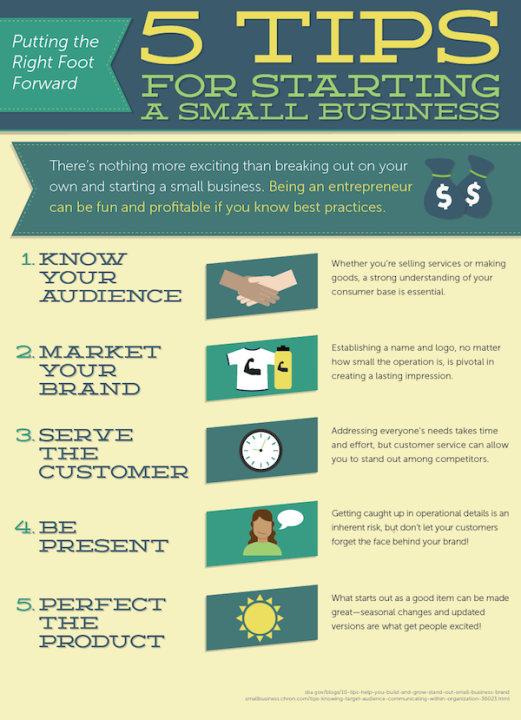
- General Articles
- May 19, 2024
- 467 views
Launching Your Dream Tips for Small Business Success
Launching Your Dream: Tips for Small Business Success
Embarking on the journey of starting your own small business is both exciting and challenging. It requires dedication, resilience, and a solid plan. Here are some expert tips to guide you towards success in launching your dream small business.
Master Your Mindset: The Foundation of Success
The first step in starting a successful small business is to cultivate the right mindset. Believe in yourself and your vision. Stay positive and resilient in the face of challenges. Your mindset will set the tone for how you navigate the ups and downs of entrepreneurship.
From Idea to Income: Essential Steps for Startups
Every successful small business starts with a great idea, but it takes more than just an idea to turn it into a profitable venture. Conduct thorough market research to validate your idea and identify your target audience. This will help you tailor your products or services to meet their needs and preferences.
Navigating Small Business Waters: Expert Advice for Beginners
Starting a small business can be daunting, especially for beginners. Seek guidance from experienced entrepreneurs, mentors, or business advisors. Their insights and advice can help you avoid common pitfalls and make informed decisions as you build your business from the ground up.
Crafting Your Success: The Importance of Planning
A solid business plan is essential for the success of any small business. Outline your business goals, target market, competition analysis, marketing strategies, and financial projections in your plan. It will serve as a roadmap to guide you towards your objectives and attract potential investors.
Building Your Empire: Strategies for Growth and Expansion
While launching your small business is an accomplishment in itself, sustainable growth is the ultimate goal. Develop strategies to scale your business, whether it’s expanding your product line, entering new markets, or diversifying your offerings. Keep an eye on industry trends and adapt your business accordingly.
Elevate Your Venture: Focus on Customer Satisfaction
Your customers are the lifeblood of your small business. Make it a priority to understand their needs and preferences. Provide excellent customer service, gather feedback, and continuously improve your products or services. A satisfied customer is not only a repeat customer but also a loyal advocate for your business.
Trailblazing to Triumph: Overcoming Challenges with Resilience
The road to small business success is not without its challenges. Financial constraints, competition, and unexpected setbacks are all part of the journey. Stay adaptable, learn from failures, and be willing to pivot when necessary. Resilience is key to overcoming obstacles and emerging stronger than before.
Startup Essentials: Financial Management and Budgeting
Effective financial management is crucial for the sustainability of your small business. Keep a close eye on your cash flow, monitor your expenses, and develop a budget that aligns with your business goals. Explore funding options such as loans, grants, or crowdfunding to support your growth.
The Small Business Journey: Embracing Innovation and Creativity
To stand out in the competitive small business landscape, embrace innovation and creativity. Look for


