
Neezh
- Marketing Strategy
- April 19, 2024
- 600 views
Proven Strategies for Starting Your Dream Business
Tips for Starting a Company: Your Roadmap to Entrepreneurial Success So, you’ve got this burning idea, this spark of innovation that’s been keeping you up at night. You’re ready to take the plunge and start your own company. Exciting times ahead! But before you dive headfirst into the entrepreneurial waters, let’s map out your journey with some essential tips to set you on the path to success. Defining Your Vision and Mission Every successful company starts with a clear vision and a strong mission. What problem are you solving? What sets your company apart from the competition? Define your purpose, your values, and the impact you want to make in the world. This will not only guide your decisions but also attract like-minded customers and employees. Research, Research, Research Knowledge is power, especially in the world of business. Research your industry, your target market, and your competitors. Understand the trends, the gaps in the market, and the needs of your potential customers. This groundwork will inform your business strategy and help you make informed decisions every step of the way. Crafting Your Business Plan Consider your business plan as the roadmap for your company’s journey. It outlines your goals, your strategies for achieving them, and the financial projections to make it all happen. From marketing plans to operational details, a well-crafted business plan is your blueprint for success. Building a Solid Team No company is an island, and neither should you be. Surround yourself with a team of talented individuals who share your passion and vision. Whether it’s co-founders, employees, advisors, or mentors, each person brings unique skills and perspectives that can propel your company forward. Legal and Regulatory Considerations Ah, the less glamorous but oh-so-important side of starting a company – the legal stuff. Register your business, obtain necessary licenses and permits, and ensure compliance with local, state, and federal regulations. Consulting with legal professionals can save you headaches down the road. Creating a Strong Brand Identity Your brand is more than just a logo or a name – it’s the essence of your company. Develop a brand identity that resonates with your target audience. From your messaging to your visual elements, consistency is key. A strong brand creates trust, loyalty, and a lasting impression. Marketing and Sales Strategies Now comes the fun part – getting your company out there and attracting customers. Develop a comprehensive marketing strategy that encompasses digital marketing, social media, content creation, and more. Don’t forget about sales – identify your sales channels and tactics to drive revenue. Financial Management and Budgeting Money makes the world go round, especially in the world of business. Set up a solid financial management system from the get-go. Create a budget, track your expenses, manage cash flow, and explore funding options such as loans, investors, or crowdfunding. Financial stability is the backbone of a successful company. Embracing Innovation and Adaptability The business landscape is constantly evolving, so it’s crucial to stay nimble and adaptable. Embrace innovation in your products,

- Market News
- April 9, 2024
- 480 views
The Startup Journey Essential Tips for New Ventures
Embarking on the journey of starting a new business, especially a startup, is both thrilling and challenging. Here are some invaluable tips to help new entrepreneurs navigate the exciting world of startup ventures. Before diving into the details of your business, take the time to define your unique value proposition (UVP). What sets your product or service apart from competitors? Clearly articulate the problem your business solves and the benefits it offers to customers. This will serve as the foundation for your marketing efforts and customer acquisition strategy. Market research is essential for understanding your target market, identifying potential competitors, and validating your business idea. Dive deep into market trends, customer preferences, and industry insights. This knowledge will guide your product development, pricing strategy, and marketing campaigns. A well-crafted business plan is a roadmap for your startup’s success. Outline your business goals, target market, competition analysis, marketing strategy, financial projections, and operational plan. A detailed plan not only helps you stay focused but also attracts potential investors or lenders. Startup ventures often require capital to cover initial expenses such as product development, marketing, and operational costs. Explore funding options such as bootstrapping, loans, angel investors, venture capital, or crowdfunding. Determine how much capital you need and create a solid financial plan to manage funds effectively. In today’s digital age, having a strong online presence is crucial for startup success. Create a professional website that showcases your products or services, provides valuable information to customers, and facilitates online transactions. Utilize social media platforms to engage with your target audience, build brand awareness, and drive traffic to your website. Acquiring and retaining customers is vital for startup growth. Develop a comprehensive marketing strategy that includes tactics for reaching your target audience, generating leads, and converting them into paying customers. Implement customer relationship management (CRM) tools to nurture relationships and encourage repeat business. Startups thrive on innovation and agility. Stay nimble and open to adapting your business model based on market feedback and changing trends. Encourage creativity and experimentation within your team, and be willing to pivot or iterate on your products or services as needed. A positive company culture is the backbone of a successful startup. Define your core values, mission, and vision, and ensure they are reflected in every aspect of your business. Foster a collaborative and inclusive work environment where employees feel valued, motivated, and empowered to contribute their best. Networking with fellow entrepreneurs, industry professionals, and potential partners can open doors to new opportunities and collaborations. Attend industry events, join startup accelerators or incubators, and participate in local business communities. Building a strong network can provide valuable insights, mentorship, and support for your startup journey. Efficient operations are essential for startup success, especially when resources are Define Your Unique Value Proposition
Conduct Thorough Market Research
Create a Solid Business Plan
Secure Adequate Funding
Build a Strong Online Presence
Focus on Customer Acquisition and Retention
Embrace Innovation and Agility
Cultivate a Strong Company Culture
Network and Collaborate
Prioritize Operational Efficiency

- Guerilla Marketing
- April 9, 2024
- 426 views
Launching Your Dream Essential Business Setup Tips
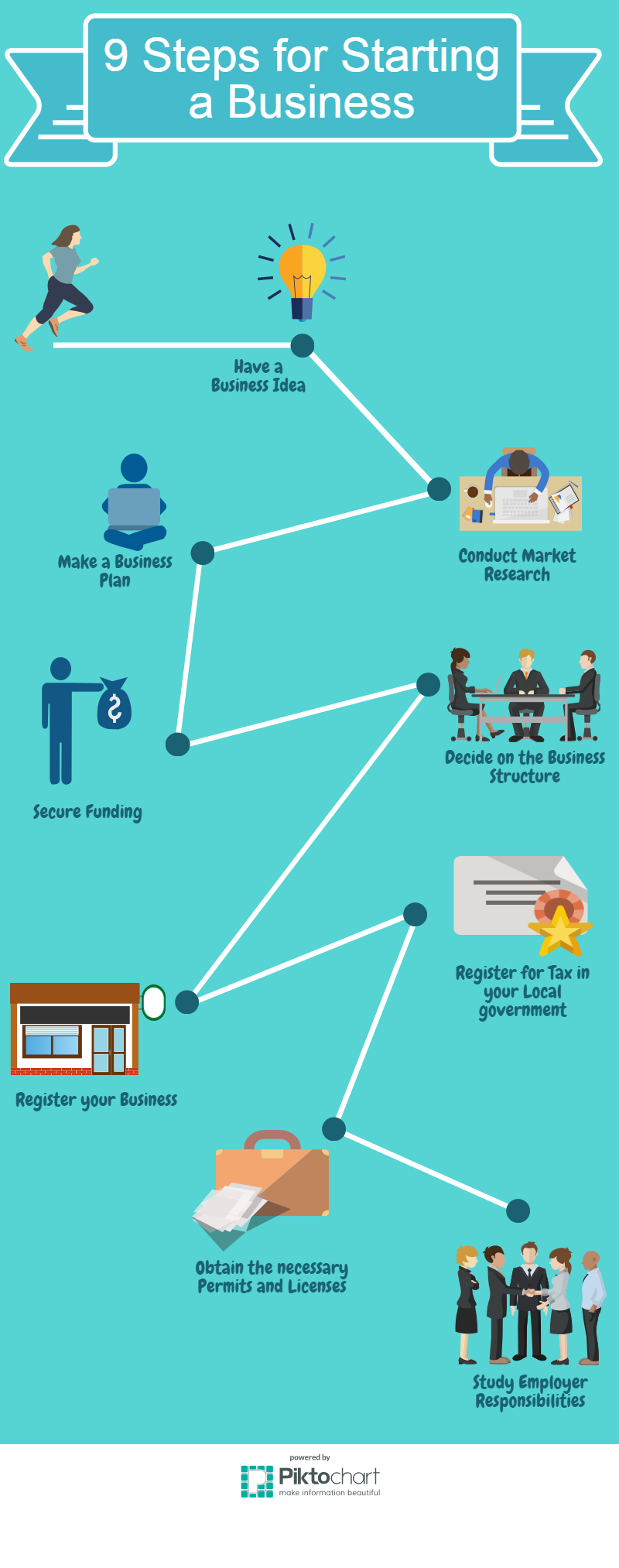
Setting up a business can be an exhilarating yet daunting journey for aspiring entrepreneurs. From crafting your idea to launching your venture, here are some essential tips to guide you through the process. The first step in setting up a successful business is defining your idea. What products or services will you offer? Who is your target market? Conduct thorough market research to understand your industry, competition, and potential customer needs. This will lay the foundation for a solid business plan. A well-thought-out business plan is crucial for the success of your venture. Outline your business goals, mission statement, target market analysis, marketing strategies, financial projections, and operational plans. This document will serve as your roadmap and guide your decision-making as you move forward. Market research is key to understanding your industry landscape and identifying opportunities for growth. Analyze market trends, customer preferences, and competitor strategies. This information will help you position your business effectively and develop products or services that meet market demands. Starting a business often requires a significant amount of capital. Explore different funding options such as personal savings, loans, investors, or crowdfunding. Calculate your startup costs, operating expenses, and projected revenue to determine how much funding you need to launch and sustain your business. Selecting the appropriate business structure is crucial for legal and tax purposes. Options include sole proprietorship, partnership, limited liability company (LLC), corporation, and more. Each structure has its own advantages and implications, so consult with legal and financial advisors to make the best choice for your business. Once you’ve chosen a business structure, it’s time to register your venture with the appropriate authorities. This typically involves registering your business name, obtaining permits or licenses, and complying with local, state, and federal regulations. Ensure you have all the necessary paperwork in order to operate legally. In today’s digital age, having a strong online presence is essential for business success. Create a professional website that showcases your products or services, provides contact information, and facilitates online transactions. Utilize social media platforms to engage with your target audience and build brand awareness. A solid marketing strategy is crucial for attracting customers and generating sales. Identify your target market segments, create a unique value proposition, and determine the best channels to reach your audience. This might include digital marketing, traditional advertising, networking events, or collaborations with other businesses. As your business grows, you may need to hire employees to support your operations. Take the time to recruit talented individuals who align with your company culture and share your vision. Provide training and opportunities for professional development to ensure your team is equipped for success. The business landscape is constantly evolving, so it’s important to stay flexible and adapt to changes. Monitor industry trends, customer feedback, and Define Your Business Idea
Create a Detailed Business Plan
Conduct Market Research
Secure Adequate Funding
Choose the Right Business Structure
Register Your Business
Build a Strong Online Presence
Develop a Marketing Strategy
Hire the Right Team
Stay Flexible and Adapt


