

The Thrifty Entrepreneur’s Guide Business Under 10K
Unlocking the Secrets of Thrifty Entrepreneurship Starting Small, Dreaming Big In the ever-evolving landscape of entrepreneurship, one truth remains constant: you don’t always need a hefty bankroll to kickstart your dreams. With the rise of the thrifty entrepreneur, individuals are rewriting the playbook, proving that success can be achieved with a modest investment. The journey begins with a mindset shift – one that embraces resourcefulness, creativity, and strategic planning. Identifying Opportunity Amidst Constraints Thrifty entrepreneurs understand the importance of identifying the right opportunity, especially when working with limited resources. Rather than chasing after grandiose ideas that require substantial capital, they focus on niches and markets where they can make a meaningful impact without breaking the bank. This involves careful research, market analysis, and a keen eye for spotting gaps and inefficiencies that others may overlook. Embracing the Art of Bootstrapping At the heart of thrifty entrepreneurship lies the art of bootstrapping – the practice of starting and growing a business with minimal external capital. Bootstrappers leverage personal savings, credit cards, and sweat equity to fund their ventures, allowing them to maintain control and autonomy over their businesses. By prioritizing essential expenses, minimizing overhead, and maximizing efficiency, bootstrappers stretch every dollar to its fullest potential. Strategic Investment: Making Every Penny Count Thrifty entrepreneurs understand the value of strategic investment. Rather than splurging on flashy marketing campaigns or unnecessary luxuries, they allocate their limited funds to initiatives that deliver the highest return on investment. This might involve investing in product development, customer acquisition, or building strategic partnerships that open doors to new opportunities. Every penny is carefully considered and strategically deployed to drive growth and sustainability. Leveraging Technology for Efficiency and Scale In today’s digital age, technology is a powerful ally for thrifty entrepreneurs. From cloud-based productivity tools to social media marketing platforms, technology enables entrepreneurs to automate tasks, streamline processes, and reach a broader audience at minimal cost. By embracing technology, thrifty entrepreneurs can level the playing field, competing with larger, more established players without the need for a hefty budget. Building a Lean, Agile Organization Thrifty entrepreneurs understand the importance of building lean, agile organizations that can adapt and evolve in response to changing market conditions. Rather than hiring a large team from the outset, they prioritize hiring key talent and outsourcing non-core functions to freelancers and contractors. This allows them to maintain flexibility, minimize fixed costs, and scale their operations as needed without overextending their resources. Fostering a Culture of Innovation and Experimentation In the world of thrifty entrepreneurship, experimentation is key. Thrifty entrepreneurs are not afraid to take calculated risks, test new ideas, and pivot in response to feedback and market dynamics. By fostering a culture of innovation and experimentation, they continuously refine their offerings, optimize their processes, and stay ahead of the competition without breaking the bank. Nurturing Customer Relationships for Long-Term Success Thrifty entrepreneurs understand that building a successful business is not just about making sales – it’s about building lasting relationships with customers. By providing

Neezh
- Internet Services
- May 6, 2024
- 460 views
Small Investment, Big Returns Launching Under $10K
The Thrifty Entrepreneur’s Guide to Success In the vast world of entrepreneurship, one prevailing myth often holds aspiring business owners back: the belief that significant capital is a prerequisite for success. However, a growing number of savvy entrepreneurs are disproving this notion by launching thriving businesses with minimal investment. Through resourcefulness, creativity, and strategic planning, these individuals are demonstrating that you don’t need a hefty bankroll to achieve significant returns. This article explores the strategies and mindset necessary for launching a successful business with under $10,000. Identifying the Right Opportunity The first step in launching a business on a shoestring budget is to identify the right opportunity. Rather than chasing after glamorous, high-cost ventures, successful thrifty entrepreneurs focus on ideas that require minimal initial investment. This might involve leveraging existing skills or tapping into underserved niche markets where competition is limited. By choosing the right opportunity, entrepreneurs can maximize their chances of success while keeping costs low. Bootstrapping: Making the Most of Limited Resources Bootstrapping is a core strategy for entrepreneurs launching businesses with limited capital. This approach involves using existing resources, such as personal savings, credit cards, or loans from friends and family, to fund the initial stages of the business. By carefully managing expenses and prioritizing essential investments, bootstrapping allows entrepreneurs to stretch their limited funds further and maintain control over their business’s direction. Focus on Minimum Viable Product (MVP) In the early stages of building a business under $10,000, it’s essential to focus on developing a minimum viable product (MVP). Rather than pouring resources into building a fully-featured product or service, entrepreneurs should prioritize delivering a basic version that addresses the core needs of their target market. This approach allows for rapid iteration based on customer feedback while minimizing upfront development costs. Embracing DIY Culture Thrifty entrepreneurs are masters of the do-it-yourself (DIY) ethos. From website design and branding to marketing and customer service, these individuals are willing to roll up their sleeves and handle tasks traditionally outsourced to professionals. By learning new skills and leveraging free or low-cost resources available online, entrepreneurs can significantly reduce their operating expenses and retain greater control over their business operations. Strategic Partnerships and Collaboration Collaboration is another powerful tool in the thrifty entrepreneur’s toolkit. By forming strategic partnerships with complementary businesses or leveraging existing networks, entrepreneurs can access resources, expertise, and customer bases that would otherwise be out of reach. Whether it’s co-marketing campaigns, joint ventures, or shared workspace arrangements, collaboration enables entrepreneurs to achieve more with less. Leveraging Technology for Efficiency In today’s digital age, technology offers countless opportunities for entrepreneurs to streamline operations and reduce costs. Whether it’s cloud-based productivity tools, online marketing platforms, or virtual communication solutions, leveraging technology allows entrepreneurs to automate repetitive tasks, reach a wider audience, and operate more efficiently. By embracing technology, thrifty entrepreneurs can achieve greater scalability and competitiveness without breaking the bank. Focus on Customer Acquisition and Retention For entrepreneurs launching businesses under $10,000, every dollar spent on customer acquisition must
- Marketing Strategy
- April 19, 2024
- 600 views
Proven Strategies for Starting Your Dream Business
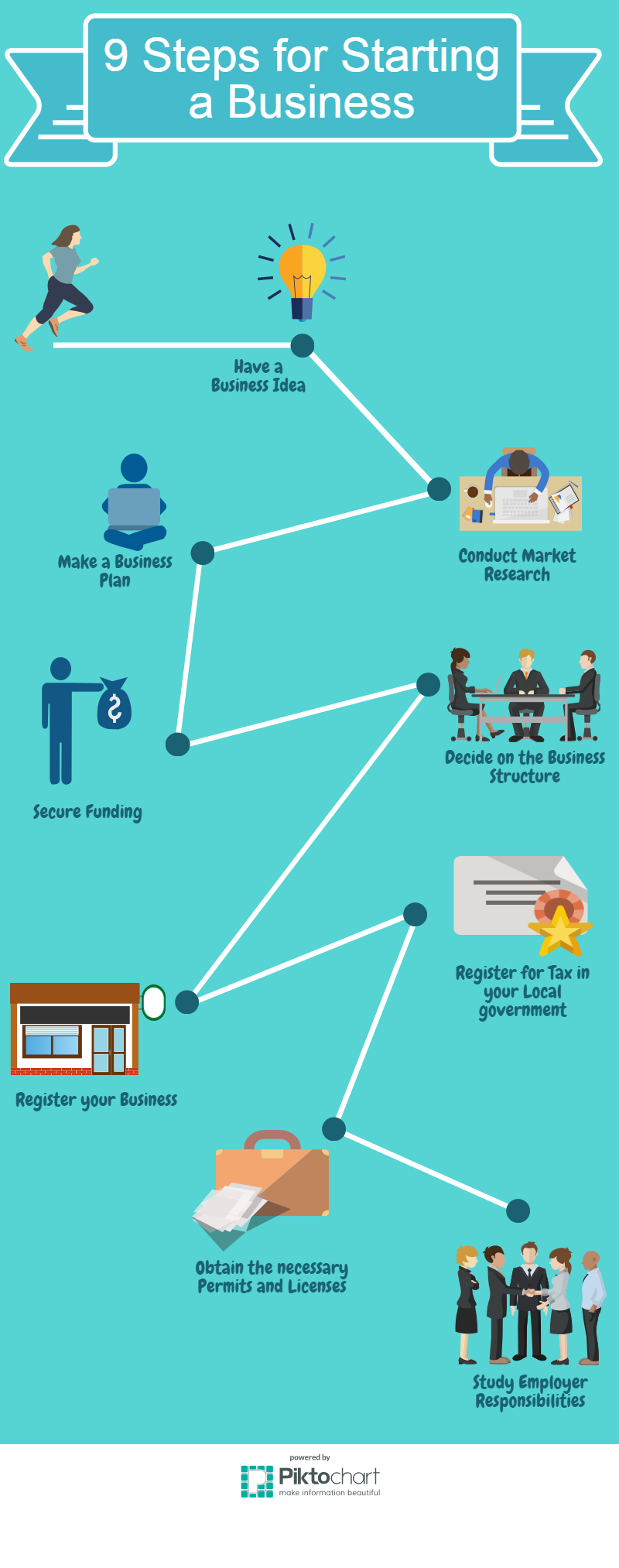
Tips for Starting a Company: Your Roadmap to Entrepreneurial Success So, you’ve got this burning idea, this spark of innovation that’s been keeping you up at night. You’re ready to take the plunge and start your own company. Exciting times ahead! But before you dive headfirst into the entrepreneurial waters, let’s map out your journey with some essential tips to set you on the path to success. Defining Your Vision and Mission Every successful company starts with a clear vision and a strong mission. What problem are you solving? What sets your company apart from the competition? Define your purpose, your values, and the impact you want to make in the world. This will not only guide your decisions but also attract like-minded customers and employees. Research, Research, Research Knowledge is power, especially in the world of business. Research your industry, your target market, and your competitors. Understand the trends, the gaps in the market, and the needs of your potential customers. This groundwork will inform your business strategy and help you make informed decisions every step of the way. Crafting Your Business Plan Consider your business plan as the roadmap for your company’s journey. It outlines your goals, your strategies for achieving them, and the financial projections to make it all happen. From marketing plans to operational details, a well-crafted business plan is your blueprint for success. Building a Solid Team No company is an island, and neither should you be. Surround yourself with a team of talented individuals who share your passion and vision. Whether it’s co-founders, employees, advisors, or mentors, each person brings unique skills and perspectives that can propel your company forward. Legal and Regulatory Considerations Ah, the less glamorous but oh-so-important side of starting a company – the legal stuff. Register your business, obtain necessary licenses and permits, and ensure compliance with local, state, and federal regulations. Consulting with legal professionals can save you headaches down the road. Creating a Strong Brand Identity Your brand is more than just a logo or a name – it’s the essence of your company. Develop a brand identity that resonates with your target audience. From your messaging to your visual elements, consistency is key. A strong brand creates trust, loyalty, and a lasting impression. Marketing and Sales Strategies Now comes the fun part – getting your company out there and attracting customers. Develop a comprehensive marketing strategy that encompasses digital marketing, social media, content creation, and more. Don’t forget about sales – identify your sales channels and tactics to drive revenue. Financial Management and Budgeting Money makes the world go round, especially in the world of business. Set up a solid financial management system from the get-go. Create a budget, track your expenses, manage cash flow, and explore funding options such as loans, investors, or crowdfunding. Financial stability is the backbone of a successful company. Embracing Innovation and Adaptability The business landscape is constantly evolving, so it’s crucial to stay nimble and adaptable. Embrace innovation in your products,


