
Neezh
- Market News
- April 8, 2024
- 314 views
Essential Preparations for Launching Your Own Business
Essential Preparations for Launching Your Own Business
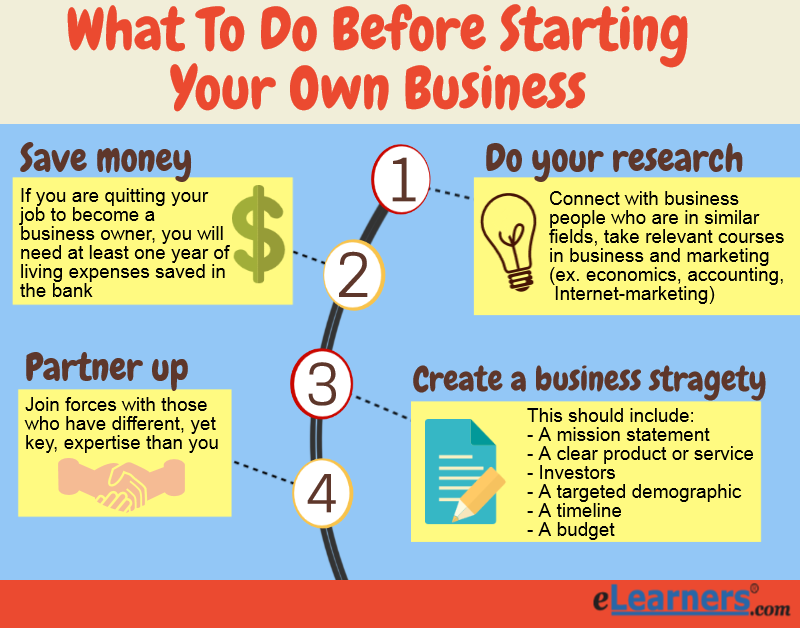
Starting your own business is a thrilling endeavor, but it’s not one to rush into blindly. Before you take the leap into entrepreneurship, there are crucial steps you need to take to ensure your venture has the best chance of success. Here, we’ll delve into some essential preparations you should make before launching your own business.
Clarify Your Business Idea
The first step in starting a business is to have a clear and viable business idea. Take the time to thoroughly research and refine your concept. What problem does your product or service solve? Who are your target customers? Is there a demand for what you’re offering? By answering these questions, you’ll gain valuable insights into the viability of your business idea.
Conduct Market Research
Market research is essential for understanding your target market, competition, and industry trends. Use a combination of primary research (surveys, interviews) and secondary research (industry reports, market data) to gather information. Analyze your findings to identify opportunities and potential challenges. This data will inform your business strategy and help you make informed decisions moving forward.
Develop a Solid Business Plan
A business plan serves as a roadmap for your business, outlining your goals, strategies, and financial projections. Take the time to create a comprehensive business plan that covers all aspects of your venture, including your product or service, target market, marketing and sales strategies, operations plan, and financial forecasts. A well-thought-out business plan will not only guide your actions but also serve as a valuable tool when seeking funding or partnerships.
Secure Adequate Funding
Launching a business requires capital, whether it’s to cover initial startup costs, operational expenses, or expansion plans. Evaluate your financial needs and explore various funding options, such as bootstrapping, loans, investors, or crowdfunding. Be realistic about your financial projections and ensure you have a solid plan for generating revenue and managing expenses.
Choose the Right Legal Structure
The legal structure you choose for your business will have implications for taxes, liability, and ownership. Common options include sole proprietorship, partnership, limited liability company (LLC), and corporation. Research each structure carefully and consider factors such as ease of setup, liability protection, and tax implications. Consult with a legal advisor to determine the best fit for your business.
Build Your Brand Identity
Your brand is more than just a logo and a name – it’s the essence of your business and how you want to be perceived by your customers. Develop a strong brand identity that reflects your values, mission, and unique selling proposition. This includes creating a memorable logo, choosing brand colors and fonts, and crafting a compelling brand story. Consistency is key across all brand touchpoints, from your website and marketing materials to your customer service interactions.
Set Up Your Infrastructure
Before launching your business, you’ll need to set up the necessary infrastructure to support your operations. This includes establishing a physical location (if applicable), setting up your website and online presence, implementing business systems


