

Maximizing Efficiency Tips for Home Business Owners
Running a small business from the comfort of your home can be a dream come true for many entrepreneurs. However, it comes with its unique set of challenges and considerations. Here are some expert tips to help you navigate the world of home-based entrepreneurship and set yourself up for success.
Create a Dedicated Workspace
One of the first steps to running a successful home business is creating a dedicated workspace. This space should be separate from your living area, preferably in a quiet and organized environment. Having a designated workspace helps you stay focused, organized, and in the right mindset for work.
Set Clear Boundaries
When working from home, it can be tempting to blur the lines between work and personal life. Setting clear boundaries is crucial to maintain a healthy work-life balance. Establish set working hours and communicate them to your family members or housemates. This way, you can minimize distractions and maximize productivity during your work hours.
Invest in the Right Equipment
To operate efficiently, you’ll need the right tools and equipment for your home business. This might include a reliable computer, high-speed internet connection, printer, scanner, and any industry-specific tools or software. Investing in quality equipment upfront can save you time and frustration down the line.
Develop a Solid Business Plan
A solid business plan is the foundation of any successful venture. Define your business goals, target market, products or services, marketing strategies, and financial projections. A well-thought-out plan will guide your decisions, help you stay focused, and measure your progress over time.
Stay Organized with Systems and Processes
Efficient systems and processes are essential for running a smooth operation. Implement tools such as project management software, accounting software, or customer relationship management (CRM) systems to streamline tasks and workflows. This will save you time and energy, allowing you to focus on growing your business.
Market Your Business Effectively
Marketing plays a crucial role in the success of any business, especially for small home-based ventures. Utilize a mix of online and offline marketing strategies to reach your target audience. This might include social media marketing, email campaigns, networking events, local advertising, and collaborations with other businesses.
Embrace Flexibility and Adaptability
The landscape of business is constantly evolving, and as a home-based entrepreneur, you need to be flexible and adaptable. Stay informed about industry trends, consumer preferences, and emerging technologies. Be open to pivoting your business model or adjusting your strategies as needed to stay competitive.
Nurture Your Online Presence
In today’s digital age, having a strong online presence is non-negotiable. Create a professional website that showcases your products or services, provides valuable information to customers, and facilitates easy contact. Additionally, maintain active social media profiles to engage with your audience and build brand awareness.
Prioritize Customer Service
Exceptional customer service can set your home business apart from the competition. Treat every customer interaction as an opportunity to exceed expectations and build loyalty. Respond promptly to inquiries, address any concerns or complaints with care, and go the extra
.jpg "Efficient Time Management Techniques for Busy Days")
Neezh
- Web Resources
- April 16, 2024
- 397 views
Efficient Time Management Techniques for Busy Days
Time Management Secrets for Peak Productivity
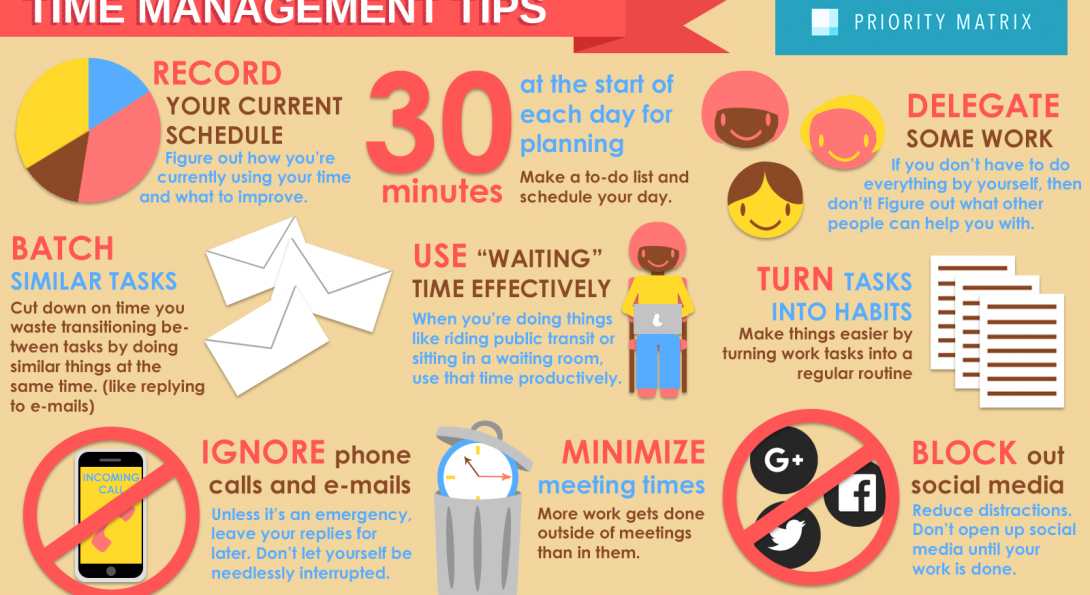
In today’s fast-paced world, mastering the art of time management is crucial for achieving success and maintaining a healthy work-life balance. With so many tasks vying for our attention, it’s easy to feel overwhelmed and stressed. However, by implementing effective time management strategies, you can take control of your schedule and boost your productivity like never before.
The Importance of Prioritization
One of the fundamental principles of time management is prioritization. It’s essential to identify the tasks that are most important and urgent and tackle them first. By prioritizing your tasks, you can ensure that you’re focusing your time and energy on the activities that will have the greatest impact on your goals. Whether it’s meeting deadlines at work or spending quality time with your loved ones, prioritization allows you to allocate your resources wisely and achieve optimal results.
Setting Clear Goals and Deadlines
Another key aspect of effective time management is setting clear goals and deadlines. Without specific objectives to work towards, it’s easy to lose sight of what needs to be accomplished and become distracted by less important tasks. By setting realistic and achievable goals for yourself, you can stay focused and motivated, knowing exactly what you need to accomplish and by when. Additionally, establishing deadlines helps create a sense of urgency and prevents procrastination, ensuring that you stay on track and meet your objectives in a timely manner.
Eliminating Time Wasters
In today’s digital age, it’s all too easy to fall into the trap of wasting time on non-essential activities such as scrolling through social media or responding to unnecessary emails. To maximize your productivity, it’s essential to identify and eliminate these time-wasting habits. Set boundaries around your use of technology, such as designating specific times for checking emails or browsing the internet. By minimizing distractions and staying focused on your priorities, you can make the most of your time and accomplish more in less time.
The Power of Time Blocking
Time blocking is a highly effective time management technique that involves allocating specific blocks of time to different tasks or activities. By breaking your day into dedicated time slots for work, leisure, and personal tasks, you can ensure that you’re making progress on your most important priorities while still allowing time for relaxation and self-care. Time blocking helps you stay organized and disciplined, allowing you to manage your time more effectively and make the most of every hour in your day.
Learning to Delegate
One of the biggest challenges of time management is trying to do everything yourself. However, trying to juggle too many tasks at once can lead to burnout and inefficiency. Learning to delegate tasks to others is a crucial skill that can help you free up valuable time and focus on the activities that truly matter. Whether it’s assigning projects to colleagues at work or enlisting the help of family members at home, delegating allows you to leverage the strengths and abilities of others, while also lightening
- Miscellaneous
- April 15, 2024
- 464 views
Unlocking Productivity Essential Time Management Skills
Maximizing Your Time: Essential Time Management Tips
In today’s fast-paced world, mastering time management is crucial for success. Whether you’re a student trying to juggle coursework, a professional aiming to meet deadlines, or simply someone looking to make the most out of each day, effective time management skills are indispensable. In this article, we’ll explore some essential tips to help you take control of your time and boost your productivity.
Understanding Your Priorities
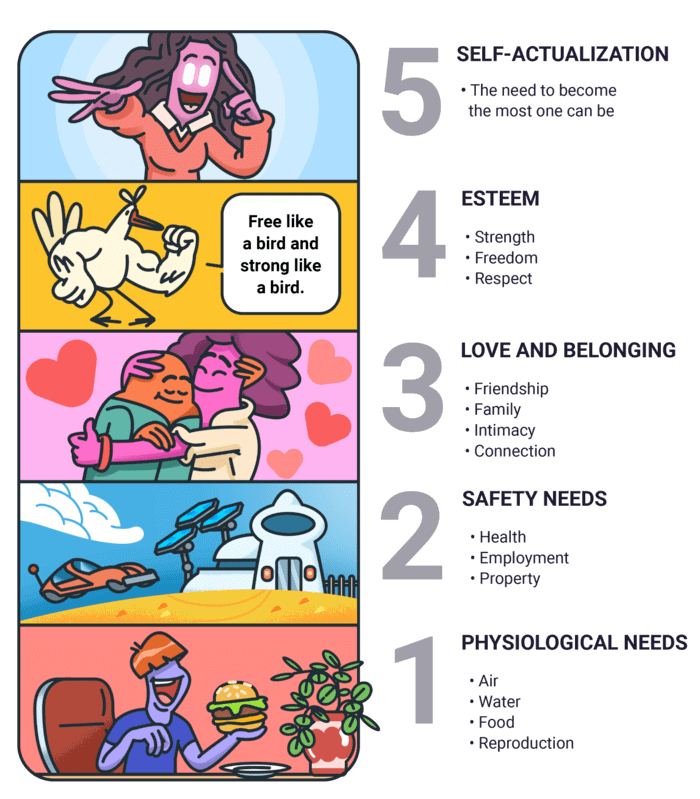
One of the first steps in effective time management is understanding your priorities. Take the time to identify your most important tasks and goals, both short-term and long-term. This will help you allocate your time and energy more efficiently, ensuring that you’re focusing on what truly matters.
Creating a Clear Schedule
A clear and organized schedule is essential for effective time management. Take the time to plan out your day, week, or even month, depending on your needs. Use tools like calendars or planners to map out your tasks and appointments, and be sure to allocate sufficient time for each one. By having a clear roadmap of what needs to be done, you’ll be better equipped to stay on track and avoid procrastination.
Setting Realistic Goals
Setting realistic and achievable goals is key to effective time management. Break down larger tasks into smaller, more manageable ones, and set deadlines for each step. This will help prevent overwhelm and ensure that you’re making progress consistently. Be sure to also factor in some buffer time for unexpected delays or challenges that may arise.
Eliminating Time Wasters
Identifying and eliminating time wasters is crucial for maximizing productivity. Take a critical look at your daily habits and routines, and identify any activities that are not contributing to your goals. This could include excessive time spent on social media, unnecessary meetings, or procrastination. By cutting out these time wasters, you’ll free up more time for activities that truly matter.
Prioritizing Tasks Effectively
Not all tasks are created equal, and it’s important to prioritize them accordingly. Use techniques like the Eisenhower Matrix to categorize tasks based on their urgency and importance. Focus on tackling high-priority tasks first, and delegate or defer less important ones when possible. By prioritizing effectively, you’ll ensure that you’re making the most of your time and energy.
Staying Organized
A cluttered workspace can lead to a cluttered mind, making it difficult to focus and stay productive. Take the time to declutter your physical and digital spaces, organizing your files, documents, and belongings in a way that makes sense to you. This will help reduce distractions and streamline your workflow, allowing you to work more efficiently.
Using Time Management Tools
In today’s digital age, there are countless tools and apps available to help you manage your time more effectively. From task management apps to time tracking software, find tools that work for you and integrate them into your daily routine. Experiment with different techniques and methods to see what helps you stay organized and productive.
Taking Regular Breaks
While it
- Event Marketing
- April 15, 2024
- 411 views
Mastering Time Management Essential Tips for Efficiency
Mastering Time Management: Essential Tips for Efficiency
In today’s fast-paced world, mastering time management is essential for success. With numerous tasks competing for our attention, it’s easy to feel overwhelmed and fall behind. However, by implementing effective time management strategies, you can take control of your schedule and boost your productivity. In this article, we’ll explore some essential tips to help you manage your time more efficiently and achieve your goals.
Set Clear Goals and Prioritize Tasks
One of the first steps to effective time management is setting clear goals and priorities. Without a clear sense of what you want to accomplish, it’s easy to get sidetracked by less important tasks. Take some time to identify your long-term goals and break them down into smaller, actionable steps. Once you have a clear roadmap, prioritize your tasks based on their importance and urgency. This will help you focus your time and energy on the activities that will bring you closer to your goals.
Use Time Blocking to Schedule Your Day
Time blocking is a powerful time management technique that involves allocating specific blocks of time for different tasks or activities. By blocking out dedicated time for tasks such as email, meetings, and focused work, you can avoid distractions and make better use of your time. Start by identifying your most productive hours and scheduling your most important tasks during that time. Be sure to also schedule regular breaks to rest and recharge throughout the day.
Minimize Distractions and Avoid Multitasking
In today’s digital age, distractions are everywhere. From email notifications to social media alerts, it’s easy to get pulled away from your work. To improve your focus and productivity, take steps to minimize distractions in your environment. This may include turning off notifications, closing unnecessary browser tabs, and finding a quiet space to work. Additionally, avoid the temptation to multitask, as research has shown that multitasking can actually decrease productivity and increase stress.
Learn to Delegate and Say No
One of the biggest challenges to effective time management is learning to delegate tasks and say no to non-essential commitments. Many people struggle with delegating tasks because they fear losing control or appearing incompetent. However, delegating tasks to others can free up valuable time and allow you to focus on higher-priority activities. Similarly, learn to say no to requests or commitments that don’t align with your goals or values. While it can be difficult to turn down opportunities, saying no can help you protect your time and energy for the things that truly matter.
Practice Time Management Techniques Consistently
Like any skill, effective time management requires practice and consistency. Make a habit of reviewing your goals and priorities regularly, and adjust your schedule as needed to stay on track. Experiment with different time management techniques to find what works best for you, whether it’s the Pomodoro Technique, the Eisenhower Matrix, or time blocking. By making time management a priority in your daily life, you can increase your productivity, reduce stress, and achieve

- Home Products & Services
- April 12, 2024
- 411 views
Lead with Efficiency Time Management Tips for Leaders
- Lead with Efficiency: Time Management Tips for Leaders
- Maximize Leadership Potential with Time Management Strategies
- Unlock Success: Essential Time Management Tips for Leaders
- Time Management Mastery: Tips for Effective Leadership
- Elevate Your Leadership Game with Time Management Tactics
- Streamline Your Schedule: Time Management Tips for Leaders
- Time Management Essentials for Effective Leadership
- Lead by Example: Time Management Tips for Leaders
- Achieve More as a Leader: Time Management Hacks
- Efficient Leadership: Proven Time Management Techniques
- Time Management Secrets for Successful Leaders
- Prioritize Like a Leader: Time Management Tips
- Optimize Your Time: Leadership Time Management Strategies
- Empower Your Leadership Journey with Time Management Tips
- Lead with Purpose: Time Management Techniques for Leaders
- Time Management for Effective Leadership: Insider Tips
- Stay Ahead in Leadership: Time Management Best Practices
- Effective Leadership Through Time Management Mastery
- Master Your Schedule: Time Management for Leaders
- Time Management Tips for Effective Leadership
- Drive Results: Time Management Strategies for Leaders
- Leadership Efficiency: Essential Time Management Tips
- Lead Your Team to Success with Time Management Skills
- Time Management Mastery for Inspirational Leaders
- Unleash Your Leadership Potential: Time Management Advice
- Navigate Leadership Challenges with Time Management Tactics
- Lead with Confidence: Time Management for Effective Leaders
- Leadership Success Starts with Time Management
- Enhance Your Leadership Impact with Time Management Techniques
- Time Management Tips Every Leader Should Know
Read more about time management tips for leaders
- Guerilla Marketing
- April 12, 2024
- 455 views
Efficient Time Handling Practical Tips for Busy Lives
Mastering Time: Essential Strategies for Success
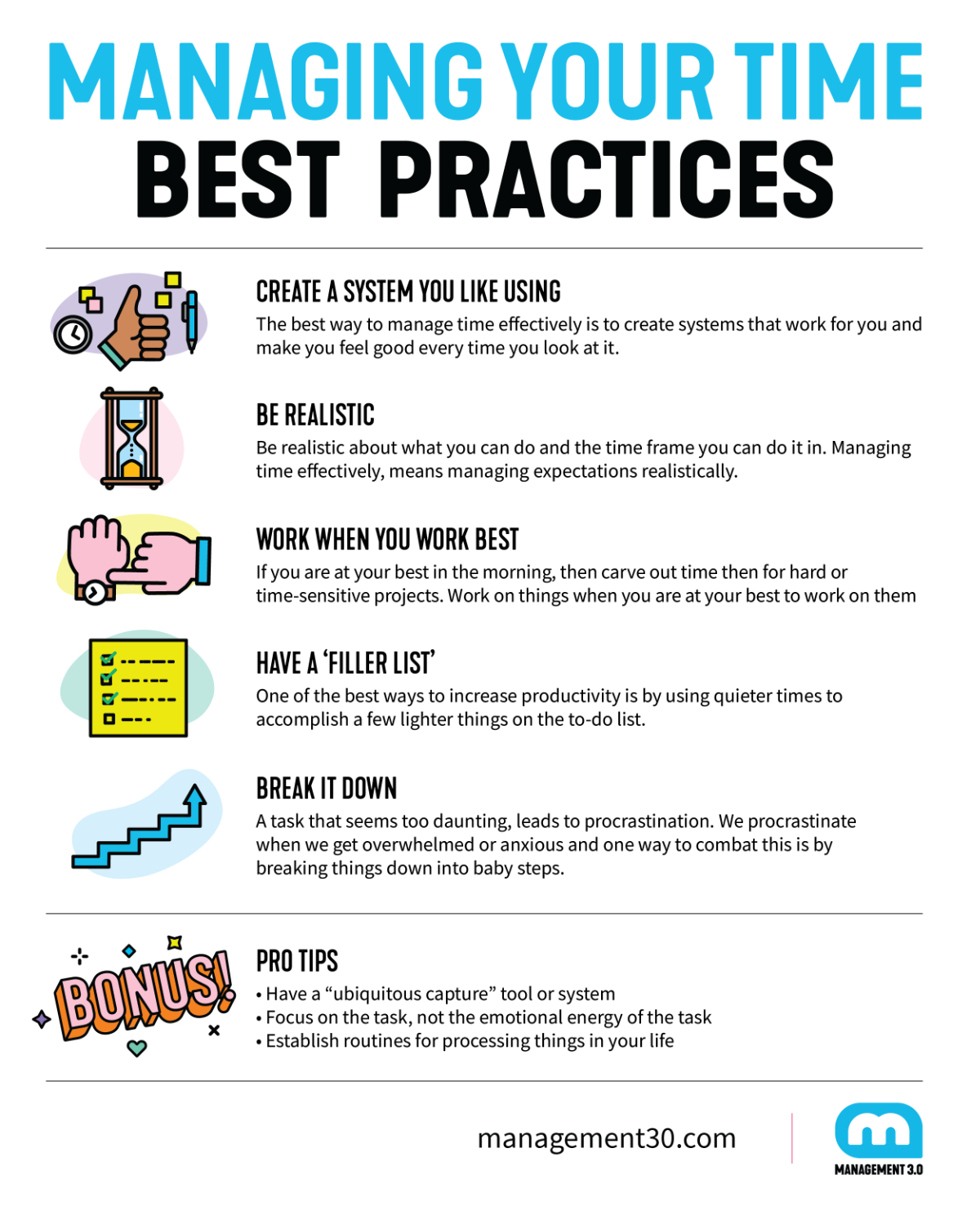
In today’s fast-paced world, mastering time is essential for success. Whether you’re a student, professional, or entrepreneur, effective time management can make all the difference in achieving your goals and maximizing your productivity. Here are some essential strategies to help you make the most of your time:
Understanding Your Priorities
The first step in effective time management is understanding your priorities. Take some time to identify your long-term goals and break them down into smaller, manageable tasks. This will help you focus your time and energy on the activities that will bring you closer to your objectives. Remember, not all tasks are created equal, so it’s essential to prioritize and tackle the most important ones first.
Setting Clear Goals
Setting clear, specific goals is crucial for effective time management. When you have a clear idea of what you want to achieve, you can create a roadmap to get there. Break down your goals into actionable steps and assign deadlines to each task. This will help you stay focused and motivated, knowing exactly what needs to be done and when.
Creating a Schedule
Creating a schedule is one of the most effective ways to manage your time. Block out specific time slots for different activities, such as work, study, exercise, and leisure. Be realistic about how long each task will take and try to stick to your schedule as closely as possible. Remember to include buffer time for unexpected delays or emergencies.
Eliminating Time Wasters
Identifying and eliminating time wasters is essential for maximizing productivity. Take a close look at your daily habits and routines to identify any activities that are not adding value to your life. This could include excessive social media use, procrastination, or spending too much time on non-essential tasks. Once you identify these time wasters, take steps to minimize or eliminate them from your daily routine.
Learning to Say No
Learning to say no is a valuable skill in effective time management. It’s easy to become overwhelmed with commitments and obligations, leading to burnout and exhaustion. Be selective about the tasks and activities you agree to take on and don’t be afraid to decline requests that don’t align with your priorities or goals. Remember, saying no to one thing means saying yes to something else that’s more important to you.
Delegating Tasks
Delegating tasks is another effective time management strategy, especially for those with busy schedules or multiple responsibilities. Identify tasks that can be outsourced or delegated to others and empower your team or colleagues to take on more responsibility. Delegating not only frees up your time to focus on high-priority tasks but also helps develop the skills and capabilities of those around you.
Taking Breaks
Taking regular breaks is essential for maintaining productivity and preventing burnout. Schedule short breaks throughout your day to rest and recharge, whether it’s taking a walk, practicing mindfulness, or simply stepping away from your desk for a few minutes. Remember, breaks are not a sign

- Marketing Plan
- April 11, 2024
- 324 views
Empower Your Team Time Management Techniques for Employees
Introduction:
In today’s fast-paced work environment, time management is crucial for employee success. With proper techniques, employees can boost productivity, meet deadlines, and maintain a healthy work-life balance. Let’s explore some effective strategies to enhance time management skills in the workplace.
Setting Clear Priorities:
One of the fundamental aspects of effective time management is setting clear priorities. Employees should identify tasks that are urgent and important, focusing their efforts on completing them first. By categorizing tasks based on priority, individuals can allocate their time more efficiently and avoid unnecessary stress.
Utilizing Time Blocking:
Time blocking is a powerful technique that involves dedicating specific blocks of time to different tasks or activities. By scheduling uninterrupted periods for focused work, employees can minimize distractions and maximize productivity. Whether it’s responding to emails, attending meetings, or working on projects, time blocking ensures that each task receives the necessary attention.
Implementing the Pomodoro Technique:
The Pomodoro Technique is a popular time management method that involves breaking work into intervals, typically 25 minutes in length, separated by short breaks. This approach helps employees maintain focus and prevent burnout by encouraging regular breaks. By working in short bursts of concentrated effort, individuals can accomplish more in less time while avoiding fatigue.
Avoiding Multitasking:
Contrary to popular belief, multitasking can actually hinder productivity and lead to decreased efficiency. When employees juggle multiple tasks simultaneously, they may become overwhelmed and prone to errors. Instead, encourage employees to focus on one task at a time, completing it before moving on to the next. This approach allows for better concentration and higher quality work.
Utilizing Technology Tools:
In today’s digital age, there is no shortage of technology tools designed to aid in time management. From task management apps to calendar reminders, employees can leverage various tools to organize their schedules and stay on track. Encourage employees to explore different applications and find the ones that best suit their needs and preferences.
Practicing Effective Communication:
Effective communication is essential for effective time management in the workplace. Clear and open communication ensures that employees understand expectations, deadlines, and priorities. Encourage employees to communicate proactively with colleagues and supervisors, seeking clarification when needed and providing updates on progress.
Setting Realistic Goals:
Setting realistic goals is crucial for effective time management. Employees should establish achievable objectives that align with their skills, resources, and time constraints. By breaking larger goals into smaller, manageable tasks, individuals can track their progress and maintain motivation. Encourage employees to set SMART goals—specific, measurable, achievable, relevant, and time-bound—to increase their chances of success.
Practicing Self-Care:
Finally, it’s essential for employees to prioritize self-care as part of their time management strategy. Encourage individuals to take regular breaks, get adequate sleep, exercise regularly, and maintain a healthy work-life balance. When employees prioritize their well-being, they are better equipped to manage their time effectively and perform at their best in the workplace.
Conclusion: Read more about time management techniques for employees

- Real Estate
- April 7, 2024
- 405 views
Boost Your Efficiency Time Management Productivity Tips”
Maximizing Productivity with Time Management Tips
Introduction: The Quest for Productivity
In today’s fast-paced world, productivity is a prized asset. With competing demands on our time and attention, mastering time management techniques is essential for achieving peak productivity. In this article, we’ll explore practical time management tips that can help you maximize your productivity and achieve your goals with greater efficiency.
Setting Clear Goals and Priorities
The first step in effective time management is setting clear goals and priorities. Take the time to define what you want to accomplish and identify the tasks that are most important to achieving those goals. By prioritizing your tasks based on their importance and urgency, you can focus your time and energy where it matters most, ensuring that you make meaningful progress towards your objectives.
Creating a Structured Schedule
A structured schedule is essential for effective time management. Block out dedicated time slots for different tasks and activities, including work, meetings, breaks, and personal commitments. Stick to your schedule as much as possible, but also be flexible enough to adapt to unexpected changes or interruptions. By having a clear plan for how you’ll spend your time, you can avoid wasting valuable minutes and ensure that you make the most of each day.
Minimizing Distractions
Distractions are the enemy of productivity. Whether it’s email notifications, social media alerts, or noisy coworkers, distractions can derail your focus and impede your progress. Take proactive steps to minimize distractions and create a distraction-free work environment. This may involve turning off notifications, setting aside designated “focus time” for uninterrupted work, or finding a quiet space where you can concentrate without interruptions.
Utilizing Time Management Tools
In today’s digital age, there are countless tools and apps available to help you manage your time more effectively. From calendar apps and task management software to time tracking tools and productivity plugins, there’s no shortage of resources to streamline your workflow and boost your productivity. Experiment with different tools to find what works best for you, and integrate them into your daily routine to stay organized and on track.
Practicing Time Blocking
Time blocking is a time management technique that involves scheduling specific blocks of time for different tasks or activities. By allocating dedicated time slots for focused work, meetings, and other commitments, you can ensure that you have enough time to complete important tasks without feeling rushed or overwhelmed. Time blocking also helps you create a sense of structure and rhythm to your day, making it easier to stay on track and maintain momentum.
Taking Regular Breaks
While it may seem counterintuitive, taking regular breaks is essential for maintaining productivity over the long term. Research has shown that taking short breaks throughout the day can help improve concentration, boost creativity, and prevent burnout. Schedule regular breaks into your day, and use them to recharge your batteries, stretch your legs, and clear your mind. You’ll return to your work feeling refreshed and ready to tackle the next task with renewed energy.
Practicing Mindfulness

- Marketing Jobs
- April 5, 2024
- 338 views
Effective Time Management for Business Communication
Efficient Time Management in Business Communication
Introduction: The Role of Time Management in Business Communication
In the fast-paced world of business, effective communication is crucial for success. Whether it’s conveying ideas, negotiating deals, or resolving conflicts, clear and efficient communication can make or break a company’s fortunes. However, amidst the flurry of emails, meetings, and phone calls, time management often takes a back seat. In this article, we’ll explore the importance of time management in business communication and share practical strategies for maximizing efficiency.
Setting Clear Objectives and Priorities
The first step in effective time management is setting clear objectives and priorities. Before diving into communication tasks, take a moment to define what needs to be accomplished and prioritize tasks based on their importance and urgency. This ensures that your time and energy are focused on activities that align with your business goals and deliver the greatest impact.
Utilizing Technology Tools for Efficiency
Technology has revolutionized the way we communicate in business, offering a plethora of tools and platforms to streamline communication processes. From email management software to project management platforms and video conferencing tools, there are countless resources available to help you communicate more efficiently. Take advantage of these tools to organize your communication channels, automate repetitive tasks, and collaborate seamlessly with colleagues and clients.
Implementing Structured Communication Processes
A structured communication process can help eliminate confusion, reduce misunderstandings, and save time. Establish clear guidelines for how communication should flow within your organization, including protocols for scheduling meetings, responding to emails, and sharing information. By establishing consistent processes, you can streamline communication and ensure that everyone is on the same page.
Effective Email Management Practices
Email is a ubiquitous communication tool in the business world, but it can also be a major time sink if not managed properly. To avoid getting overwhelmed by your inbox, implement effective email management practices. Set aside dedicated time slots for checking and responding to emails, use filters and folders to organize incoming messages, and unsubscribe from irrelevant mailing lists. By taking control of your inbox, you can free up valuable time for more meaningful work.
Maximizing Meeting Efficiency
Meetings are a common fixture in business communication, but they can often be a source of frustration and inefficiency. To make the most of your meeting time, set clear agendas, invite only necessary participants, and establish time limits for each agenda item. Encourage active participation and keep discussions focused to ensure that meetings stay on track and productive.
Utilizing Time-Blocking Techniques
Time-blocking is a time management technique that involves scheduling specific blocks of time for different tasks or activities. By allocating dedicated time slots for communication-related tasks, such as responding to emails, making phone calls, or attending meetings, you can ensure that important tasks don’t get overlooked and that your time is used efficiently throughout the day.
Practicing Active Listening
Effective communication is not just about conveying your message; it’s also about listening actively to others. By practicing active listening – fully engaging with the


