

Neezh
- Health Care & Medical
- April 25, 2024
- 422 views
Analyzing the Impact of Globalization on the US Economy
Exploring the Economy of the United States
An Overview of the US Economy
The economy of the United States is one of the largest and most diverse in the world. It is driven by a combination of factors including consumer spending, business investment, government expenditure, and international trade. With a Gross Domestic Product (GDP) exceeding $20 trillion, the US economy plays a significant role in shaping global economic trends and dynamics.
Key Drivers of Economic Growth
Several factors contribute to the growth and resilience of the US economy. Innovation and entrepreneurship are central to driving productivity and fostering technological advancements. The US boasts a highly skilled workforce and a culture that encourages risk-taking and innovation, leading to the creation of new industries and the expansion of existing ones.
Diverse Economic Sectors
The US economy is characterized by its diverse range of sectors, each contributing to its overall strength and dynamism. The service sector, including industries such as finance, healthcare, and information technology, is the largest component of the US economy, accounting for the majority of employment and GDP. Additionally, manufacturing, agriculture, and energy sectors play significant roles in driving economic growth and providing employment opportunities.
Global Economic Influence
As the world’s largest economy, the United States wields considerable influence in global economic affairs. Its policies and decisions have far-reaching implications for international trade, investment, and financial markets. The US dollar serves as the primary reserve currency and is widely used in international transactions, further solidifying the country’s economic influence on a global scale.
Challenges and Opportunities
Despite its strengths, the US economy faces several challenges, including income inequality, aging infrastructure, and a widening wealth gap. Addressing these issues requires strategic policy measures aimed at promoting inclusive growth and reducing disparities. Additionally, emerging trends such as automation, globalization, and climate change present both challenges and opportunities for the US economy, requiring innovative solutions and proactive policy responses.
Role of Government Policies
Government policies play a crucial role in shaping the trajectory of the US economy. Fiscal policies, such as taxation and government spending, influence aggregate demand and economic activity. Monetary policies, implemented by the Federal Reserve, aim to regulate interest rates and stabilize inflation. Additionally, trade policies, healthcare reforms, and infrastructure investments impact the overall health and competitiveness of the economy.
Impact of Globalization
Globalization has transformed the US economy by increasing interconnectedness and interdependence with other countries. While globalization has led to greater access to markets and opportunities for American businesses, it has also exposed the economy to external shocks and competition. Managing the challenges of globalization requires a balance between promoting international trade and protecting domestic industries and workers.
Future Outlook
Looking ahead, the US economy is poised to continue its trajectory of growth and innovation. Advancements in technology, such as artificial intelligence, renewable energy, and biotechnology, are expected to drive productivity gains and create new economic opportunities. However, addressing ongoing challenges such as income inequality, healthcare affordability, and climate change will be critical to ensuring sustainable and inclusive
- Market Research
- April 24, 2024
- 494 views
The Current State of the US Economy Insights & Analysis
Navigating the Complexities of the Current US Economy
Spotlight on Economic Trends
The current state of the US economy is a topic of intense scrutiny and discussion among economists, policymakers, and ordinary citizens alike. With its vast and diverse economic landscape, the United States plays a pivotal role in the global economy. Understanding the trends shaping the US economy is essential for making informed decisions, whether it’s regarding investments, business strategies, or personal finances.
Assessing Performance Indicators
One of the key aspects of analyzing the US economy is to examine various performance indicators that provide insights into its health and trajectory. These indicators include metrics such as gross domestic product (GDP) growth, employment rates, inflation levels, consumer spending, and trade balances. By closely monitoring these indicators, economists can gauge the overall performance of the economy and identify potential areas of strength or weakness.
Impact of Policy Decisions
Policy decisions made by the government and central bank have a significant impact on the direction of the US economy. Fiscal policies, such as tax reforms and government spending initiatives, can influence consumer behavior, business investment, and overall economic growth. Similarly, monetary policies, including interest rate adjustments and quantitative easing measures, affect borrowing costs, inflation rates, and asset prices. Understanding the rationale behind these policy decisions and their potential implications is crucial for businesses and investors.
Challenges and Opportunities
The US economy faces a myriad of challenges, ranging from structural issues such as income inequality and workforce automation to external factors like geopolitical tensions and global market volatility. However, amidst these challenges lie opportunities for innovation, growth, and resilience. Industries such as technology, healthcare, renewable energy, and e-commerce continue to drive economic expansion and create new avenues for prosperity.
Consumer Behavior and Market Trends
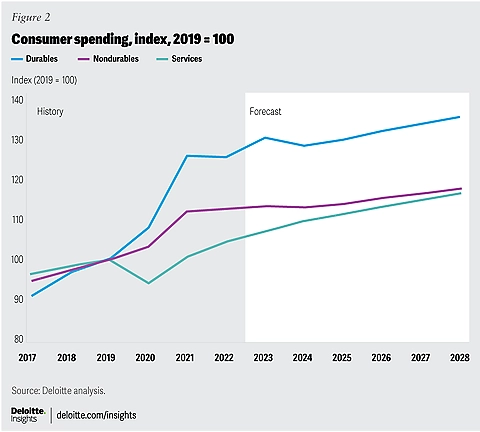
Consumer behavior plays a crucial role in shaping the US economy, as household spending accounts for a significant portion of economic activity. Understanding consumer preferences, sentiment, and purchasing patterns can provide valuable insights into future demand trends and market dynamics. With the rise of e-commerce, digitalization, and changing demographics, businesses must adapt their strategies to meet evolving consumer needs and preferences.
Global Economic Interconnections
In an increasingly interconnected world, the US economy is deeply intertwined with global markets, trade flows, and geopolitical developments. Events such as trade disputes, currency fluctuations, and geopolitical conflicts can have far-reaching implications for the US economy, impacting everything from corporate earnings to consumer prices. As such, businesses and policymakers must remain vigilant and adaptive in navigating the complexities of the global economic landscape.
Innovation and Entrepreneurship
Innovation and entrepreneurship are driving forces behind the dynamism and resilience of the US economy. From Silicon Valley startups to Main Street small businesses, innovation drives productivity gains, job creation, and economic growth. However, fostering a culture of innovation requires supportive policies, access to capital, and a conducive regulatory environment. Encouraging entrepreneurship and fostering innovation ecosystems are essential for sustaining long-term economic prosperity.
Sustainability and Resilience
Sustainability has emerged as a critical consideration for businesses and policymakers alike,


