

Neezh
- Business Service
- October 25, 2025
- 488 views
Virtual Assistant Services for Global Business
Are you a global business owner feeling overwhelmed by administrative tasks, struggling to keep up with international market demands, or simply wishing you had more time to focus on strategic growth? You’re not alone. Many businesses face these challenges when operating on a global scale. That’s where Virtual Assistant Services come in, offering a flexible and cost-effective solution to lighten your workload and boost your efficiency. Key Takeaways: Before diving into the benefits of Virtual Assistant Services, it’s crucial to assess your specific needs. What tasks are consuming most of your time? Where are the bottlenecks in your operations? What skills or expertise are you currently lacking? Identifying these pain points will help you determine the type of virtual assistant you need and the services they should provide. For example, if you’re struggling to manage your social media presence across different time zones, a virtual assistant with social media management experience could be a game-changer. Or, if you need assistance with translating documents or communicating with international clients, a multilingual virtual assistant would be a valuable asset. Thinking critically about where us needing support is the first step. Expanding your business globally comes with unique challenges, including navigating different cultures, languages, and regulations. Virtual Assistant Services can provide invaluable support in these areas, helping you overcome obstacles and seize opportunities. Imagine having a dedicated assistant who can research new markets, translate documents, schedule meetings across different time zones, and provide customer support in multiple languages. This level of support can significantly streamline your operations and improve your chances of success in the global marketplace. Furthermore, by outsourcing these tasks to a virtual assistant, you can avoid the costs associated with hiring full-time employees, such as salaries, benefits, and office space. Choosing the right Virtual Assistant Services provider is essential to ensuring a successful partnership. Look for a provider that has experience working with global businesses and a proven track record of delivering high-quality services. Consider factors such as the provider’s pricing structure, communication methods, and security protocols. It’s also important to find a provider that offers a wide range of services to meet your evolving needs. Read reviews and testimonials from other clients to get a sense of the provider’s reputation and reliability. And don’t hesitate to ask for references or request a trial period before committing to a long-term contract. Working with a trusted provider will give us more
Understanding Your Needs for Virtual Assistant Services
Benefits of Outsourcing Virtual Assistant Services for Global Expansion
Finding the Right Virtual Assistant Services Provider


- Marketing Definition
- May 17, 2024
- 495 views
Navigating the Entrepreneurial Seas Key Pre-Launch Tips
Key Tips to Consider Before Embarking on Your Business Venture Starting a business is an exhilarating journey filled with possibilities, but it’s also fraught with challenges and uncertainties. Before diving headfirst into the entrepreneurial world, it’s crucial to arm yourself with the right knowledge and strategies to increase your chances of success. Here are some indispensable tips to consider before taking the plunge: 1. Define Your Vision and Mission Statement At the core of every successful business lies a clear vision and a well-defined mission statement. Your vision encapsulates the future you envision for your company, while your mission statement outlines the purpose and values that drive your business. Take the time to articulate these foundational elements, as they will serve as your guiding compass throughout your entrepreneurial journey. 2. Conduct Thorough Market Research Understanding your target market is imperative for business success. Conduct comprehensive market research to identify your potential customers, their needs, preferences, and purchasing behaviors. This invaluable insight will enable you to tailor your products or services to meet market demands effectively. 3. Develop a Solid Business Plan A meticulously crafted business plan is essential for securing funding, attracting investors, and charting the course for your business. Outline your business objectives, strategies, financial projections, and operational procedures in detail. A well-thought-out business plan not only provides direction but also demonstrates your commitment and seriousness as an entrepreneur. 4. Assess Your Financial Readiness Starting a business requires a significant financial investment, so it’s crucial to assess your financial readiness beforehand. Calculate your startup costs, operational expenses, and projected revenue streams. Ensure you have adequate funding in place to cover initial expenses and sustain your business until it becomes profitable. 5. Choose the Right Business Structure Selecting the appropriate business structure is a critical decision that will impact your legal, financial, and tax obligations. Whether you opt for a sole proprietorship, partnership, limited liability company (LLC), or corporation, each structure has its own advantages and considerations. Consult with legal and financial experts to determine the best fit for your business. 6. Build a Strong Support Network Entrepreneurship can be a lonely and challenging journey, so it’s essential to surround yourself with a supportive network of mentors, advisors, peers, and potential collaborators. Seek guidance from experienced entrepreneurs who can offer valuable insights, advice, and encouragement along the way. 7. Focus on Continuous Learning and Growth The business landscape is constantly evolving, so it’s crucial to remain adaptable and committed to lifelong learning. Stay updated on industry trends, emerging technologies, and best practices relevant to your business. Invest in your personal and professional development to stay ahead of the curve and drive sustainable growth. 8. Embrace Risk and Failure as Learning Opportunities Risk-taking is inherent in entrepreneurship, and failure is often an inevitable part of the journey. Instead of fearing failure, embrace it as a valuable learning experience that can fuel personal and professional growth. Be resilient, learn from your mistakes, and use setbacks as stepping stones toward success. 9. Prioritize

- Marketing Definition
- May 14, 2024
- 449 views
Launching Your Home Business Essential Tips for Success
Starting a business from the comfort of your home can be an exciting and rewarding venture. Here are some essential tips to help you navigate the journey of launching and growing a successful home-based business. The first step in starting a home business is to define your business idea. Consider your passions, skills, and interests. What products or services can you offer that solve a problem or fulfill a need in the market? Take the time to brainstorm and research different business ideas to find the one that aligns best with your goals and vision. Before diving into your home business venture, it’s crucial to conduct thorough market research. Understand your target market, their needs, preferences, and purchasing behaviors. Analyze your competitors to identify gaps in the market and opportunities for differentiation. This research will help you make informed decisions and create a strong business strategy. A well-crafted business plan is essential for the success of your home business. Outline your business goals, target market, marketing strategies, financial projections, and operational plans. Your business plan will serve as a roadmap, guiding your decisions and helping you stay on track as you grow your business. Creating a dedicated workspace is essential for productivity and focus when running a home business. Choose a quiet and organized area in your home where you can work without distractions. Invest in ergonomic furniture, proper lighting, and essential office supplies to create a conducive work environment. In today’s digital age, having a professional online presence is crucial for the success of your home business. Create a professional website that showcases your products or services, provides information about your business, and makes it easy for customers to contact you. Utilize social media platforms to engage with your target audience and build brand awareness. A robust marketing strategy is essential for attracting customers to your home business. Identify your target market and create a plan to reach them through various channels such as social media, email marketing, content marketing, and networking events. Invest in branding, advertising, and promotions to create visibility and attract customers. Networking is a valuable tool for home business owners to connect with potential customers, partners, and mentors. Attend industry events, join online forums or communities, and participate in local business groups. Building relationships with other professionals can open doors to collaborations, partnerships, and business opportunities. Effective financial management is key to the success and sustainability of your home business. Keep track of your income, expenses, and profits using accounting software or spreadsheets. Set a budget for your business expenses and stick to it. Save for taxes, create an emergency fund, and seek professional advice if needed. As a home business owner, it’s essential to stay organized and manage your time effectively. Create a schedule for your work Define Your Business Idea
Conduct Market Research
Create a Detailed Business Plan
Set Up Your Home Office
Establish a Professional Online Presence
Develop a Marketing Strategy
Leverage Networking Opportunities
Manage Your Finances Wisely
Stay Organized and Efficient

- Market News
- April 9, 2024
- 480 views
The Startup Journey Essential Tips for New Ventures
Embarking on the journey of starting a new business, especially a startup, is both thrilling and challenging. Here are some invaluable tips to help new entrepreneurs navigate the exciting world of startup ventures. Before diving into the details of your business, take the time to define your unique value proposition (UVP). What sets your product or service apart from competitors? Clearly articulate the problem your business solves and the benefits it offers to customers. This will serve as the foundation for your marketing efforts and customer acquisition strategy. Market research is essential for understanding your target market, identifying potential competitors, and validating your business idea. Dive deep into market trends, customer preferences, and industry insights. This knowledge will guide your product development, pricing strategy, and marketing campaigns. A well-crafted business plan is a roadmap for your startup’s success. Outline your business goals, target market, competition analysis, marketing strategy, financial projections, and operational plan. A detailed plan not only helps you stay focused but also attracts potential investors or lenders. Startup ventures often require capital to cover initial expenses such as product development, marketing, and operational costs. Explore funding options such as bootstrapping, loans, angel investors, venture capital, or crowdfunding. Determine how much capital you need and create a solid financial plan to manage funds effectively. In today’s digital age, having a strong online presence is crucial for startup success. Create a professional website that showcases your products or services, provides valuable information to customers, and facilitates online transactions. Utilize social media platforms to engage with your target audience, build brand awareness, and drive traffic to your website. Acquiring and retaining customers is vital for startup growth. Develop a comprehensive marketing strategy that includes tactics for reaching your target audience, generating leads, and converting them into paying customers. Implement customer relationship management (CRM) tools to nurture relationships and encourage repeat business. Startups thrive on innovation and agility. Stay nimble and open to adapting your business model based on market feedback and changing trends. Encourage creativity and experimentation within your team, and be willing to pivot or iterate on your products or services as needed. A positive company culture is the backbone of a successful startup. Define your core values, mission, and vision, and ensure they are reflected in every aspect of your business. Foster a collaborative and inclusive work environment where employees feel valued, motivated, and empowered to contribute their best. Networking with fellow entrepreneurs, industry professionals, and potential partners can open doors to new opportunities and collaborations. Attend industry events, join startup accelerators or incubators, and participate in local business communities. Building a strong network can provide valuable insights, mentorship, and support for your startup journey. Efficient operations are essential for startup success, especially when resources are Define Your Unique Value Proposition
Conduct Thorough Market Research
Create a Solid Business Plan
Secure Adequate Funding
Build a Strong Online Presence
Focus on Customer Acquisition and Retention
Embrace Innovation and Agility
Cultivate a Strong Company Culture
Network and Collaborate
Prioritize Operational Efficiency

- Guerilla Marketing
- April 9, 2024
- 426 views
Launching Your Dream Essential Business Setup Tips
Setting up a business can be an exhilarating yet daunting journey for aspiring entrepreneurs. From crafting your idea to launching your venture, here are some essential tips to guide you through the process. The first step in setting up a successful business is defining your idea. What products or services will you offer? Who is your target market? Conduct thorough market research to understand your industry, competition, and potential customer needs. This will lay the foundation for a solid business plan. A well-thought-out business plan is crucial for the success of your venture. Outline your business goals, mission statement, target market analysis, marketing strategies, financial projections, and operational plans. This document will serve as your roadmap and guide your decision-making as you move forward. Market research is key to understanding your industry landscape and identifying opportunities for growth. Analyze market trends, customer preferences, and competitor strategies. This information will help you position your business effectively and develop products or services that meet market demands. Starting a business often requires a significant amount of capital. Explore different funding options such as personal savings, loans, investors, or crowdfunding. Calculate your startup costs, operating expenses, and projected revenue to determine how much funding you need to launch and sustain your business. Selecting the appropriate business structure is crucial for legal and tax purposes. Options include sole proprietorship, partnership, limited liability company (LLC), corporation, and more. Each structure has its own advantages and implications, so consult with legal and financial advisors to make the best choice for your business. Once you’ve chosen a business structure, it’s time to register your venture with the appropriate authorities. This typically involves registering your business name, obtaining permits or licenses, and complying with local, state, and federal regulations. Ensure you have all the necessary paperwork in order to operate legally. In today’s digital age, having a strong online presence is essential for business success. Create a professional website that showcases your products or services, provides contact information, and facilitates online transactions. Utilize social media platforms to engage with your target audience and build brand awareness. A solid marketing strategy is crucial for attracting customers and generating sales. Identify your target market segments, create a unique value proposition, and determine the best channels to reach your audience. This might include digital marketing, traditional advertising, networking events, or collaborations with other businesses. As your business grows, you may need to hire employees to support your operations. Take the time to recruit talented individuals who align with your company culture and share your vision. Provide training and opportunities for professional development to ensure your team is equipped for success. The business landscape is constantly evolving, so it’s important to stay flexible and adapt to changes. Monitor industry trends, customer feedback, and Define Your Business Idea
Create a Detailed Business Plan
Conduct Market Research
Secure Adequate Funding
Choose the Right Business Structure
Register Your Business
Build a Strong Online Presence
Develop a Marketing Strategy
Hire the Right Team
Stay Flexible and Adapt
- Market News
- April 8, 2024
- 314 views
Essential Preparations for Launching Your Own Business
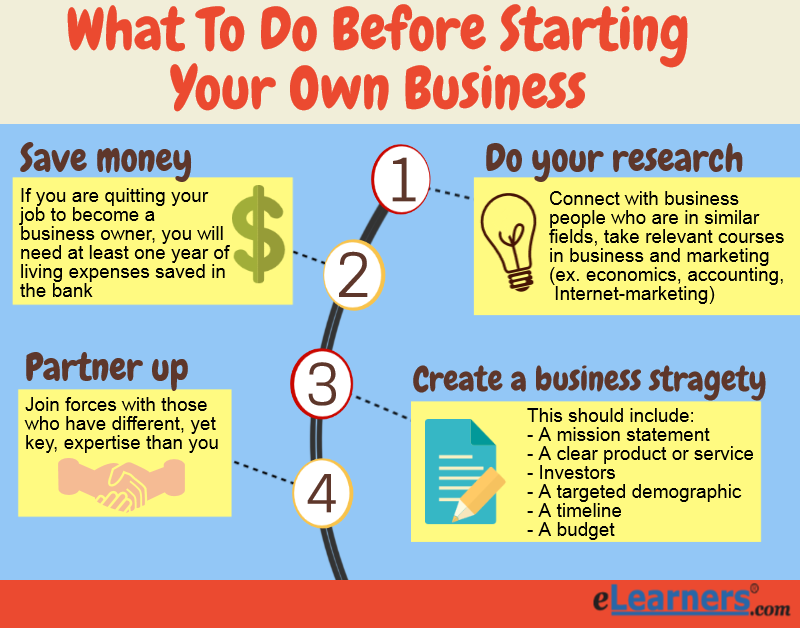
Essential Preparations for Launching Your Own Business Starting your own business is a thrilling endeavor, but it’s not one to rush into blindly. Before you take the leap into entrepreneurship, there are crucial steps you need to take to ensure your venture has the best chance of success. Here, we’ll delve into some essential preparations you should make before launching your own business. Clarify Your Business Idea The first step in starting a business is to have a clear and viable business idea. Take the time to thoroughly research and refine your concept. What problem does your product or service solve? Who are your target customers? Is there a demand for what you’re offering? By answering these questions, you’ll gain valuable insights into the viability of your business idea. Conduct Market Research Market research is essential for understanding your target market, competition, and industry trends. Use a combination of primary research (surveys, interviews) and secondary research (industry reports, market data) to gather information. Analyze your findings to identify opportunities and potential challenges. This data will inform your business strategy and help you make informed decisions moving forward. Develop a Solid Business Plan A business plan serves as a roadmap for your business, outlining your goals, strategies, and financial projections. Take the time to create a comprehensive business plan that covers all aspects of your venture, including your product or service, target market, marketing and sales strategies, operations plan, and financial forecasts. A well-thought-out business plan will not only guide your actions but also serve as a valuable tool when seeking funding or partnerships. Secure Adequate Funding Launching a business requires capital, whether it’s to cover initial startup costs, operational expenses, or expansion plans. Evaluate your financial needs and explore various funding options, such as bootstrapping, loans, investors, or crowdfunding. Be realistic about your financial projections and ensure you have a solid plan for generating revenue and managing expenses. Choose the Right Legal Structure The legal structure you choose for your business will have implications for taxes, liability, and ownership. Common options include sole proprietorship, partnership, limited liability company (LLC), and corporation. Research each structure carefully and consider factors such as ease of setup, liability protection, and tax implications. Consult with a legal advisor to determine the best fit for your business. Build Your Brand Identity Your brand is more than just a logo and a name – it’s the essence of your business and how you want to be perceived by your customers. Develop a strong brand identity that reflects your values, mission, and unique selling proposition. This includes creating a memorable logo, choosing brand colors and fonts, and crafting a compelling brand story. Consistency is key across all brand touchpoints, from your website and marketing materials to your customer service interactions. Set Up Your Infrastructure Before launching your business, you’ll need to set up the necessary infrastructure to support your operations. This includes establishing a physical location (if applicable), setting up your website and online presence, implementing business systems


