

Neezh
- B2b Marketing
- May 14, 2024
- 445 views
Managerial Mastery Time Management Tips for Success
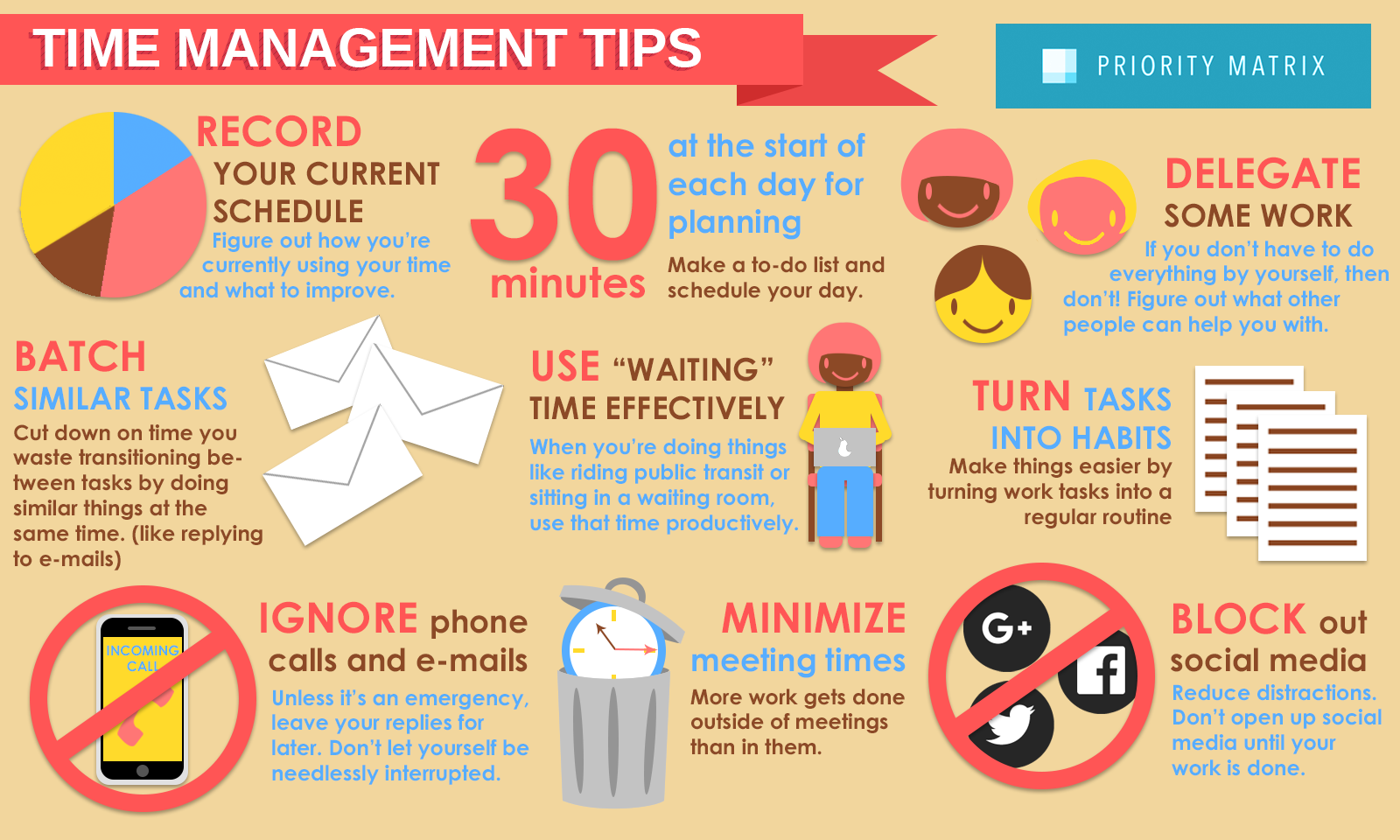
Managerial Mastery: Time Management Tips for Success Mastering Time Management as a Manager In the fast-paced world of management, time is a precious commodity. Managers are often juggling multiple tasks, deadlines, and responsibilities, making effective time management essential for success. By mastering time management skills, managers can optimize their productivity, prioritize tasks effectively, and achieve their goals with greater efficiency. Setting Clear Priorities One of the most critical aspects of time management for managers is setting clear priorities. With numerous demands on their time, managers must identify the most important tasks and focus their efforts on activities that will have the greatest impact on their team and organization. By prioritizing effectively, managers can ensure that they are allocating their time and energy to tasks that align with their goals and objectives. Utilizing Time Blocking Techniques Time blocking is a powerful time management technique that can help managers make the most of their day. By allocating specific blocks of time for different tasks or activities, managers can create a structured schedule that minimizes distractions and maximizes productivity. Whether it’s setting aside time for strategic planning, team meetings, or individual work, time blocking allows managers to focus their attention on one task at a time, leading to better results and increased efficiency. Delegating Tasks Appropriately Delegation is another key component of effective time management for managers. Recognizing that they can’t do everything themselves, successful managers delegate tasks to capable team members, empowering them to take ownership and responsibility. Delegation not only frees up valuable time for managers to focus on high-priority initiatives but also fosters professional growth and development within the team. By entrusting tasks to others, managers can leverage the strengths of their team members and achieve better results collectively. Embracing Technology Tools In today’s digital age, there is no shortage of technology tools available to assist managers in managing their time more effectively. From calendar apps and project management software to communication platforms and virtual assistants, technology can streamline processes, automate repetitive tasks, and enhance collaboration. By leveraging the right tools, managers can optimize their workflow, stay organized, and stay ahead of the curve in a rapidly evolving business environment. Cultivating a Culture of Time Management Effective time management isn’t just about individual efforts—it’s also about fostering a culture of productivity and efficiency within the team or organization. As leaders, managers have the opportunity to set the tone and lead by example when it comes to managing time effectively. By promoting time management best practices, providing resources and support, and recognizing and rewarding productivity, managers can create an environment where everyone is empowered to make the most of their time and achieve their goals. Building in Buffer Time In the unpredictable world of management, it’s essential for managers to build in buffer time to account for unexpected delays, interruptions, or emergencies. By allowing for flexibility in their schedules, managers can better adapt to changing circumstances without sacrificing productivity or quality. Whether it’s padding meeting times or allocating buffer periods throughout
Mastering Time Techniques for Effective Managerial Control
Introduction: Setting Clear Priorities: Delegating Tasks: Utilizing Time Blocking: Implementing the Eisenhower Matrix: Utilizing Technology Tools: Practicing Effective Communication: Strategic Planning and Goal Setting:
In the realm of management, time is a precious commodity. Managers are tasked with overseeing teams, projects, and operations, often facing tight deadlines and competing priorities. To navigate these challenges successfully, effective time management techniques are essential. Let’s explore some strategies that managers can implement to optimize their time and enhance their productivity.
As a manager, it’s crucial to set clear priorities to ensure that your time is allocated effectively. Identify tasks and projects that align with organizational goals and have the greatest impact on success. By prioritizing tasks based on importance and urgency, you can focus your energy on high-value activities that drive results.
Effective delegation is a key skill for managers seeking to manage their time efficiently. Identify tasks that can be delegated to members of your team, taking into account each individual’s strengths and skill sets. Delegating responsibilities not only frees up your time for more strategic initiatives but also empowers team members to develop their skills and contribute to the organization’s success.
Time blocking is a time management technique that involves dedicating specific blocks of time to different tasks or activities. By creating dedicated time slots for tasks such as meetings, email correspondence, and project work, managers can minimize distractions and maintain focus. Time blocking ensures that essential tasks receive the attention they deserve while preventing multitasking and reducing the risk of burnout.
The Eisenhower Matrix is a powerful tool for prioritizing tasks based on importance and urgency. By categorizing tasks into four quadrants – urgent and important, important but not urgent, urgent but not important, and neither urgent nor important – managers can make informed decisions about how to allocate their time. This framework helps managers distinguish between tasks that require immediate attention and those that can be deferred or delegated.
In today’s digital age, there is no shortage of technology tools designed to aid in time management. From project management software to task-tracking apps, managers can leverage various tools to streamline their workflows and stay organized. These tools can help managers prioritize tasks, track progress, and collaborate effectively with team members, ultimately enhancing productivity and efficiency.
Effective communication is essential for successful time management in a managerial role. Clear and transparent communication ensures that team members understand expectations, deadlines, and priorities. Regular check-ins, team meetings, and one-on-one discussions provide opportunities to align on goals, address challenges, and celebrate successes. By fostering open communication channels, managers can minimize misunderstandings and promote collaboration within their teams.
Strategic planning and goal setting are critical components of effective time management for managers. By establishing clear objectives and milestones, managers can create a roadmap for success and guide their team toward achieving desired outcomes. Break larger goals down into smaller, actionable tasks, and track progress regularly to stay on course. Strategic planning enables managers to allocate resources wisely, anticipate challenges, and adapt to changing circumstances


