

Neezh
- Content Marketing
- May 16, 2024
- 421 views
Effective Delegation Empower Your Team for Success
Effective Delegation: Empower Your Team for Success
In the fast-paced world of business, effective delegation is more than just a convenience; it’s a strategic necessity. Delegating tasks empowers your team members, allowing them to develop new skills, take ownership of their work, and ultimately contribute to the overall success of your organization. However, mastering the art of delegation requires finesse and careful planning.
Clear Communication: Key to Strong Team Management
At the heart of effective delegation lies clear communication. As a manager, it’s crucial to clearly articulate your expectations, provide necessary resources, and establish deadlines. Additionally, fostering an environment where team members feel comfortable asking questions and seeking clarification promotes transparency and reduces the likelihood of misunderstandings.
Prioritize Tasks: Mastering Time Management Skills
Successful delegation also hinges on the ability to prioritize tasks. Not all tasks are created equal, and it’s essential to identify which ones require your immediate attention and which can be delegated to others. By strategically allocating resources and time, you can ensure that your team remains focused on high-priority initiatives that drive results.
Build Trust: Foundation of Positive Leadership
Trust is the cornerstone of effective delegation. When team members trust in your leadership abilities and competence, they are more likely to accept delegated tasks with confidence. Cultivating trust involves demonstrating integrity, consistency, and a genuine concern for the well-being and success of your team.
Conflict Resolution: Strategies for Harmonious Workplaces
Even with the best-laid plans, conflicts may arise when delegating tasks. As a manager, it’s essential to address conflicts promptly and constructively. Active listening, empathy, and a willingness to compromise can help diffuse tensions and foster a collaborative environment where conflicts are viewed as opportunities for growth.
Feedback Culture: Nurturing Growth and Development
Providing regular feedback is vital to the success of any delegation effort. Acknowledge your team members’ achievements, offer constructive criticism when necessary, and provide guidance and support as they navigate new challenges. By fostering a culture of continuous feedback, you empower your team to learn and grow from their experiences.
Adaptability: Leading Through Change and Uncertainty
In today’s dynamic business landscape, adaptability is a non-negotiable trait for effective managers. As circumstances evolve and priorities shift, be prepared to adjust your delegation strategy accordingly. Flexibility, resilience, and a willingness to embrace change are essential qualities that will enable you to navigate uncertainty with confidence.
Decision-Making: Balancing Rationality and Intuition
Effective delegation requires sound decision-making skills. Analyze available information, weigh the potential risks and rewards, and trust your instincts when making tough calls. Striking a balance between rational analysis and intuitive judgment allows you to make informed decisions that align with your team’s goals and objectives.
Goal Setting: Guiding Your Team Towards Achievement
Setting clear and measurable goals is a fundamental aspect of effective delegation. Work with your team to establish SMART (Specific, Measurable, Achievable, Relevant, Time-bound) goals that provide direction and motivation. Regularly review progress, celebrate milestones, and recalibrate goals as needed to ensure continued success.
Emotional Intelligence: The Heart of Effective Leadership
Emotional

- B2b Marketing
- May 14, 2024
- 444 views
Managerial Mastery Time Management Tips for Success
Managerial Mastery: Time Management Tips for Success
Mastering Time Management as a Manager
In the fast-paced world of management, time is a precious commodity. Managers are often juggling multiple tasks, deadlines, and responsibilities, making effective time management essential for success. By mastering time management skills, managers can optimize their productivity, prioritize tasks effectively, and achieve their goals with greater efficiency.
Setting Clear Priorities
One of the most critical aspects of time management for managers is setting clear priorities. With numerous demands on their time, managers must identify the most important tasks and focus their efforts on activities that will have the greatest impact on their team and organization. By prioritizing effectively, managers can ensure that they are allocating their time and energy to tasks that align with their goals and objectives.
Utilizing Time Blocking Techniques
Time blocking is a powerful time management technique that can help managers make the most of their day. By allocating specific blocks of time for different tasks or activities, managers can create a structured schedule that minimizes distractions and maximizes productivity. Whether it’s setting aside time for strategic planning, team meetings, or individual work, time blocking allows managers to focus their attention on one task at a time, leading to better results and increased efficiency.
Delegating Tasks Appropriately
Delegation is another key component of effective time management for managers. Recognizing that they can’t do everything themselves, successful managers delegate tasks to capable team members, empowering them to take ownership and responsibility. Delegation not only frees up valuable time for managers to focus on high-priority initiatives but also fosters professional growth and development within the team. By entrusting tasks to others, managers can leverage the strengths of their team members and achieve better results collectively.
Embracing Technology Tools
In today’s digital age, there is no shortage of technology tools available to assist managers in managing their time more effectively. From calendar apps and project management software to communication platforms and virtual assistants, technology can streamline processes, automate repetitive tasks, and enhance collaboration. By leveraging the right tools, managers can optimize their workflow, stay organized, and stay ahead of the curve in a rapidly evolving business environment.
Cultivating a Culture of Time Management
Effective time management isn’t just about individual efforts—it’s also about fostering a culture of productivity and efficiency within the team or organization. As leaders, managers have the opportunity to set the tone and lead by example when it comes to managing time effectively. By promoting time management best practices, providing resources and support, and recognizing and rewarding productivity, managers can create an environment where everyone is empowered to make the most of their time and achieve their goals.
Building in Buffer Time
In the unpredictable world of management, it’s essential for managers to build in buffer time to account for unexpected delays, interruptions, or emergencies. By allowing for flexibility in their schedules, managers can better adapt to changing circumstances without sacrificing productivity or quality. Whether it’s padding meeting times or allocating buffer periods throughout
Elevate Your Efficiency Time Management for Executives
Time Management Tips for Executives
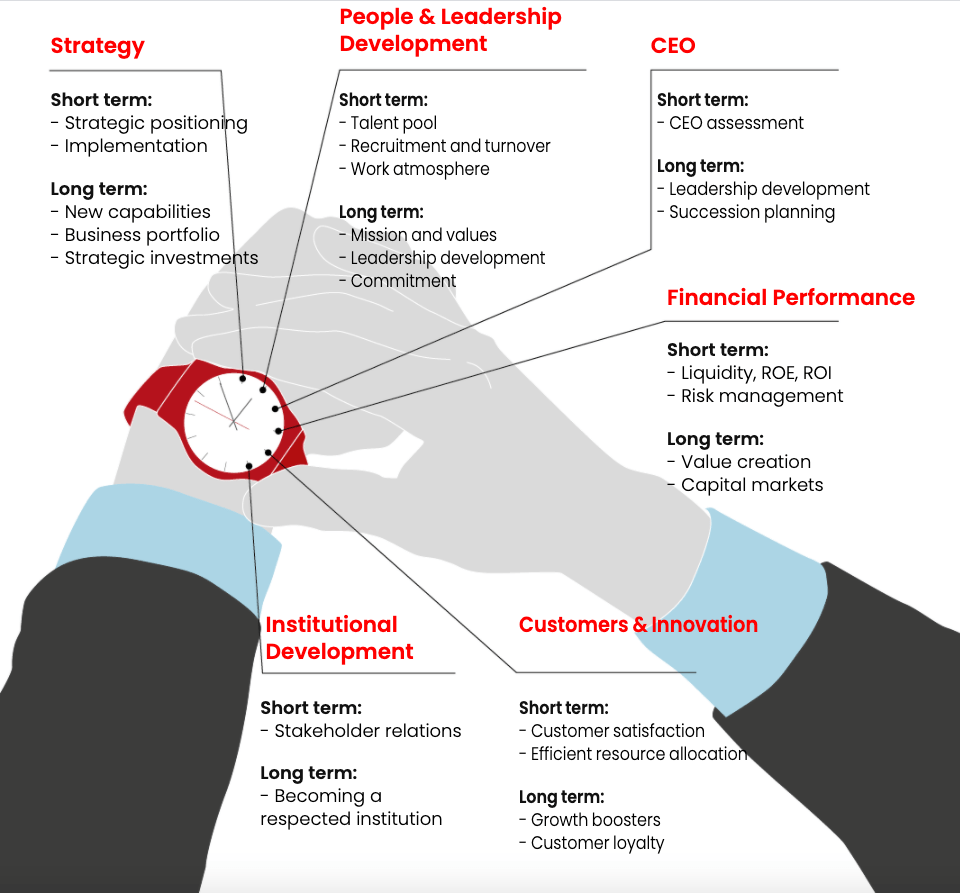
In the fast-paced world of executive leadership, time is undoubtedly one of the most precious commodities. Executives are constantly juggling multiple responsibilities, meetings, and projects, making effective time management absolutely critical. Here are some invaluable tips to help executives optimize their time and maximize their productivity.
Setting Clear Priorities
One of the fundamental keys to effective time management for executives is setting clear priorities. With numerous tasks vying for attention, it’s crucial to identify the most important ones and focus on them first. By establishing priorities, executives can ensure that their time and energy are directed towards activities that align with organizational goals and objectives.
Utilizing Time Blocking Techniques
Time blocking is a highly effective strategy for executives looking to manage their time more efficiently. By allocating specific time blocks for different tasks or activities, executives can create a structured schedule that minimizes distractions and maximizes productivity. Whether it’s dedicated time for strategic planning, team meetings, or individual work, time blocking helps ensure that each aspect of the executive’s role receives the necessary attention.
Delegating Tasks Appropriately
Delegation is an essential skill for any executive leader. Recognizing that they can’t do everything themselves, successful executives delegate tasks to capable team members, empowering them to take ownership and responsibility. Delegating not only frees up valuable time for executives to focus on high-priority initiatives but also fosters professional growth and development within the organization.
Embracing Technology Tools
In today’s digital age, there is no shortage of technology tools available to assist executives in managing their time more effectively. From calendar apps and project management software to communication platforms and virtual assistants, technology can streamline processes, automate repetitive tasks, and enhance collaboration. By leveraging the right tools, executives can optimize their workflow and stay organized amidst the chaos.
Practicing Self-Reflection and Continuous Improvement
Continuous improvement is a core principle for executive leaders seeking to excel in their roles. Taking the time for self-reflection allows executives to evaluate their time management strategies, identify areas for improvement, and adjust their approach accordingly. Whether it’s implementing new techniques, refining existing processes, or seeking feedback from peers and mentors, a commitment to continuous improvement is essential for staying ahead in today’s dynamic business environment.
Cultivating a Culture of Time Management
Effective time management isn’t just an individual endeavor—it’s also about fostering a culture of productivity and efficiency within the organization. As leaders, executives have the opportunity to set the tone and lead by example when it comes to managing time effectively. By promoting time management best practices, providing resources and support, and recognizing and rewarding productivity, executives can create an environment where everyone is empowered to make the most of their time.
Building in Buffer Time
In the unpredictable world of executive leadership, it’s essential to build in buffer time to account for unexpected delays, interruptions, or emergencies. By allowing for flexibility in their schedules, executives can better adapt to changing circumstances without sacrificing productivity or quality. Whether it’s padding meeting times

- Marketing Jobs
- May 8, 2024
- 331 views
Boost Productivity Try the Pomodoro Technique Today
Boost Productivity: Try the Pomodoro Technique Today
Introduction:
In today’s fast-paced world, finding ways to boost productivity is crucial for success. One popular method gaining traction among professionals is the Pomodoro Technique. This time management approach has been lauded for its effectiveness in increasing focus and productivity. Let’s delve into the details and explore how you can implement this technique to enhance your efficiency and achieve your goals.
Understanding the Pomodoro Technique:
The Pomodoro Technique is a simple yet powerful time management strategy developed by Francesco Cirillo in the late 1980s. It revolves around breaking work into intervals, typically 25 minutes in length, separated by short breaks. These intervals are referred to as “Pomodoros.” After completing four Pomodoros, a longer break of around 15-30 minutes is taken. This structured approach helps to maintain focus and prevent burnout.
Getting Started with the Pomodoro Technique:
Implementing the Pomodoro Technique is straightforward. Begin by selecting a task you want to work on and set a timer for 25 minutes. During this time, focus solely on the task at hand, avoiding distractions and interruptions. Once the timer rings, take a short break of around 5 minutes to rest and recharge. Repeat this process for four Pomodoros, then take a longer break to relax and rejuvenate.
Benefits of Using the Pomodoro Technique:
One of the main advantages of the Pomodoro Technique is its ability to improve concentration. By breaking work into manageable intervals, individuals can maintain focus and avoid becoming overwhelmed by large tasks. Additionally, the frequent breaks help to prevent mental fatigue and increase productivity over time. Research has shown that taking regular breaks can lead to better overall performance and reduced stress levels.
Overcoming Common Challenges:
While the Pomodoro Technique can be highly effective, it may pose challenges for some individuals, particularly those accustomed to longer periods of uninterrupted work. It’s important to remain flexible and adjust the technique to suit your needs. For example, you can experiment with different Pomodoro lengths or adapt the intervals to match the nature of your work. Additionally, learning to recognize and minimize distractions is key to maximizing the benefits of this technique.
Tips for Maximizing Success:
To make the most of the Pomodoro Technique, consider incorporating the following tips into your routine:
- Prioritize tasks: Begin each Pomodoro session with a clear goal in mind and focus on completing high-priority tasks first.
- Set realistic goals: Break larger projects into smaller, more manageable tasks to maintain momentum and avoid feeling overwhelmed.
- Minimize distractions: Create a conducive work environment free from interruptions, and use tools such as website blockers or noise-canceling headphones to stay focused.
- Take breaks mindfully: Use break time to rest and recharge, avoiding activities that may lead to further distraction or stress.
- Track your progress: Keep a record of your Pomodoros to monitor your productivity and identify areas for improvement over time.
Conclusion:
Incorporating the Pomodoro Technique into your daily routine can be a game-changer when it comes to boosting productivity and achieving your goals. By

Strategies for Senior Managers to Lead Effectively
As a senior manager, the responsibilities and challenges you face are unique. To excel in your role and lead your team to success, here are some invaluable tips and strategies to consider.
Embrace Continuous Learning
In the fast-paced world of business, staying stagnant is not an option. As a senior manager, make it a priority to engage in continuous learning. Stay updated on industry trends, management techniques, and leadership best practices. This will not only keep you ahead of the curve but also inspire your team with your knowledge and insights.
Foster a Culture of Open Communication
Effective communication is the cornerstone of successful leadership. Create an environment where team members feel comfortable sharing ideas, concerns, and feedback. Encourage open dialogue in meetings, one-on-one discussions, and through digital communication channels. By fostering a culture of transparency and collaboration, you’ll build a stronger, more engaged team.
Lead by Example
As a senior manager, your actions speak louder than words. Demonstrate the values and behaviors you expect from your team members. Whether it’s showing integrity in decision-making, embracing innovation, or prioritizing work-life balance, lead by example. Your team will look to you for guidance and inspiration, so set the bar high.
Delegate Effectively
Delegation is a critical skill for senior managers. Recognize that you can’t do everything yourself and trust your team members to handle tasks and projects. Delegate responsibilities based on each team member’s strengths and expertise, and provide clear instructions and expectations. This not only empowers your team but also frees up your time to focus on strategic initiatives.
Develop Your Team’s Skills
Investing in your team’s professional development is a win-win for everyone. Identify areas where team members can grow and provide opportunities for training, mentoring, and skill-building. Encourage cross-functional collaboration and create a culture of continuous learning within your team. When your team members thrive, so does the overall success of your department.
Stay Agile and Adapt to Change
In today’s dynamic business landscape, change is inevitable. As a senior manager, it’s crucial to stay agile and adapt quickly to shifting market conditions, customer preferences, and technological advancements. Be proactive in identifying potential disruptions and lead your team through transitions with confidence and resilience.
Foster Innovation and Creativity
Encourage a culture of innovation within your team by valuing creativity and out-of-the-box thinking. Create opportunities for brainstorming sessions, idea-sharing, and experimentation. Recognize and celebrate innovative solutions and initiatives, and empower your team to take calculated risks. Innovation is often the key to staying ahead of the competition.
Prioritize Work-Life Balance
Senior managers often face immense pressure to deliver results, which can lead to burnout if not managed properly. Make it a priority to model and promote a healthy work-life balance within your team. Encourage time off, flexible work arrangements, and wellness initiatives. When your team feels supported and balanced, they’ll be more engaged, productive, and loyal.
Build Strong Relationships
Effective leadership is built on trust and strong relationships. Take the time to get to know your team members on
- Home Products & Services
- May 4, 2024
- 448 views
Conflict Management Tips Navigating Workplace Disputes
Navigating Conflict in the Workplace: Essential Tips for Success
Understanding the Nature of Workplace Conflict
Conflict is an inevitable part of any workplace, stemming from differences in personalities, priorities, and perspectives. Understanding the nature of workplace conflict is the first step in effectively managing and resolving disputes. By recognizing its root causes and underlying dynamics, managers can develop strategies to address conflict constructively.
Encouraging Open Communication
Open communication is essential for resolving workplace conflict. Encourage employees to express their concerns, opinions, and perspectives openly and respectfully. Create opportunities for dialogue and discussion, whether through team meetings, one-on-one conversations, or anonymous suggestion boxes. By fostering a culture of open communication, managers can address conflicts before they escalate and promote a sense of transparency and trust within the team.
Setting Clear Expectations and Boundaries
Setting clear expectations and boundaries is crucial for preventing and managing workplace conflict. Clearly define roles, responsibilities, and performance expectations for each team member. Establish guidelines for acceptable behavior and communication, and ensure that everyone understands the consequences of violating these boundaries. By setting clear expectations, managers can reduce misunderstandings and conflicts arising from ambiguity or uncertainty.
Active Listening and Empathy
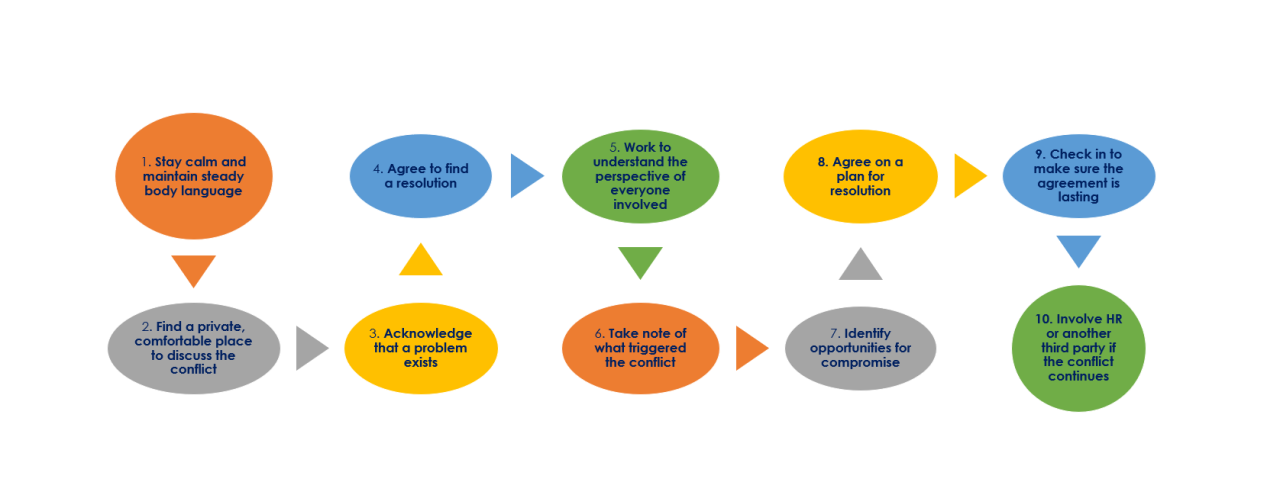
Active listening and empathy are powerful tools for resolving workplace conflict. Take the time to listen to all parties involved, seeking to understand their perspectives and concerns. Show empathy and compassion, acknowledging the emotions and experiences underlying their grievances. By demonstrating empathy, managers can build rapport and trust with employees, paving the way for more effective conflict resolution.
Seeking Common Ground
In many cases, workplace conflict arises from miscommunication or differing priorities rather than irreconcilable differences. Encourage employees to identify common ground and shared goals, focusing on areas of agreement rather than contention. By highlighting shared interests and objectives, managers can foster collaboration and cooperation, reducing the likelihood of conflict and promoting a more harmonious work environment.
Developing Conflict Resolution Skills
Effective conflict resolution is a skill that can be developed and refined over time. Provide training and resources to help employees develop conflict resolution skills, such as active listening, negotiation, and problem-solving. Offer workshops, seminars, or online courses on conflict management techniques and strategies. By investing in employee development, managers can empower their teams to address conflicts more effectively and proactively.
Addressing Conflict Proactively
Proactive conflict management is key to preventing minor disputes from escalating into major conflicts. Encourage employees to address conflicts early on, rather than letting them fester and grow. Provide channels for employees to raise concerns or grievances in a safe and confidential manner, such as through HR or mediation services. By addressing conflicts proactively, managers can nip potential issues in the bud and maintain a positive and productive work environment.
Mediation and Facilitation
In some cases, conflicts may require the intervention of a neutral third party to facilitate resolution. Consider engaging a trained mediator or facilitator to help resolve complex or deeply entrenched conflicts. Mediators can help facilitate productive dialogue, identify common ground, and explore mutually acceptable solutions. By bringing in an

- Market News
- April 22, 2024
- 426 views
Mastering Virtual Leadership Essential Tips for Success
Mastering Virtual Leadership: Essential Tips for Success
In the ever-evolving landscape of modern work, the concept of leadership has transcended physical boundaries. As organizations increasingly rely on remote work arrangements, mastering the art of virtual leadership becomes paramount for success. Here, we delve into essential tips for navigating the intricacies of leading virtual teams.
1. Establish Clear Communication Channels
Effective communication lies at the heart of successful virtual leadership. Without the luxury of face-to-face interactions, establishing clear communication channels is crucial. Utilize a combination of video conferencing, instant messaging, and email to ensure seamless communication flow within your virtual team.
2. Foster a Culture of Trust and Collaboration
Building trust among team members is essential for fostering a collaborative virtual environment. Encourage open communication, respect diverse opinions, and provide opportunities for team bonding activities. When team members feel valued and supported, they are more likely to collaborate effectively towards common goals.
3. Set Clear Expectations and Goals
Clarity breeds efficiency in virtual team settings. Clearly define roles, responsibilities, and project goals from the outset. Establish realistic deadlines and milestones to keep everyone aligned and accountable. Regularly revisit and communicate these expectations to ensure continued clarity and focus.
4. Embrace Technology and Tools
In the digital age, technology serves as the backbone of virtual collaboration. Invest in reliable communication and project management tools to streamline workflows and enhance productivity. Whether it’s video conferencing platforms, task management software, or collaborative document editing tools, leverage technology to facilitate seamless remote teamwork.
5. Prioritize Relationship Building
Despite the physical distance, strong relationships are the cornerstone of successful virtual teams. Take the time to get to know your team members on a personal level. Schedule one-on-one check-ins, virtual coffee chats, or informal team gatherings to foster camaraderie and strengthen interpersonal connections.
6. Lead by Example
As a virtual leader, your actions speak louder than words. Lead by example by demonstrating professionalism, accountability, and adaptability in your own work. Be proactive in addressing challenges, seeking feedback, and embracing change. Your leadership sets the tone for the entire virtual team.
7. Encourage Continuous Learning and Development
In a rapidly evolving digital landscape, continuous learning is essential for staying ahead of the curve. Encourage your virtual team members to pursue professional development opportunities, whether it’s attending virtual workshops, enrolling in online courses, or participating in skill-building exercises. Invest in their growth, and you’ll reap the rewards of a highly skilled and motivated team.
8. Foster a Healthy Work-Life Balance
Remote work blurs the lines between professional and personal life, making it essential to prioritize work-life balance. Encourage your virtual team members to set boundaries, take regular breaks, and disconnect from work when needed. Lead by example by respecting downtime and promoting a culture of self-care within the team.
9. Embrace Flexibility and Adaptability
In the dynamic world of virtual work, adaptability is key to success. Be flexible in your approach to work arrangements, scheduling, and problem-solving. Embrace change as an opportunity for growth and innovation, rather than a

- Arts & Entertainment
- April 18, 2024
- 482 views
Mastering Leadership Essential Tips for Team Success
The Power of Effective Leadership: Navigating the Terrain of Team Dynamics
In the fast-paced landscape of modern work environments, effective leadership stands as the cornerstone of success. Whether in the corporate realm, nonprofit sector, or entrepreneurial ventures, the ability to lead and inspire a team towards a common goal is paramount. Here, we delve into the intricacies of team leadership, exploring essential strategies and insights for steering teams towards greatness.
Fostering a Culture of Collaboration
At the heart of effective leadership lies the cultivation of a culture where collaboration thrives. A successful team is one where every member feels valued and empowered to contribute their unique insights and skills. As a leader, it is essential to create an environment where open communication and idea-sharing are not only encouraged but celebrated. By fostering a culture of collaboration, teams can harness the collective intelligence and creativity of its members to tackle challenges and drive innovation.
Setting Clear Goals and Expectations
Clarity is key when it comes to setting goals and expectations for your team. As a leader, it is your responsibility to articulate a clear vision and outline actionable objectives that align with the overarching mission of the organization. By setting clear goals and expectations, you provide your team with a roadmap for success and empower them to work towards tangible outcomes. Additionally, clear communication ensures that everyone is on the same page, minimizing misunderstandings and fostering accountability.
Leading by Example
Leadership is not just about giving orders; it’s about leading by example. As a leader, your actions speak louder than words, and your behavior sets the tone for the entire team. By demonstrating integrity, resilience, and a strong work ethic, you inspire trust and confidence in your team members. Leading by example also means being willing to roll up your sleeves and get your hands dirty when necessary, showing your team that you are not above any task and are fully committed to the collective success.
Nurturing Talent and Growth
Great leaders understand the importance of investing in the growth and development of their team members. By nurturing talent and providing opportunities for learning and advancement, you not only foster a sense of loyalty and commitment but also ensure the long-term success of your team. Encourage continuous learning and skill development, and provide constructive feedback and mentorship to help your team members reach their full potential. A team that feels supported and valued is more likely to go above and beyond to achieve shared goals.
Embracing Diversity and Inclusion
In today’s increasingly diverse workplaces, embracing diversity and inclusion is not just a moral imperative but also a strategic advantage. As a leader, it is crucial to create a culture where everyone feels welcome, respected, and valued for their unique perspectives and contributions. Embrace diversity in all its forms and actively seek out opportunities to foster inclusivity within your team. By harnessing the power of diverse viewpoints and experiences, you can drive innovation, creativity, and better decision-making.
Effective Communication and Feedback
Communication

New Team Success Strategies for Effective Management
Key Strategies for Success in Managing a New Team
Understanding the Dynamics
When tasked with managing a new team, it’s crucial to take the time to understand the dynamics at play. Each team member brings unique strengths, personalities, and communication styles to the table. By gaining insights into these dynamics, you can better tailor your approach to leadership and foster a cohesive and productive team environment.
Setting Clear Expectations
One of the first steps in managing a new team is setting clear expectations. Clearly communicate your goals, objectives, and performance expectations from the outset. Be transparent about your leadership style, communication preferences, and the team’s role within the organization. Setting clear expectations lays the foundation for success and minimizes misunderstandings down the line.
Building Trust and Rapport
Trust is essential for effective team management. Take the time to build rapport with your new team members and establish trust-based relationships. Show genuine interest in their ideas, concerns, and professional development goals. Foster an environment where team members feel valued, supported, and empowered to contribute their best work.
Effective Communication
Effective communication is the cornerstone of successful team management. Establish open lines of communication with your team members and encourage regular dialogue. Be approachable and accessible, and actively listen to their feedback and input. Clear and transparent communication builds trust, minimizes misunderstandings, and fosters collaboration within the team.
Providing Support and Resources
As a manager, it’s essential to provide your team with the support and resources they need to succeed. Identify any gaps in skills or knowledge and offer training, mentorship, or professional development opportunities to address them. Ensure that your team has access to the tools, technology, and resources necessary to carry out their responsibilities effectively.
Fostering Collaboration and Teamwork
Promoting collaboration and teamwork is essential for harnessing the collective intelligence of your new team. Encourage team members to share ideas, collaborate on projects, and support one another’s efforts. Create opportunities for team building activities, brainstorming sessions, and cross-functional collaboration to strengthen bonds and enhance productivity.
Managing Conflict Effectively
Conflict is inevitable in any team setting, but how it’s managed can make all the difference. As a manager, it’s essential to address conflicts promptly and constructively. Listen to all perspectives, identify underlying issues, and work with team members to find mutually acceptable solutions. Use conflicts as opportunities for growth and learning, rather than allowing them to escalate and undermine team morale.
Providing Feedback and Recognition
Regular feedback and recognition are powerful tools for motivating and empowering your team. Provide constructive feedback on performance, highlighting strengths and areas for improvement. Recognize and celebrate achievements, milestones, and contributions to reinforce positive behavior and foster a culture of appreciation within the team.
Leading by Example
As a manager, your actions speak louder than words. Lead by example by demonstrating integrity, accountability, and professionalism in your own behavior. Show commitment to the team’s goals and values, and be willing to roll up your sleeves and pitch in when needed. Your leadership sets the tone for
Mastering Time Techniques for Effective Managerial Control
Introduction:
In the realm of management, time is a precious commodity. Managers are tasked with overseeing teams, projects, and operations, often facing tight deadlines and competing priorities. To navigate these challenges successfully, effective time management techniques are essential. Let’s explore some strategies that managers can implement to optimize their time and enhance their productivity.
Setting Clear Priorities:
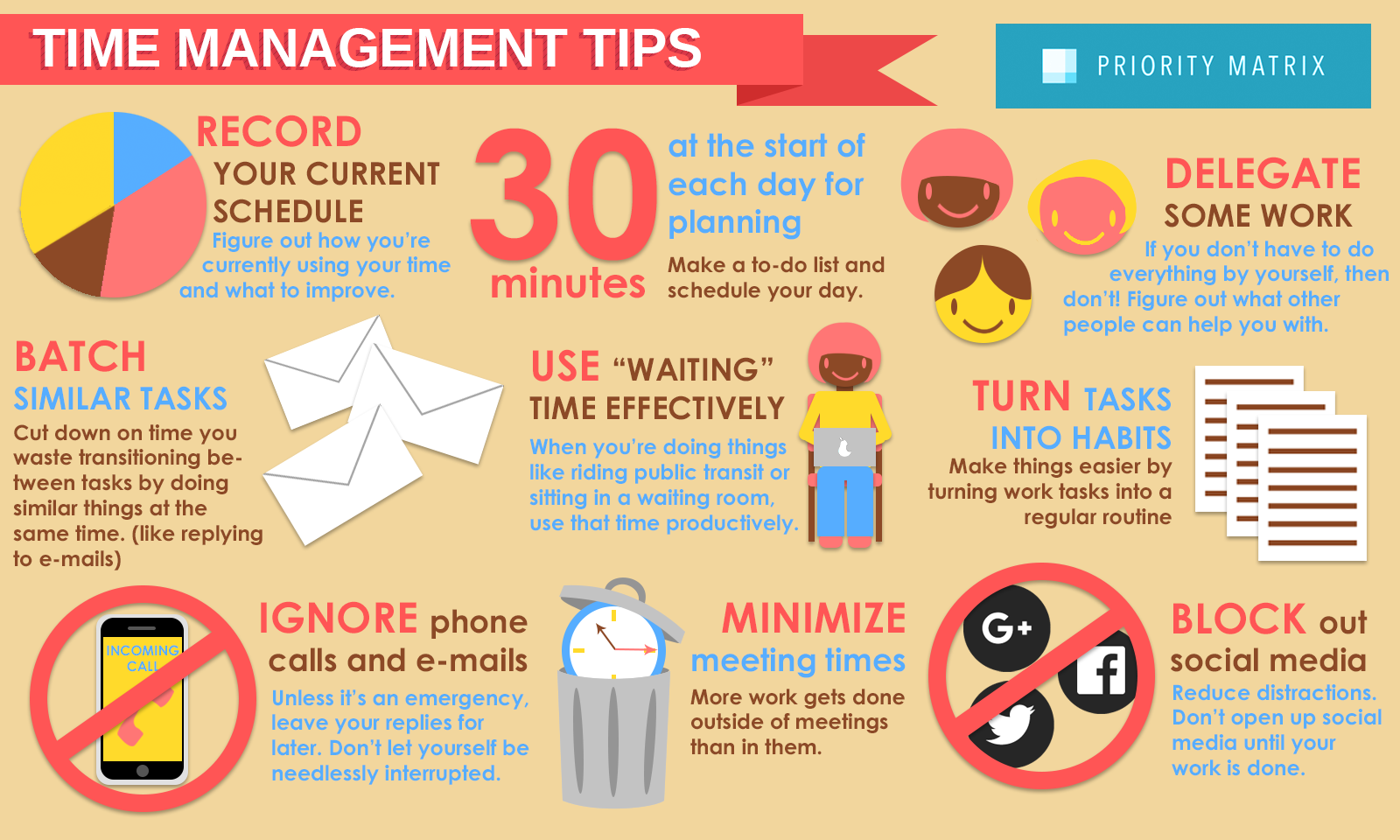
As a manager, it’s crucial to set clear priorities to ensure that your time is allocated effectively. Identify tasks and projects that align with organizational goals and have the greatest impact on success. By prioritizing tasks based on importance and urgency, you can focus your energy on high-value activities that drive results.
Delegating Tasks:
Effective delegation is a key skill for managers seeking to manage their time efficiently. Identify tasks that can be delegated to members of your team, taking into account each individual’s strengths and skill sets. Delegating responsibilities not only frees up your time for more strategic initiatives but also empowers team members to develop their skills and contribute to the organization’s success.
Utilizing Time Blocking:
Time blocking is a time management technique that involves dedicating specific blocks of time to different tasks or activities. By creating dedicated time slots for tasks such as meetings, email correspondence, and project work, managers can minimize distractions and maintain focus. Time blocking ensures that essential tasks receive the attention they deserve while preventing multitasking and reducing the risk of burnout.
Implementing the Eisenhower Matrix:
The Eisenhower Matrix is a powerful tool for prioritizing tasks based on importance and urgency. By categorizing tasks into four quadrants – urgent and important, important but not urgent, urgent but not important, and neither urgent nor important – managers can make informed decisions about how to allocate their time. This framework helps managers distinguish between tasks that require immediate attention and those that can be deferred or delegated.
Utilizing Technology Tools:
In today’s digital age, there is no shortage of technology tools designed to aid in time management. From project management software to task-tracking apps, managers can leverage various tools to streamline their workflows and stay organized. These tools can help managers prioritize tasks, track progress, and collaborate effectively with team members, ultimately enhancing productivity and efficiency.
Practicing Effective Communication:
Effective communication is essential for successful time management in a managerial role. Clear and transparent communication ensures that team members understand expectations, deadlines, and priorities. Regular check-ins, team meetings, and one-on-one discussions provide opportunities to align on goals, address challenges, and celebrate successes. By fostering open communication channels, managers can minimize misunderstandings and promote collaboration within their teams.
Strategic Planning and Goal Setting:
Strategic planning and goal setting are critical components of effective time management for managers. By establishing clear objectives and milestones, managers can create a roadmap for success and guide their team toward achieving desired outcomes. Break larger goals down into smaller, actionable tasks, and track progress regularly to stay on course. Strategic planning enables managers to allocate resources wisely, anticipate challenges, and adapt to changing circumstances


