
Economic Resilience United States Charts Path to Recovery
Economic Resilience: United States Charts Path to Recovery
Navigating Through Uncertainty
In the wake of unprecedented challenges, the United States finds itself at a pivotal moment in its economic trajectory. The COVID-19 pandemic unleashed a wave of disruption, shaking the foundations of global economies. However, the resilience of the U.S. economy has emerged as a beacon of hope amidst uncertainty. As the nation charts its path to recovery, various factors are shaping its economic landscape.
Driving Forces of Recovery
One of the driving forces behind the U.S. economic recovery is the remarkable resilience of its labor market. Job growth has surged, exceeding expectations and bolstering confidence in the economy. With widespread vaccination efforts and easing pandemic restrictions, businesses are reopening, and consumer spending is on the rise. This resurgence in economic activity is a testament to the adaptability and resilience of the American workforce.
Policy Response and Fiscal Stimulus
The swift and decisive policy response from both the federal government and the Federal Reserve has played a crucial role in stabilizing the economy. Massive fiscal stimulus packages have provided much-needed support to individuals, businesses, and state governments, preventing a deeper economic downturn. Additionally, the Federal Reserve’s accommodative monetary policies have helped to keep interest rates low, supporting borrowing and investment.
Sectoral Dynamics: Tech, Manufacturing, and Housing
Within the U.S. economy, certain sectors have emerged as key drivers of growth. The technology sector, in particular, has thrived amid the pandemic, with increased demand for digital services and solutions. Similarly, the manufacturing sector has experienced a revival, fueled by pent-up demand and supply chain adjustments. Additionally, the housing market has remained robust, supported by low mortgage rates and a shift in housing preferences.
Challenges and Headwinds
Despite the positive momentum, the U.S. economy still faces several challenges and headwinds. Persistent supply chain disruptions, labor shortages, and inflationary pressures pose risks to the pace of recovery. Furthermore, the uneven distribution of economic gains remains a concern, with certain communities and industries disproportionately affected by the pandemic’s fallout. Addressing these challenges will require continued policy support and strategic investments.
The Role of Innovation and Sustainability
Looking ahead, innovation and sustainability will be critical pillars of the U.S. economic agenda. The nation’s ability to harness technological advancements and embrace sustainable practices will shape its competitiveness and resilience in the global economy. Investments in clean energy, infrastructure, and education will not only drive economic growth but also ensure a more equitable and sustainable future for all Americans.
Charting a Course for the Future
As the United States navigates through the complexities of economic recovery, strategic decision-making and collaboration will be paramount. Policymakers, businesses, and communities must work together to address the challenges and seize the opportunities that lie ahead. By leveraging its strengths and embracing innovation, the United States can chart a course towards a more prosperous and resilient future. Read more about the state of the united states economy

Neezh
- Health Care & Medical
- April 25, 2024
- 411 views
Analyzing the Impact of Globalization on the US Economy
Exploring the Economy of the United States
An Overview of the US Economy
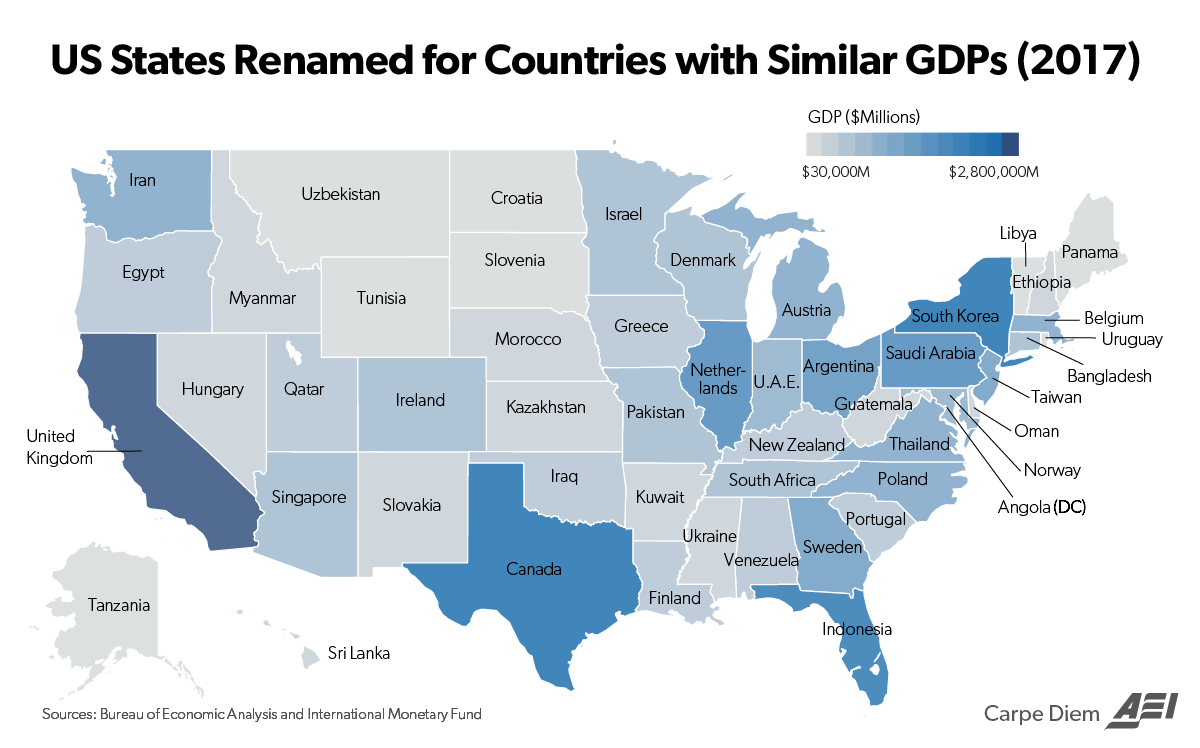
The economy of the United States is one of the largest and most diverse in the world. It is driven by a combination of factors including consumer spending, business investment, government expenditure, and international trade. With a Gross Domestic Product (GDP) exceeding $20 trillion, the US economy plays a significant role in shaping global economic trends and dynamics.
Key Drivers of Economic Growth
Several factors contribute to the growth and resilience of the US economy. Innovation and entrepreneurship are central to driving productivity and fostering technological advancements. The US boasts a highly skilled workforce and a culture that encourages risk-taking and innovation, leading to the creation of new industries and the expansion of existing ones.
Diverse Economic Sectors
The US economy is characterized by its diverse range of sectors, each contributing to its overall strength and dynamism. The service sector, including industries such as finance, healthcare, and information technology, is the largest component of the US economy, accounting for the majority of employment and GDP. Additionally, manufacturing, agriculture, and energy sectors play significant roles in driving economic growth and providing employment opportunities.
Global Economic Influence
As the world’s largest economy, the United States wields considerable influence in global economic affairs. Its policies and decisions have far-reaching implications for international trade, investment, and financial markets. The US dollar serves as the primary reserve currency and is widely used in international transactions, further solidifying the country’s economic influence on a global scale.
Challenges and Opportunities
Despite its strengths, the US economy faces several challenges, including income inequality, aging infrastructure, and a widening wealth gap. Addressing these issues requires strategic policy measures aimed at promoting inclusive growth and reducing disparities. Additionally, emerging trends such as automation, globalization, and climate change present both challenges and opportunities for the US economy, requiring innovative solutions and proactive policy responses.
Role of Government Policies
Government policies play a crucial role in shaping the trajectory of the US economy. Fiscal policies, such as taxation and government spending, influence aggregate demand and economic activity. Monetary policies, implemented by the Federal Reserve, aim to regulate interest rates and stabilize inflation. Additionally, trade policies, healthcare reforms, and infrastructure investments impact the overall health and competitiveness of the economy.
Impact of Globalization
Globalization has transformed the US economy by increasing interconnectedness and interdependence with other countries. While globalization has led to greater access to markets and opportunities for American businesses, it has also exposed the economy to external shocks and competition. Managing the challenges of globalization requires a balance between promoting international trade and protecting domestic industries and workers.
Future Outlook
Looking ahead, the US economy is poised to continue its trajectory of growth and innovation. Advancements in technology, such as artificial intelligence, renewable energy, and biotechnology, are expected to drive productivity gains and create new economic opportunities. However, addressing ongoing challenges such as income inequality, healthcare affordability, and climate change will be critical to ensuring sustainable and inclusive


