

Neezh
- Advertisement
- April 17, 2024
- 381 views
Mastering Delegation Essential Tips for Effective Leadership
Maximizing Efficiency: The Art of Delegating Work Effectively
Understanding the Importance of Delegation
In the realm of leadership, effective delegation stands as a cornerstone for success. It is not merely about assigning tasks but strategically distributing responsibilities to optimize productivity and leverage the strengths of the team. Understanding the importance of delegation is crucial for leaders aiming to streamline workflows and achieve collective goals.
Identifying Tasks for Delegation
A key aspect of effective delegation is identifying the right tasks to delegate. Leaders should assess each task based on factors such as complexity, urgency, and the skill set of team members. Tasks that are routine, time-consuming, or fall outside the leader’s expertise are ideal candidates for delegation. By delegating such tasks, leaders free up valuable time to focus on high-priority activities and strategic decision-making.
Setting Clear Expectations
Clear communication is essential when delegating tasks to team members. Leaders must articulate clear expectations regarding the scope of work, deadlines, and desired outcomes. Providing detailed instructions and guidelines empowers team members to execute tasks with confidence and autonomy. Additionally, leaders should be available to answer questions and provide support as needed, ensuring that delegated tasks are completed successfully.
Empowering Team Members
Effective delegation goes beyond task assignment; it involves empowering team members to take ownership of their responsibilities. Leaders should foster a culture of trust and accountability, where team members feel empowered to make decisions and take initiative. Empowering team members not only enhances productivity but also cultivates a sense of ownership and commitment towards achieving shared goals.
Providing Necessary Resources
To ensure the success of delegated tasks, leaders must provide team members with the necessary resources and support. This may include access to tools, technology, training, and mentorship. By equipping team members with the resources they need to excel, leaders set them up for success and foster a culture of continuous learning and development.
Encouraging Feedback and Collaboration
Effective delegation is a two-way street that involves open communication and collaboration. Leaders should encourage team members to provide feedback on delegated tasks, including any challenges or suggestions for improvement. Additionally, fostering collaboration among team members encourages knowledge sharing and innovation, leading to better outcomes and a stronger sense of camaraderie.
Monitoring Progress and Providing Guidance
While delegation involves entrusting tasks to others, leaders must maintain oversight to ensure progress and quality standards are met. Regular check-ins allow leaders to monitor the progress of delegated tasks, provide guidance or clarification as needed, and address any obstacles or concerns that may arise. This proactive approach ensures that delegated tasks stay on track and align with the overall objectives of the team.
Recognizing and Celebrating Achievements
Acknowledging the contributions of team members is essential for fostering a positive work environment and maintaining morale. Leaders should recognize and celebrate the achievements of individuals who excel in delegated tasks, whether through formal recognition programs, verbal praise, or small tokens of appreciation. By acknowledging their efforts and accomplishments, leaders motivate team members to continue performing at their best and
- Marketing Jobs
- April 13, 2024
- 319 views
Navigating Remote Waters Essential Leadership Tips
Navigating Remote Waters: Essential Leadership Tips
Embracing the Remote Challenge
In today’s rapidly evolving work landscape, leading remote teams has become more crucial than ever. As businesses adapt to the demands of a globalized world, the ability to effectively manage teams spread across different locations has become a key determinant of success. However, navigating the complexities of remote leadership requires a unique set of skills and strategies.
Building Trust and Communication
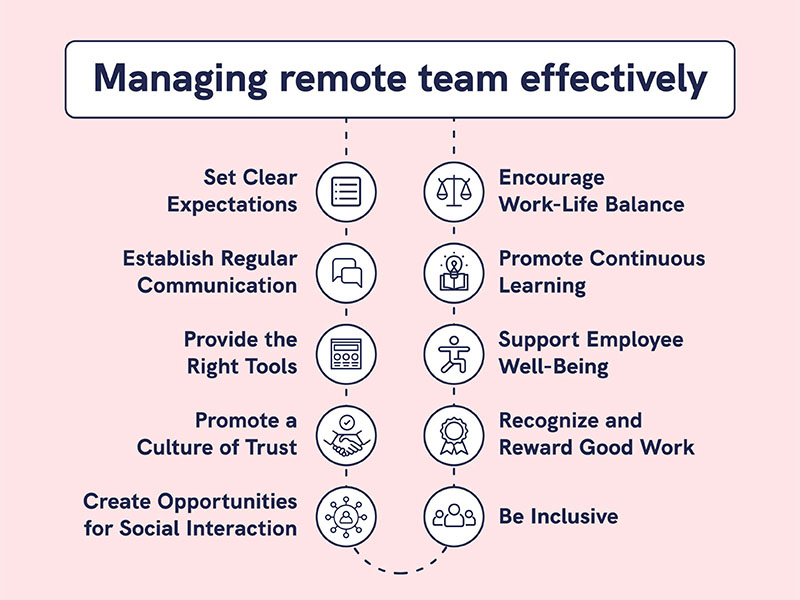
One of the cornerstones of successful remote leadership is the establishment of trust and effective communication within the team. When team members are physically distant from each other, it’s essential to foster an environment where everyone feels connected and supported. Regular communication through video calls, emails, and instant messaging platforms can help bridge the gap and ensure that everyone remains aligned with the team’s goals and objectives.
Setting Clear Expectations
Clear communication goes hand in hand with setting clear expectations for remote team members. Leaders should define roles and responsibilities upfront, outlining specific tasks, deadlines, and deliverables. By providing clarity on what is expected from each team member, leaders can minimize confusion and ensure that everyone is working towards a common goal. Regular check-ins and progress updates can help keep everyone on track and accountable for their actions.
Cultivating a Culture of Collaboration
Despite the physical distance, remote teams can still foster a culture of collaboration and teamwork. Leaders should encourage open communication and create opportunities for team members to share ideas, provide feedback, and collaborate on projects. Virtual team-building activities, brainstorming sessions, and collaborative tools can help facilitate interaction and strengthen bonds within the team.
Emphasizing Flexibility and Adaptability
In a remote work environment, flexibility and adaptability are essential qualities for both leaders and team members. Unexpected challenges and disruptions are bound to arise, whether it’s technological issues, personal emergencies, or global events. Leaders should be prepared to adjust their strategies and support their team members through periods of uncertainty. Flexibility in work schedules, deadlines, and communication methods can help accommodate individual needs and preferences.
Promoting Work-Life Balance
Remote work offers the flexibility to work from anywhere, but it can also blur the lines between work and personal life. Leaders play a crucial role in promoting work-life balance and preventing burnout among remote team members. Encouraging regular breaks, setting boundaries around work hours, and offering support for personal well-being can help maintain morale and productivity over the long term.
Investing in Technology and Infrastructure
Effective remote leadership relies heavily on technology and infrastructure to facilitate communication, collaboration, and productivity. Investing in reliable tools and platforms for video conferencing, project management, and document sharing is essential for keeping remote teams connected and organized. Leaders should stay informed about the latest developments in remote work technology and continuously evaluate and upgrade their toolkit to meet the evolving needs of their team.
Providing Ongoing Support and Recognition
Last but not least, remote team members need ongoing support and recognition from their leaders to stay motivated and engaged. Regular feedback, praise for


