

Neezh
- Fashion & Shopping
- November 23, 2025
- 405 views
Gender Fluid Fashion in Global Modern Industry
The fashion world is constantly evolving, reflecting societal shifts and challenging traditional norms. One of the most significant and exciting movements in recent years is the rise of Gender Fluid Fashion. This trend transcends simple androgyny; it’s about creating clothing and styles that can be worn by anyone, regardless of their gender identity or expression. It’s about freedom, self-expression, and dismantling outdated stereotypes within the global fashion industry.

Key Takeaways:
- Gender Fluid Fashion is about breaking down traditional gender norms in clothing.
- The global fashion industry is increasingly embracing inclusivity through adaptable designs.
- Consumers are seeking brands that represent and celebrate diverse identities.
- The movement encourages self-expression and individual style.
The Definition of Gender Fluid Fashion
Gender Fluid Fashion isn’t just about unisex clothing. It’s a more nuanced concept that acknowledges the fluidity of gender identity. It encompasses clothing designed to be adaptable and wearable by people of all genders. This often involves silhouettes that aren’t strictly masculine or feminine, fabrics that drape and move in ways that suit various body types, and colors that break free from traditional associations. This definition encourages us to think beyond binary categories and embrace a more inclusive and expressive approach to personal style. It’s about empowering individuals to choose clothing that makes them feel authentic and confident, irrespective of societal expectations. The focus is shifted from gender conformity to personal expression and comfort.
The Impact of Gender Fluid Fashion on Global Industry
The impact of Gender Fluid Fashion is rippling across the global fashion industry. From high-end designers to fast-fashion retailers, brands are beginning to recognize the demand for more inclusive and adaptable clothing options. This shift is driven by several factors, including increased awareness of gender identity and expression, a growing desire for self-expression among consumers, and a recognition that traditional gender roles are becoming increasingly irrelevant. Designers are experimenting with new silhouettes, fabrics, and colors, while retailers are creating more inclusive shopping experiences. Celebrities and influencers are also playing a key role in popularizing Gender Fluid Fashion, showcasing adaptable styles on red carpets and social media. This visibility helps to normalize the concept and encourage more people to embrace it. It’s not just a fleeting trend; it’s a fundamental shift in how the industry approaches design, marketing, and representation.
Challenges and Opportunities within Gender Fluid Fashion
While the rise of Gender Fluid Fashion is undoubtedly positive, there are still challenges to overcome. One of the biggest hurdles is overcoming the ingrained biases and stereotypes that exist within the industry. Many designers and retailers are still unsure how to create and market clothing that is truly inclusive and adaptable. There is also the risk of tokenism, where brands simply add a few non-binary items to their collections without making a genuine commitment to inclusivity. However, these challenges also present significant opportunities. Brands that genuinely embrace Gender Fluid Fashion and create inclusive designs can tap into a growing market of consumers who are seeking authentic and representative clothing options. There is
- Product Marketing
- April 23, 2024
- 374 views
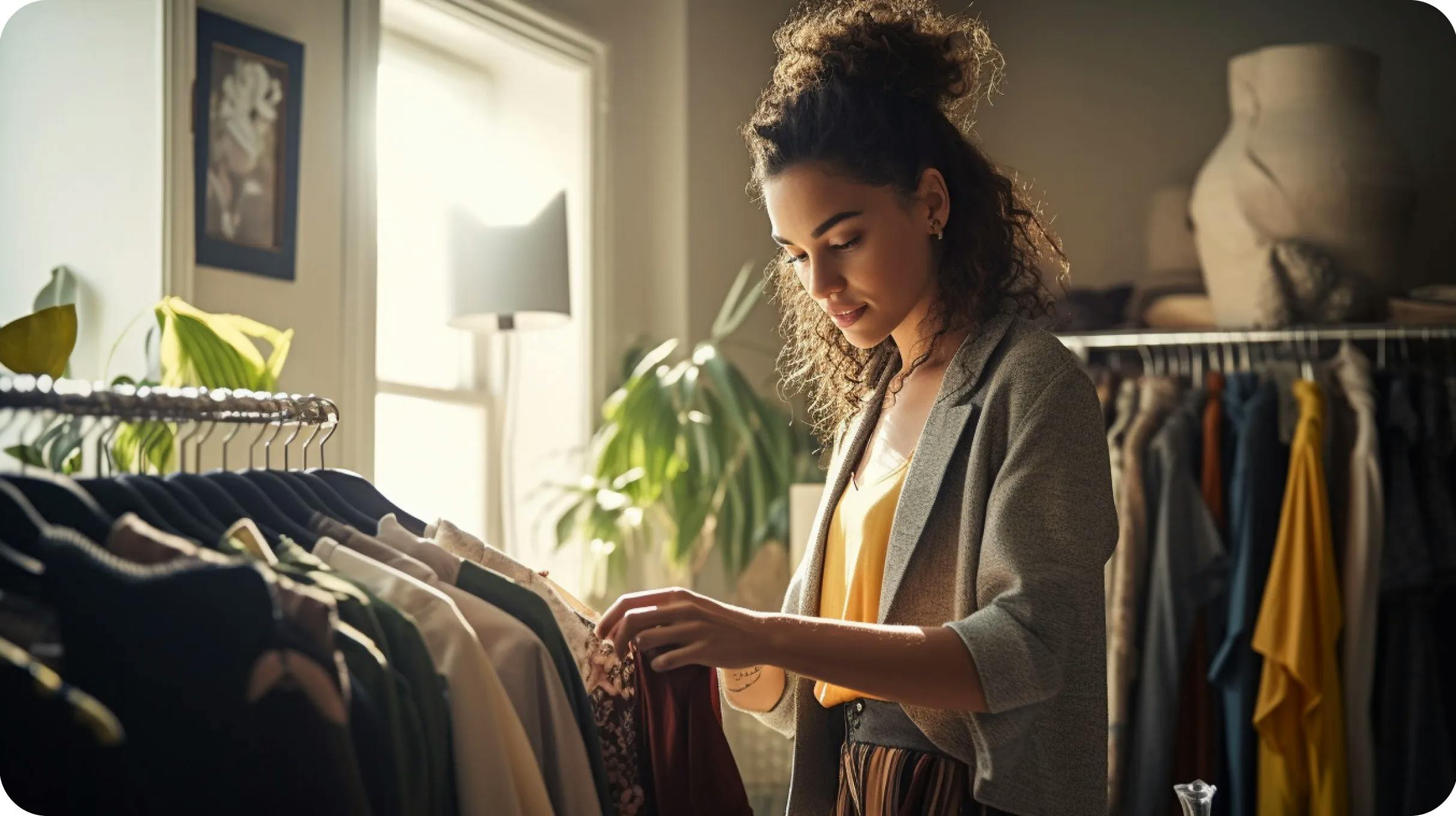
Small Clothing Business Tips Your Path to Fashion Success
Tips for Starting a Small Clothing Business: Fashioning Your Path to Success
So, you’ve always had a flair for fashion, a keen eye for style, and a closet full of creative ideas. Starting a small clothing business might just be the perfect opportunity to turn your passion into a profitable venture. But before you start sketching designs and picking fabrics, let’s dive into some essential tips to help you launch and grow your fashion dream into a successful clothing brand.
Defining Your Fashion Niche
The fashion industry is vast and diverse, so it’s essential to define your niche. What type of clothing will you specialize in? Are you drawn to casual wear, formal attire, athleisure, or perhaps sustainable fashion? Identify your target audience and unique selling proposition. This clarity will guide your designs, marketing, and branding efforts.
Researching the Fashion Market
Before diving headfirst into the fashion world, research is your best friend. Study current fashion trends, market demands, and competitor brands. Analyze consumer preferences, price points, and distribution channels. This groundwork will help you identify gaps in the market and tailor your offerings to meet customer needs.
Creating a Strong Brand Identity
Your brand is more than just a logo – it’s the personality and story behind your clothing line. Develop a strong brand identity that reflects your values, aesthetics, and target audience. Choose a memorable brand name, design a captivating logo, and craft a compelling brand story. Consistency is key across all your branding elements.
Designing Your Clothing Line
Now comes the fun part – bringing your fashion vision to life. Sketch out your designs, select fabrics, and create prototypes. Ensure your designs are not only stylish but also practical and marketable. Consider factors such as fabric quality, sizing options, and production costs. Don’t be afraid to experiment with colors, patterns, and silhouettes to stand out in the crowded fashion market.
Finding Reliable Clothing Manufacturers
Unless you’re planning to sew each piece by hand (which, let’s face it, is not scalable), you’ll need to partner with clothing manufacturers. Research and vet potential manufacturers based on their expertise, quality standards, production capacity, and ethical practices. Request samples, negotiate pricing, and establish clear communication channels for a smooth production process.
Setting Up Your Online Store
In today’s digital age, an online presence is crucial for any clothing business. Set up an e-commerce website to showcase your collection, provide product details, and facilitate online sales. Choose a user-friendly platform, optimize your website for mobile devices, and ensure seamless checkout and payment options. Invest in high-quality product photography to showcase your clothing in the best light.
Harnessing the Power of Social Media
Social media is a powerful tool for promoting your clothing brand and engaging with your target audience. Create captivating content, such as lookbook photoshoots, behind-the-scenes glimpses, and style guides. Utilize platforms like Instagram, Facebook, Pinterest, and TikTok to showcase your designs, run promotions, and interact with potential customers. Build a loyal following by sharing valuable fashion tips and trends.
Marketing


