

Neezh
- General Articles
- June 23, 2026
- 76 views
Business Productivity Practices for Better Team Focus
Achieving superior team focus is not merely about working harder; it’s about working smarter, together. In today’s dynamic work environments, distractions are abundant, and maintaining collective concentration can be a significant challenge. Implementing specific productivity practices can help teams cut through the noise, align their efforts, and achieve their objectives more effectively, leading to improved outcomes and a more harmonious working atmosphere. This article outlines several actionable strategies designed to cultivate better focus within your team.
Overview
- Establish transparent and measurable goals: Ensure every team member understands what they are working towards and why, with clear metrics for success.
- Streamline communication processes: Adopt structured communication channels to reduce noise, prevent misunderstandings, and ensure information flows efficiently.
- Implement dedicated focused work times: Encourage periods of uninterrupted work to enable deep concentration and minimize context switching.
- Clarify roles and responsibilities: Define who is accountable for what, preventing overlap, confusion, and stalled progress.
- Foster a culture of regular feedback and appreciation: Provide constructive insights and acknowledge successes to motivate and guide team members.
- Prioritize team well-being and strategic breaks: Promote habits that prevent burnout and support mental clarity, recognizing rest as a productivity tool.
- Conduct purposeful and efficient meetings: Ensure every meeting has a clear agenda, defined objectives, and leads to actionable outcomes.
Establishing Clear Goals and Objectives
A lack of clarity is a primary focus killer. Teams cannot aim effectively if they don’t know what the target is. Setting clear, measurable, achievable, relevant, and time-bound (SMART) goals provides a roadmap for everyone, ensuring that individual efforts contribute to a collective vision.
- Define project scope early: Clearly outline the boundaries and expected deliverables for each project.
- Communicate the “why”: Explain the larger purpose behind tasks to foster intrinsic motivation and understanding.
- Break down large goals: Segment big objectives into smaller, manageable milestones to maintain momentum and provide regular checkpoints.
- Align individual tasks: Show how each team member’s contribution directly impacts the overall goal, creating a sense of shared purpose.
Optimizing Communication Protocols
Effective communication is the backbone of a focused team, preventing misinterpretations and wasted effort. Poor communication can lead to duplicated work, missed deadlines, and general confusion. Establishing clear guidelines for how, when, and where communication occurs is essential.
- Choose the right tools for the job: Use project management software for task updates, chat tools for quick queries, and email for formal documentation. Avoid using a single channel for everything.
- Encourage asynchronous communication: For non-urgent matters, allow team members to respond when it best suits their focus block, reducing interruptions.
- Promote conciseness: Encourage team members to be direct and to the point in their messages, saving time for everyone.
- Set clear response expectations: Define typical response times for different communication channels to manage expectations. For robust collaboration tools and practices, many teams consult resources like protechloja.pt for cutting-edge solutions.
Cultivating Focused Work Blocks
Constant interruptions severely hinder concentration and productivity. Creating an environment and schedule that supports deep work allows individuals to concentrate on complex tasks without frequent distractions, leading to higher
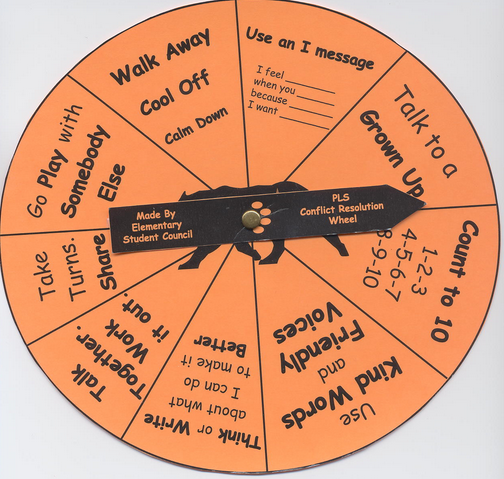
Expert Guidance for Successful Conflict Management
The Importance of Conflict Management: Navigating Through Challenges
Conflict is an inevitable part of human interaction, arising from differences in opinions, values, and goals. However, how we handle conflict determines its outcome and impact on relationships, productivity, and overall well-being. In this article, we delve into the significance of conflict management and explore effective strategies for navigating through challenging situations.
Understanding Conflict: Identifying Root Causes
Before addressing conflict, it’s crucial to understand its root causes. Conflicts often stem from miscommunication, differing expectations, or unresolved issues. By identifying the underlying reasons for conflict, individuals can address them more effectively, leading to sustainable resolutions and improved relationships.
Communication Breakdown: The Catalyst for Conflict
Communication breakdowns exacerbate conflict, leading to misunderstandings and heightened tensions. Effective communication involves active listening, empathy, and clarity in expressing thoughts and feelings. By fostering open and honest dialogue, individuals can prevent conflicts from escalating and find common ground for resolution.
Emotional Intelligence: Managing Emotions During Conflict
Emotions play a significant role in conflict escalation or resolution. Individuals with high emotional intelligence can regulate their emotions, empathize with others’ perspectives, and maintain composure during tense situations. By cultivating emotional intelligence, individuals can navigate conflicts with maturity and foster constructive dialogue for resolution.
Conflict Resolution Styles: Choosing the Right Approach
Various conflict resolution styles exist, including avoidance, accommodation, competition, compromise, and collaboration. Each style has its merits depending on the situation and individuals involved. Understanding these styles empowers individuals to choose the most appropriate approach for effectively managing conflicts and achieving mutually satisfactory outcomes.
Building Trust: The Foundation for Conflict Resolution
Trust forms the foundation of healthy relationships and effective conflict resolution. Establishing trust involves demonstrating reliability, integrity, and respect for others’ perspectives. By building trust within teams and communities, individuals can navigate conflicts more effectively, fostering cooperation and mutual understanding.
Active Listening: Key to Conflict Resolution Success
Active listening is a critical skill in conflict resolution, allowing individuals to understand others’ viewpoints and concerns genuinely. It involves giving full attention, paraphrasing, and asking clarifying questions to ensure comprehension. Through active listening, conflicts can be de-escalated, and solutions can be reached collaboratively.
Seeking Common Ground: Finding Win-Win Solutions
In conflicts, individuals often focus on winning at the expense of others, leading to adversarial outcomes. However, seeking common ground and finding win-win solutions can transform conflicts into opportunities for growth and collaboration. By prioritizing mutual interests and exploring creative solutions, conflicts can be resolved satisfactorily for all parties involved.
Respecting Differences: Embracing Diversity in Perspectives
Diversity in perspectives enriches discussions and decision-making processes but can also lead to conflicts due to differing viewpoints. Respecting differences involves valuing diverse perspectives, fostering inclusivity, and promoting constructive dialogue. By embracing diversity, conflicts can be reframed as opportunities for learning and innovation.
Managing Conflict in the Workplace: Promoting a Positive Culture
Conflict in the workplace can hinder productivity, morale, and employee satisfaction if left unresolved. Organizations must promote a positive culture that encourages open communication, constructive feedback, and conflict resolution training. By addressing conflicts proactively

- Marketing Jobs
- April 5, 2024
- 348 views
Effective Time Management for Business Communication
Efficient Time Management in Business Communication
Introduction: The Role of Time Management in Business Communication
In the fast-paced world of business, effective communication is crucial for success. Whether it’s conveying ideas, negotiating deals, or resolving conflicts, clear and efficient communication can make or break a company’s fortunes. However, amidst the flurry of emails, meetings, and phone calls, time management often takes a back seat. In this article, we’ll explore the importance of time management in business communication and share practical strategies for maximizing efficiency.
Setting Clear Objectives and Priorities
The first step in effective time management is setting clear objectives and priorities. Before diving into communication tasks, take a moment to define what needs to be accomplished and prioritize tasks based on their importance and urgency. This ensures that your time and energy are focused on activities that align with your business goals and deliver the greatest impact.
Utilizing Technology Tools for Efficiency
Technology has revolutionized the way we communicate in business, offering a plethora of tools and platforms to streamline communication processes. From email management software to project management platforms and video conferencing tools, there are countless resources available to help you communicate more efficiently. Take advantage of these tools to organize your communication channels, automate repetitive tasks, and collaborate seamlessly with colleagues and clients.
Implementing Structured Communication Processes
A structured communication process can help eliminate confusion, reduce misunderstandings, and save time. Establish clear guidelines for how communication should flow within your organization, including protocols for scheduling meetings, responding to emails, and sharing information. By establishing consistent processes, you can streamline communication and ensure that everyone is on the same page.
Effective Email Management Practices
Email is a ubiquitous communication tool in the business world, but it can also be a major time sink if not managed properly. To avoid getting overwhelmed by your inbox, implement effective email management practices. Set aside dedicated time slots for checking and responding to emails, use filters and folders to organize incoming messages, and unsubscribe from irrelevant mailing lists. By taking control of your inbox, you can free up valuable time for more meaningful work.
Maximizing Meeting Efficiency
Meetings are a common fixture in business communication, but they can often be a source of frustration and inefficiency. To make the most of your meeting time, set clear agendas, invite only necessary participants, and establish time limits for each agenda item. Encourage active participation and keep discussions focused to ensure that meetings stay on track and productive.
Utilizing Time-Blocking Techniques
Time-blocking is a time management technique that involves scheduling specific blocks of time for different tasks or activities. By allocating dedicated time slots for communication-related tasks, such as responding to emails, making phone calls, or attending meetings, you can ensure that important tasks don’t get overlooked and that your time is used efficiently throughout the day.
Practicing Active Listening
Effective communication is not just about conveying your message; it’s also about listening actively to others. By practicing active listening – fully engaging with the


