

Neezh
- Content Marketing
- May 16, 2024
- 421 views
Effective Delegation Empower Your Team for Success
Effective Delegation: Empower Your Team for Success In the fast-paced world of business, effective delegation is more than just a convenience; it’s a strategic necessity. Delegating tasks empowers your team members, allowing them to develop new skills, take ownership of their work, and ultimately contribute to the overall success of your organization. However, mastering the art of delegation requires finesse and careful planning. Clear Communication: Key to Strong Team Management At the heart of effective delegation lies clear communication. As a manager, it’s crucial to clearly articulate your expectations, provide necessary resources, and establish deadlines. Additionally, fostering an environment where team members feel comfortable asking questions and seeking clarification promotes transparency and reduces the likelihood of misunderstandings. Prioritize Tasks: Mastering Time Management Skills Successful delegation also hinges on the ability to prioritize tasks. Not all tasks are created equal, and it’s essential to identify which ones require your immediate attention and which can be delegated to others. By strategically allocating resources and time, you can ensure that your team remains focused on high-priority initiatives that drive results. Build Trust: Foundation of Positive Leadership Trust is the cornerstone of effective delegation. When team members trust in your leadership abilities and competence, they are more likely to accept delegated tasks with confidence. Cultivating trust involves demonstrating integrity, consistency, and a genuine concern for the well-being and success of your team. Conflict Resolution: Strategies for Harmonious Workplaces Even with the best-laid plans, conflicts may arise when delegating tasks. As a manager, it’s essential to address conflicts promptly and constructively. Active listening, empathy, and a willingness to compromise can help diffuse tensions and foster a collaborative environment where conflicts are viewed as opportunities for growth. Feedback Culture: Nurturing Growth and Development Providing regular feedback is vital to the success of any delegation effort. Acknowledge your team members’ achievements, offer constructive criticism when necessary, and provide guidance and support as they navigate new challenges. By fostering a culture of continuous feedback, you empower your team to learn and grow from their experiences. Adaptability: Leading Through Change and Uncertainty In today’s dynamic business landscape, adaptability is a non-negotiable trait for effective managers. As circumstances evolve and priorities shift, be prepared to adjust your delegation strategy accordingly. Flexibility, resilience, and a willingness to embrace change are essential qualities that will enable you to navigate uncertainty with confidence. Decision-Making: Balancing Rationality and Intuition Effective delegation requires sound decision-making skills. Analyze available information, weigh the potential risks and rewards, and trust your instincts when making tough calls. Striking a balance between rational analysis and intuitive judgment allows you to make informed decisions that align with your team’s goals and objectives. Goal Setting: Guiding Your Team Towards Achievement Setting clear and measurable goals is a fundamental aspect of effective delegation. Work with your team to establish SMART (Specific, Measurable, Achievable, Relevant, Time-bound) goals that provide direction and motivation. Regularly review progress, celebrate milestones, and recalibrate goals as needed to ensure continued success. Emotional Intelligence: The Heart of Effective Leadership Emotional

Strategies for Senior Managers to Lead Effectively
As a senior manager, the responsibilities and challenges you face are unique. To excel in your role and lead your team to success, here are some invaluable tips and strategies to consider. In the fast-paced world of business, staying stagnant is not an option. As a senior manager, make it a priority to engage in continuous learning. Stay updated on industry trends, management techniques, and leadership best practices. This will not only keep you ahead of the curve but also inspire your team with your knowledge and insights. Effective communication is the cornerstone of successful leadership. Create an environment where team members feel comfortable sharing ideas, concerns, and feedback. Encourage open dialogue in meetings, one-on-one discussions, and through digital communication channels. By fostering a culture of transparency and collaboration, you’ll build a stronger, more engaged team. As a senior manager, your actions speak louder than words. Demonstrate the values and behaviors you expect from your team members. Whether it’s showing integrity in decision-making, embracing innovation, or prioritizing work-life balance, lead by example. Your team will look to you for guidance and inspiration, so set the bar high. Delegation is a critical skill for senior managers. Recognize that you can’t do everything yourself and trust your team members to handle tasks and projects. Delegate responsibilities based on each team member’s strengths and expertise, and provide clear instructions and expectations. This not only empowers your team but also frees up your time to focus on strategic initiatives. Investing in your team’s professional development is a win-win for everyone. Identify areas where team members can grow and provide opportunities for training, mentoring, and skill-building. Encourage cross-functional collaboration and create a culture of continuous learning within your team. When your team members thrive, so does the overall success of your department. In today’s dynamic business landscape, change is inevitable. As a senior manager, it’s crucial to stay agile and adapt quickly to shifting market conditions, customer preferences, and technological advancements. Be proactive in identifying potential disruptions and lead your team through transitions with confidence and resilience. Encourage a culture of innovation within your team by valuing creativity and out-of-the-box thinking. Create opportunities for brainstorming sessions, idea-sharing, and experimentation. Recognize and celebrate innovative solutions and initiatives, and empower your team to take calculated risks. Innovation is often the key to staying ahead of the competition. Senior managers often face immense pressure to deliver results, which can lead to burnout if not managed properly. Make it a priority to model and promote a healthy work-life balance within your team. Encourage time off, flexible work arrangements, and wellness initiatives. When your team feels supported and balanced, they’ll be more engaged, productive, and loyal. Effective leadership is built on trust and strong relationships. Take the time to get to know your team members on Embrace Continuous Learning
Foster a Culture of Open Communication
Lead by Example
Delegate Effectively
Develop Your Team’s Skills
Stay Agile and Adapt to Change
Foster Innovation and Creativity
Prioritize Work-Life Balance
Build Strong Relationships

- Advertisement
- April 17, 2024
- 374 views
Mastering Delegation Essential Tips for Effective Leadership
Maximizing Efficiency: The Art of Delegating Work Effectively Understanding the Importance of Delegation In the realm of leadership, effective delegation stands as a cornerstone for success. It is not merely about assigning tasks but strategically distributing responsibilities to optimize productivity and leverage the strengths of the team. Understanding the importance of delegation is crucial for leaders aiming to streamline workflows and achieve collective goals. Identifying Tasks for Delegation A key aspect of effective delegation is identifying the right tasks to delegate. Leaders should assess each task based on factors such as complexity, urgency, and the skill set of team members. Tasks that are routine, time-consuming, or fall outside the leader’s expertise are ideal candidates for delegation. By delegating such tasks, leaders free up valuable time to focus on high-priority activities and strategic decision-making. Setting Clear Expectations Clear communication is essential when delegating tasks to team members. Leaders must articulate clear expectations regarding the scope of work, deadlines, and desired outcomes. Providing detailed instructions and guidelines empowers team members to execute tasks with confidence and autonomy. Additionally, leaders should be available to answer questions and provide support as needed, ensuring that delegated tasks are completed successfully. Empowering Team Members Effective delegation goes beyond task assignment; it involves empowering team members to take ownership of their responsibilities. Leaders should foster a culture of trust and accountability, where team members feel empowered to make decisions and take initiative. Empowering team members not only enhances productivity but also cultivates a sense of ownership and commitment towards achieving shared goals. Providing Necessary Resources To ensure the success of delegated tasks, leaders must provide team members with the necessary resources and support. This may include access to tools, technology, training, and mentorship. By equipping team members with the resources they need to excel, leaders set them up for success and foster a culture of continuous learning and development. Encouraging Feedback and Collaboration Effective delegation is a two-way street that involves open communication and collaboration. Leaders should encourage team members to provide feedback on delegated tasks, including any challenges or suggestions for improvement. Additionally, fostering collaboration among team members encourages knowledge sharing and innovation, leading to better outcomes and a stronger sense of camaraderie. Monitoring Progress and Providing Guidance While delegation involves entrusting tasks to others, leaders must maintain oversight to ensure progress and quality standards are met. Regular check-ins allow leaders to monitor the progress of delegated tasks, provide guidance or clarification as needed, and address any obstacles or concerns that may arise. This proactive approach ensures that delegated tasks stay on track and align with the overall objectives of the team. Recognizing and Celebrating Achievements Acknowledging the contributions of team members is essential for fostering a positive work environment and maintaining morale. Leaders should recognize and celebrate the achievements of individuals who excel in delegated tasks, whether through formal recognition programs, verbal praise, or small tokens of appreciation. By acknowledging their efforts and accomplishments, leaders motivate team members to continue performing at their best and
Mastering Time Techniques for Effective Managerial Control
Introduction: Setting Clear Priorities: Delegating Tasks: Utilizing Time Blocking: Implementing the Eisenhower Matrix: Utilizing Technology Tools: Practicing Effective Communication: Strategic Planning and Goal Setting:
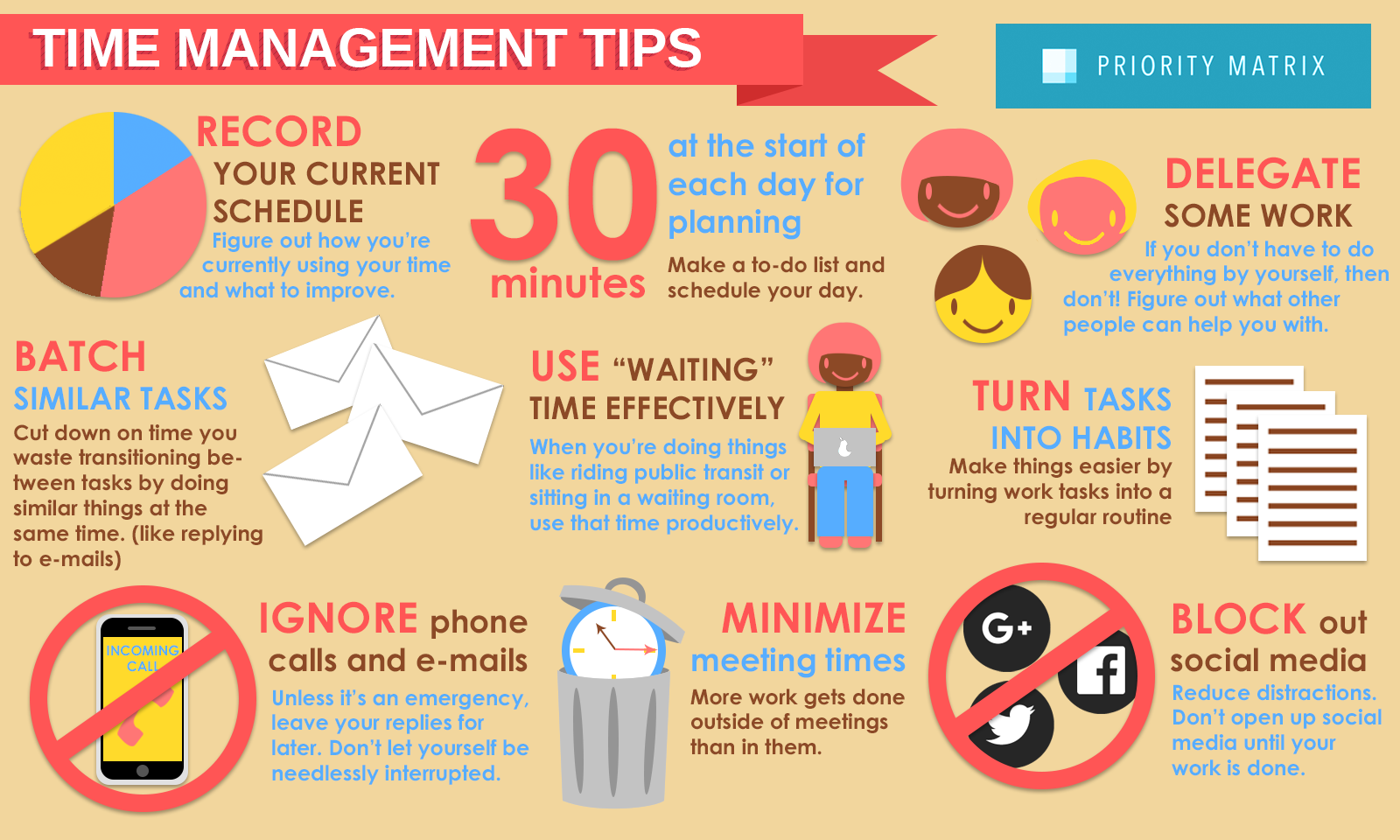
In the realm of management, time is a precious commodity. Managers are tasked with overseeing teams, projects, and operations, often facing tight deadlines and competing priorities. To navigate these challenges successfully, effective time management techniques are essential. Let’s explore some strategies that managers can implement to optimize their time and enhance their productivity.
As a manager, it’s crucial to set clear priorities to ensure that your time is allocated effectively. Identify tasks and projects that align with organizational goals and have the greatest impact on success. By prioritizing tasks based on importance and urgency, you can focus your energy on high-value activities that drive results.
Effective delegation is a key skill for managers seeking to manage their time efficiently. Identify tasks that can be delegated to members of your team, taking into account each individual’s strengths and skill sets. Delegating responsibilities not only frees up your time for more strategic initiatives but also empowers team members to develop their skills and contribute to the organization’s success.
Time blocking is a time management technique that involves dedicating specific blocks of time to different tasks or activities. By creating dedicated time slots for tasks such as meetings, email correspondence, and project work, managers can minimize distractions and maintain focus. Time blocking ensures that essential tasks receive the attention they deserve while preventing multitasking and reducing the risk of burnout.
The Eisenhower Matrix is a powerful tool for prioritizing tasks based on importance and urgency. By categorizing tasks into four quadrants – urgent and important, important but not urgent, urgent but not important, and neither urgent nor important – managers can make informed decisions about how to allocate their time. This framework helps managers distinguish between tasks that require immediate attention and those that can be deferred or delegated.
In today’s digital age, there is no shortage of technology tools designed to aid in time management. From project management software to task-tracking apps, managers can leverage various tools to streamline their workflows and stay organized. These tools can help managers prioritize tasks, track progress, and collaborate effectively with team members, ultimately enhancing productivity and efficiency.
Effective communication is essential for successful time management in a managerial role. Clear and transparent communication ensures that team members understand expectations, deadlines, and priorities. Regular check-ins, team meetings, and one-on-one discussions provide opportunities to align on goals, address challenges, and celebrate successes. By fostering open communication channels, managers can minimize misunderstandings and promote collaboration within their teams.
Strategic planning and goal setting are critical components of effective time management for managers. By establishing clear objectives and milestones, managers can create a roadmap for success and guide their team toward achieving desired outcomes. Break larger goals down into smaller, actionable tasks, and track progress regularly to stay on course. Strategic planning enables managers to allocate resources wisely, anticipate challenges, and adapt to changing circumstances
- Marketing Jobs
- April 13, 2024
- 310 views
Navigating Remote Waters Essential Leadership Tips
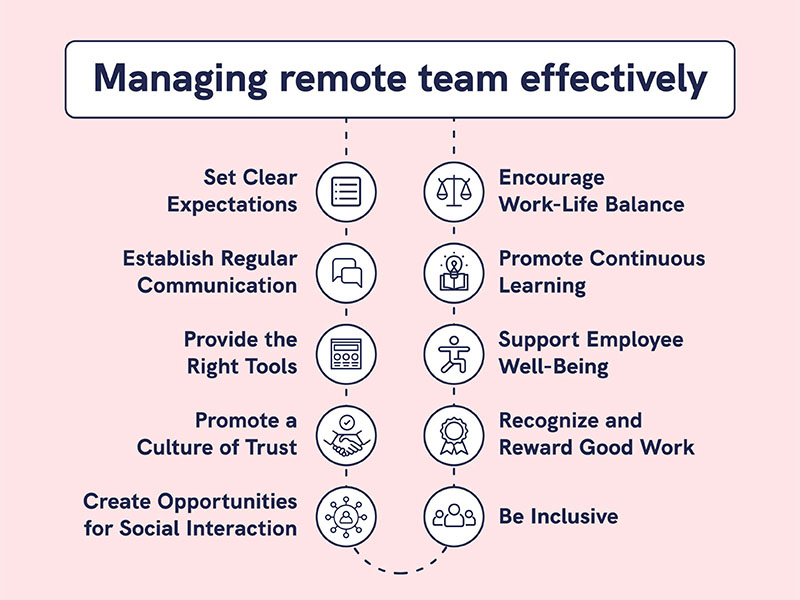
Navigating Remote Waters: Essential Leadership Tips Embracing the Remote Challenge In today’s rapidly evolving work landscape, leading remote teams has become more crucial than ever. As businesses adapt to the demands of a globalized world, the ability to effectively manage teams spread across different locations has become a key determinant of success. However, navigating the complexities of remote leadership requires a unique set of skills and strategies. Building Trust and Communication One of the cornerstones of successful remote leadership is the establishment of trust and effective communication within the team. When team members are physically distant from each other, it’s essential to foster an environment where everyone feels connected and supported. Regular communication through video calls, emails, and instant messaging platforms can help bridge the gap and ensure that everyone remains aligned with the team’s goals and objectives. Setting Clear Expectations Clear communication goes hand in hand with setting clear expectations for remote team members. Leaders should define roles and responsibilities upfront, outlining specific tasks, deadlines, and deliverables. By providing clarity on what is expected from each team member, leaders can minimize confusion and ensure that everyone is working towards a common goal. Regular check-ins and progress updates can help keep everyone on track and accountable for their actions. Cultivating a Culture of Collaboration Despite the physical distance, remote teams can still foster a culture of collaboration and teamwork. Leaders should encourage open communication and create opportunities for team members to share ideas, provide feedback, and collaborate on projects. Virtual team-building activities, brainstorming sessions, and collaborative tools can help facilitate interaction and strengthen bonds within the team. Emphasizing Flexibility and Adaptability In a remote work environment, flexibility and adaptability are essential qualities for both leaders and team members. Unexpected challenges and disruptions are bound to arise, whether it’s technological issues, personal emergencies, or global events. Leaders should be prepared to adjust their strategies and support their team members through periods of uncertainty. Flexibility in work schedules, deadlines, and communication methods can help accommodate individual needs and preferences. Promoting Work-Life Balance Remote work offers the flexibility to work from anywhere, but it can also blur the lines between work and personal life. Leaders play a crucial role in promoting work-life balance and preventing burnout among remote team members. Encouraging regular breaks, setting boundaries around work hours, and offering support for personal well-being can help maintain morale and productivity over the long term. Investing in Technology and Infrastructure Effective remote leadership relies heavily on technology and infrastructure to facilitate communication, collaboration, and productivity. Investing in reliable tools and platforms for video conferencing, project management, and document sharing is essential for keeping remote teams connected and organized. Leaders should stay informed about the latest developments in remote work technology and continuously evaluate and upgrade their toolkit to meet the evolving needs of their team. Providing Ongoing Support and Recognition Last but not least, remote team members need ongoing support and recognition from their leaders to stay motivated and engaged. Regular feedback, praise for


