

Neezh
- Marketing Jobs
- May 8, 2024
- 330 views
Boost Productivity Try the Pomodoro Technique Today
Boost Productivity: Try the Pomodoro Technique Today
Introduction:
In today’s fast-paced world, finding ways to boost productivity is crucial for success. One popular method gaining traction among professionals is the Pomodoro Technique. This time management approach has been lauded for its effectiveness in increasing focus and productivity. Let’s delve into the details and explore how you can implement this technique to enhance your efficiency and achieve your goals.
Understanding the Pomodoro Technique:
The Pomodoro Technique is a simple yet powerful time management strategy developed by Francesco Cirillo in the late 1980s. It revolves around breaking work into intervals, typically 25 minutes in length, separated by short breaks. These intervals are referred to as “Pomodoros.” After completing four Pomodoros, a longer break of around 15-30 minutes is taken. This structured approach helps to maintain focus and prevent burnout.
Getting Started with the Pomodoro Technique:
Implementing the Pomodoro Technique is straightforward. Begin by selecting a task you want to work on and set a timer for 25 minutes. During this time, focus solely on the task at hand, avoiding distractions and interruptions. Once the timer rings, take a short break of around 5 minutes to rest and recharge. Repeat this process for four Pomodoros, then take a longer break to relax and rejuvenate.
Benefits of Using the Pomodoro Technique:
One of the main advantages of the Pomodoro Technique is its ability to improve concentration. By breaking work into manageable intervals, individuals can maintain focus and avoid becoming overwhelmed by large tasks. Additionally, the frequent breaks help to prevent mental fatigue and increase productivity over time. Research has shown that taking regular breaks can lead to better overall performance and reduced stress levels.
Overcoming Common Challenges:
While the Pomodoro Technique can be highly effective, it may pose challenges for some individuals, particularly those accustomed to longer periods of uninterrupted work. It’s important to remain flexible and adjust the technique to suit your needs. For example, you can experiment with different Pomodoro lengths or adapt the intervals to match the nature of your work. Additionally, learning to recognize and minimize distractions is key to maximizing the benefits of this technique.
Tips for Maximizing Success:
To make the most of the Pomodoro Technique, consider incorporating the following tips into your routine:
- Prioritize tasks: Begin each Pomodoro session with a clear goal in mind and focus on completing high-priority tasks first.
- Set realistic goals: Break larger projects into smaller, more manageable tasks to maintain momentum and avoid feeling overwhelmed.
- Minimize distractions: Create a conducive work environment free from interruptions, and use tools such as website blockers or noise-canceling headphones to stay focused.
- Take breaks mindfully: Use break time to rest and recharge, avoiding activities that may lead to further distraction or stress.
- Track your progress: Keep a record of your Pomodoros to monitor your productivity and identify areas for improvement over time.
Conclusion:
Incorporating the Pomodoro Technique into your daily routine can be a game-changer when it comes to boosting productivity and achieving your goals. By
Mastering Time Techniques for Effective Managerial Control
Introduction:
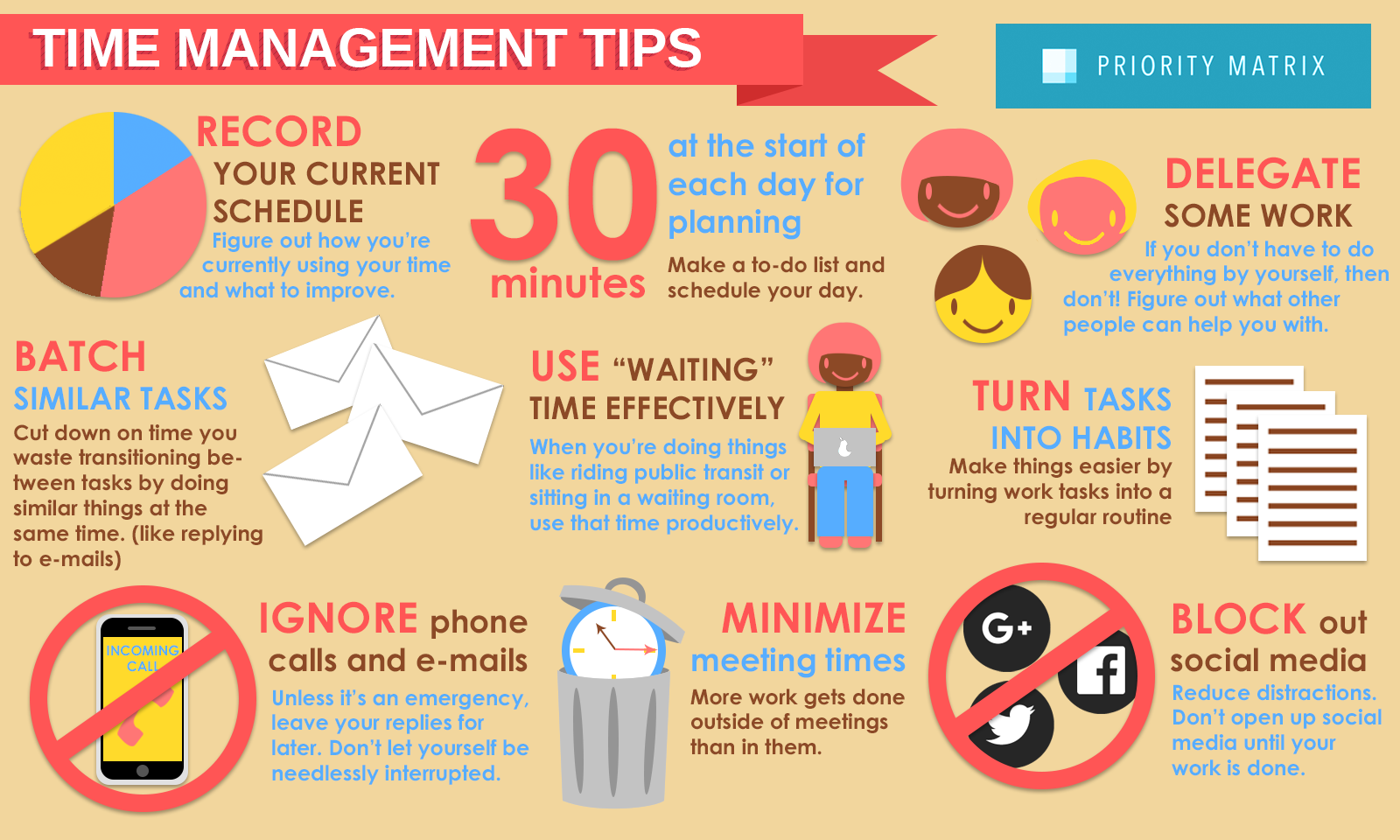
In the realm of management, time is a precious commodity. Managers are tasked with overseeing teams, projects, and operations, often facing tight deadlines and competing priorities. To navigate these challenges successfully, effective time management techniques are essential. Let’s explore some strategies that managers can implement to optimize their time and enhance their productivity.
Setting Clear Priorities:
As a manager, it’s crucial to set clear priorities to ensure that your time is allocated effectively. Identify tasks and projects that align with organizational goals and have the greatest impact on success. By prioritizing tasks based on importance and urgency, you can focus your energy on high-value activities that drive results.
Delegating Tasks:
Effective delegation is a key skill for managers seeking to manage their time efficiently. Identify tasks that can be delegated to members of your team, taking into account each individual’s strengths and skill sets. Delegating responsibilities not only frees up your time for more strategic initiatives but also empowers team members to develop their skills and contribute to the organization’s success.
Utilizing Time Blocking:
Time blocking is a time management technique that involves dedicating specific blocks of time to different tasks or activities. By creating dedicated time slots for tasks such as meetings, email correspondence, and project work, managers can minimize distractions and maintain focus. Time blocking ensures that essential tasks receive the attention they deserve while preventing multitasking and reducing the risk of burnout.
Implementing the Eisenhower Matrix:
The Eisenhower Matrix is a powerful tool for prioritizing tasks based on importance and urgency. By categorizing tasks into four quadrants – urgent and important, important but not urgent, urgent but not important, and neither urgent nor important – managers can make informed decisions about how to allocate their time. This framework helps managers distinguish between tasks that require immediate attention and those that can be deferred or delegated.
Utilizing Technology Tools:
In today’s digital age, there is no shortage of technology tools designed to aid in time management. From project management software to task-tracking apps, managers can leverage various tools to streamline their workflows and stay organized. These tools can help managers prioritize tasks, track progress, and collaborate effectively with team members, ultimately enhancing productivity and efficiency.
Practicing Effective Communication:
Effective communication is essential for successful time management in a managerial role. Clear and transparent communication ensures that team members understand expectations, deadlines, and priorities. Regular check-ins, team meetings, and one-on-one discussions provide opportunities to align on goals, address challenges, and celebrate successes. By fostering open communication channels, managers can minimize misunderstandings and promote collaboration within their teams.
Strategic Planning and Goal Setting:
Strategic planning and goal setting are critical components of effective time management for managers. By establishing clear objectives and milestones, managers can create a roadmap for success and guide their team toward achieving desired outcomes. Break larger goals down into smaller, actionable tasks, and track progress regularly to stay on course. Strategic planning enables managers to allocate resources wisely, anticipate challenges, and adapt to changing circumstances

- Email Marketing
- April 11, 2024
- 409 views
Transform Your Leadership with Effective Management
Mastering Effective Management Techniques
In the fast-paced realm of business, effective management isn’t just a desirable trait—it’s the backbone of success. From leading teams to navigating challenges, mastering effective management techniques is essential for driving results and fostering growth within any organization.
Understanding the Fundamentals
At its core, effective management is about more than just delegating tasks and overseeing projects. It requires a deep understanding of the fundamental principles that underpin successful leadership. This includes communication, decision-making, problem-solving, and the ability to inspire and motivate others.
Communication: The Cornerstone of Success
One of the most crucial aspects of effective management is communication. Clear, concise communication fosters transparency, builds trust, and ensures that everyone is on the same page. Whether it’s conveying expectations, providing feedback, or addressing concerns, effective managers prioritize open and honest communication channels.
Leading by Example
Effective managers lead by example, setting the tone for their teams through their actions and behaviors. They demonstrate integrity, accountability, and a strong work ethic, inspiring those around them to strive for excellence. By modeling the behavior they wish to see, effective managers cultivate a culture of success within their organizations.
Building Strong Relationships
Successful management is built on a foundation of strong relationships. Effective managers invest time and effort in getting to know their team members on a personal level, understanding their strengths, weaknesses, and aspirations. By fostering meaningful connections, managers can better support their employees and drive collective success.
Empowering and Developing Talent
Great managers recognize the potential in their team members and actively work to empower and develop their skills. They provide opportunities for growth, offer constructive feedback, and mentor individuals to help them reach their full potential. By investing in employee development, effective managers not only strengthen their teams but also future-proof their organizations.
Navigating Challenges with Grace
In the dynamic world of business, challenges are inevitable. Effective managers possess the resilience and adaptability to navigate these challenges with grace. Whether it’s overcoming setbacks, managing conflicts, or navigating change, they remain calm under pressure and lead their teams with confidence and determination.
Striving for Continuous Improvement
The pursuit of excellence is a hallmark of effective management. Great managers are never satisfied with the status quo; instead, they continually seek out ways to innovate, optimize processes, and drive improvement. By fostering a culture of continuous learning and growth, they ensure that their organizations remain agile and competitive in an ever-evolving marketplace.
Embracing Diversity and Inclusion
In today’s globalized world, diversity and inclusion are not just buzzwords—they’re essential components of effective management. Successful managers embrace diversity in all its forms, recognizing the value that different perspectives and backgrounds bring to the table. By fostering an inclusive workplace where every voice is heard and valued, they create environments where creativity flourishes, and innovation thrives.
Balancing Vision and Execution
Effective managers strike a delicate balance between setting a clear vision for the future and executing on the day-to-day tasks that move their organizations forward. They possess the strategic acumen to chart a


